Plaid Cymru topples Labour in Welsh Parliament breakthrough under new voting system
Plaid Cymru took the most seats in Wales, breaking Labour’s long grip as a new proportional voting system rewrote the Senedd’s power balance.
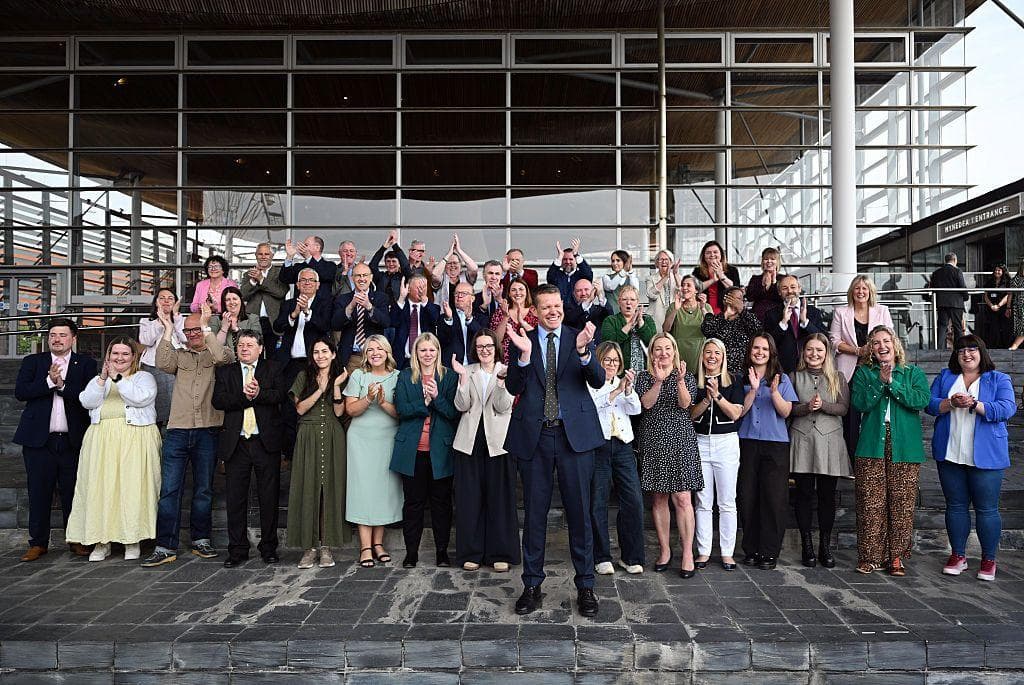
Rhun ap Iorwerth has done what Plaid Cymru spent years trying to prove possible: he pushed Labour out of first place in Wales and did it under rules designed to make the Senedd more proportional. The former journalist led Plaid to the most seats in the Welsh Parliament in the 7 May 2026 election, a result that also left Reform U.K. behind in the race for influence.
The scale of the shift matters as much as the headline. The Welsh Parliament expanded from 60 to 96 Members, Wales was divided into 16 constituencies, and each constituency elected six Members. Voters cast one vote for a political party or an independent candidate, with seats allocated by vote share. The Senedd had said the redesign was meant to produce more proportional results, and this was the first election under the new structure.
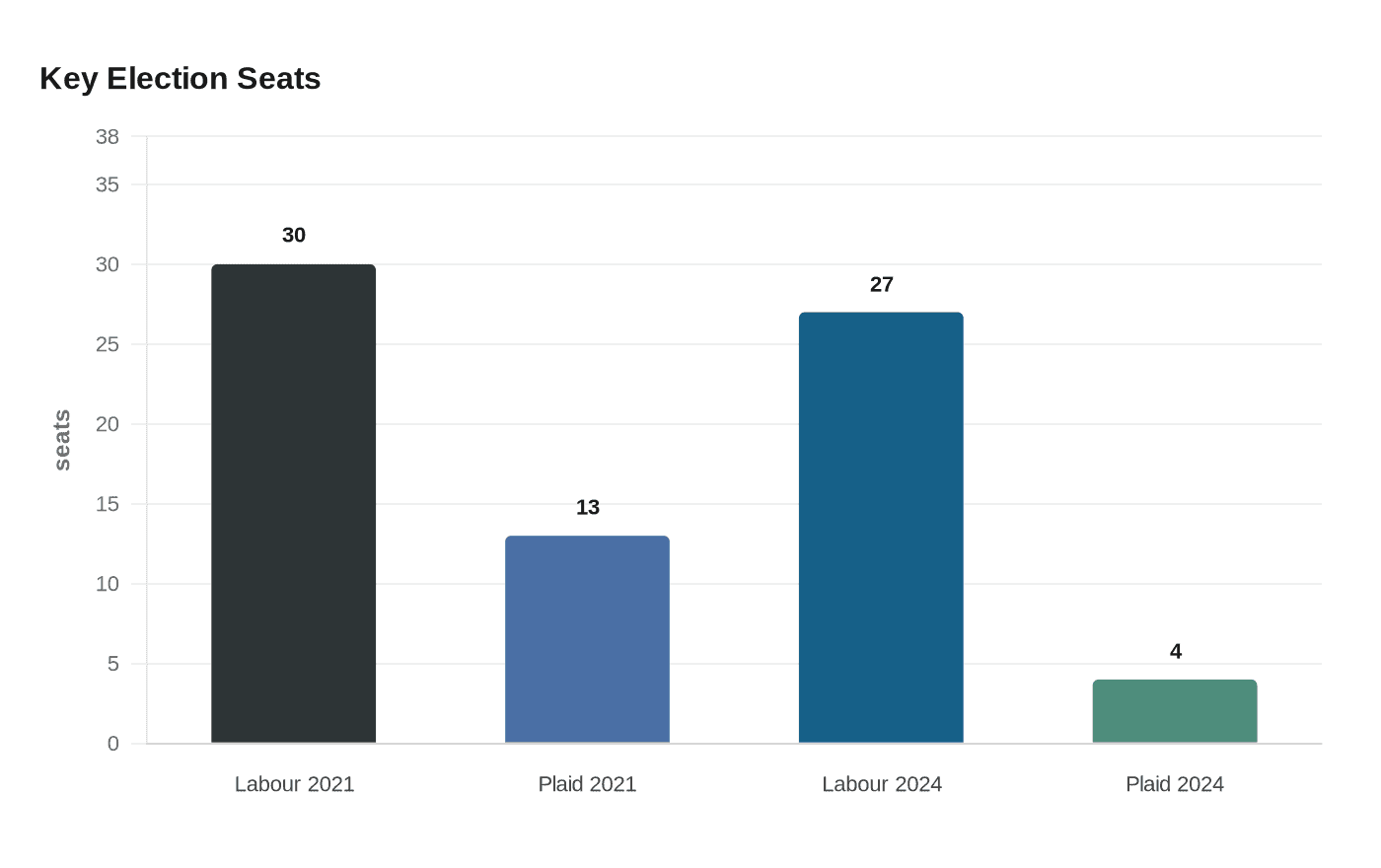
That new system gave Plaid a route to a breakthrough that would have been far harder under the old rules. Labour had won 30 of the 60 seats in the 2021 Senedd election, while Plaid Cymru took 13. Labour’s strength in Wales had also been confirmed at Westminster, where Keir Starmer’s party won 27 of Wales’s 32 seats in the 4 July 2024 UK general election. Plaid won just four Westminster seats in Wales in 2024. Against that backdrop, overtaking Labour in a nationwide Welsh contest marked a rare and consequential break in Welsh politics.
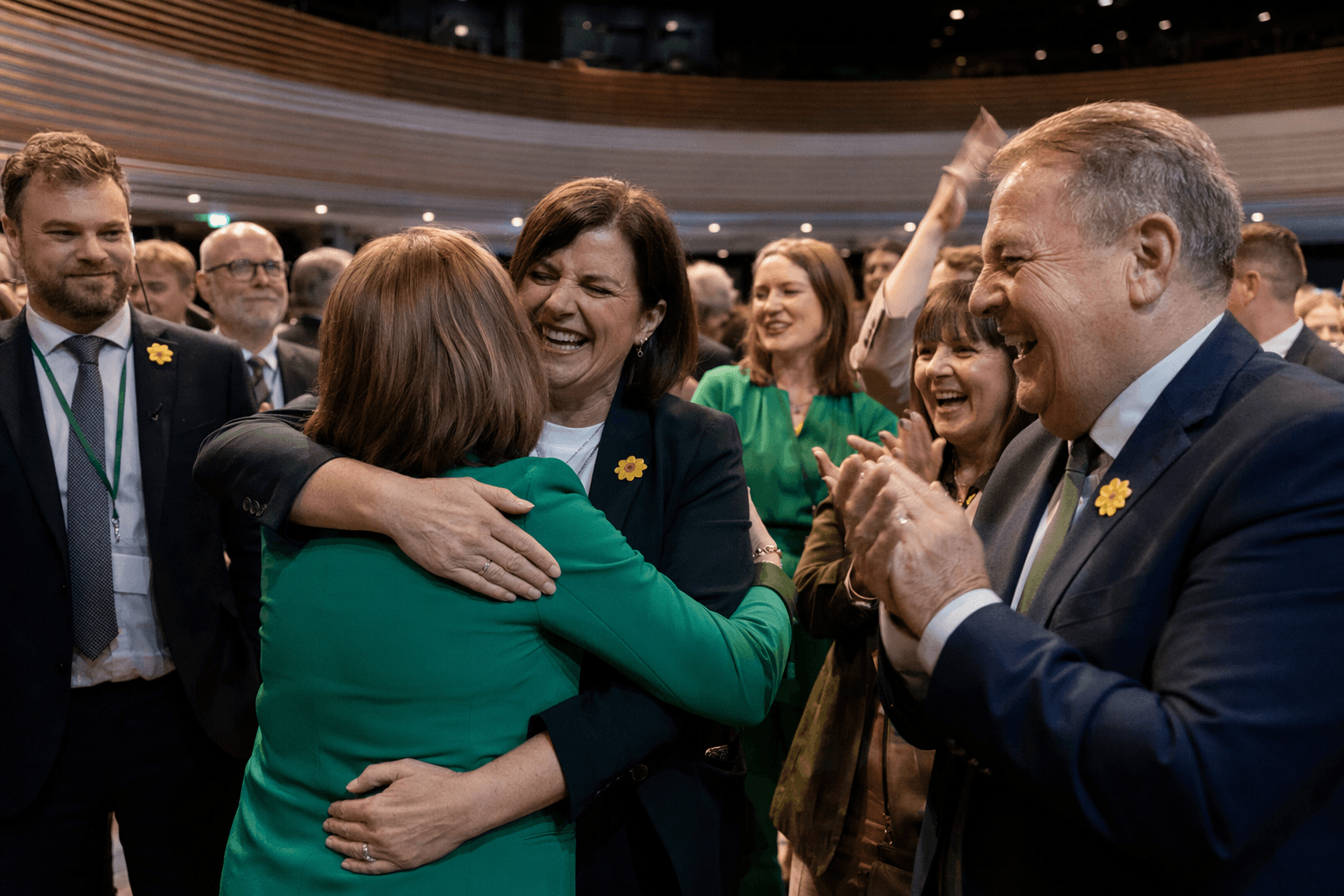
It also raised the constitutional stakes inside devolution. The next Welsh government may need coalition-building or support agreements, which gives Plaid’s seat gain immediate governing weight even without an outright majority. The result put pressure on Labour’s long-standing authority in Wales and forced a reassessment of Reform U.K.’s surge, showing that Welsh voters were not simply following Westminster patterns.
For ap Iorwerth, who became Plaid leader in 2023, the result also validated a broader strategy. He argued that the party was for everyone in Wales, not only Welsh speakers, and tried to move Plaid beyond its Welsh-speaking heartlands into industrial and south Wales areas. With Ynys Môn still central to his political identity, he has now turned a party long defined by protest and cultural nationalism into a serious contender for power. The new Senedd rules have changed the arithmetic, and with it the terms of Welsh politics for years to come.
This article was produced by Prism’s automated news system from verified source data, official records, and press releases, then run through automated quality and moderation checks before publishing. The system is built and supervised by the people who set the standards it runs under. Read our full AI policy.
Did this article answer your question?

