Starmer faces growing pressure to change course after Labour local election losses
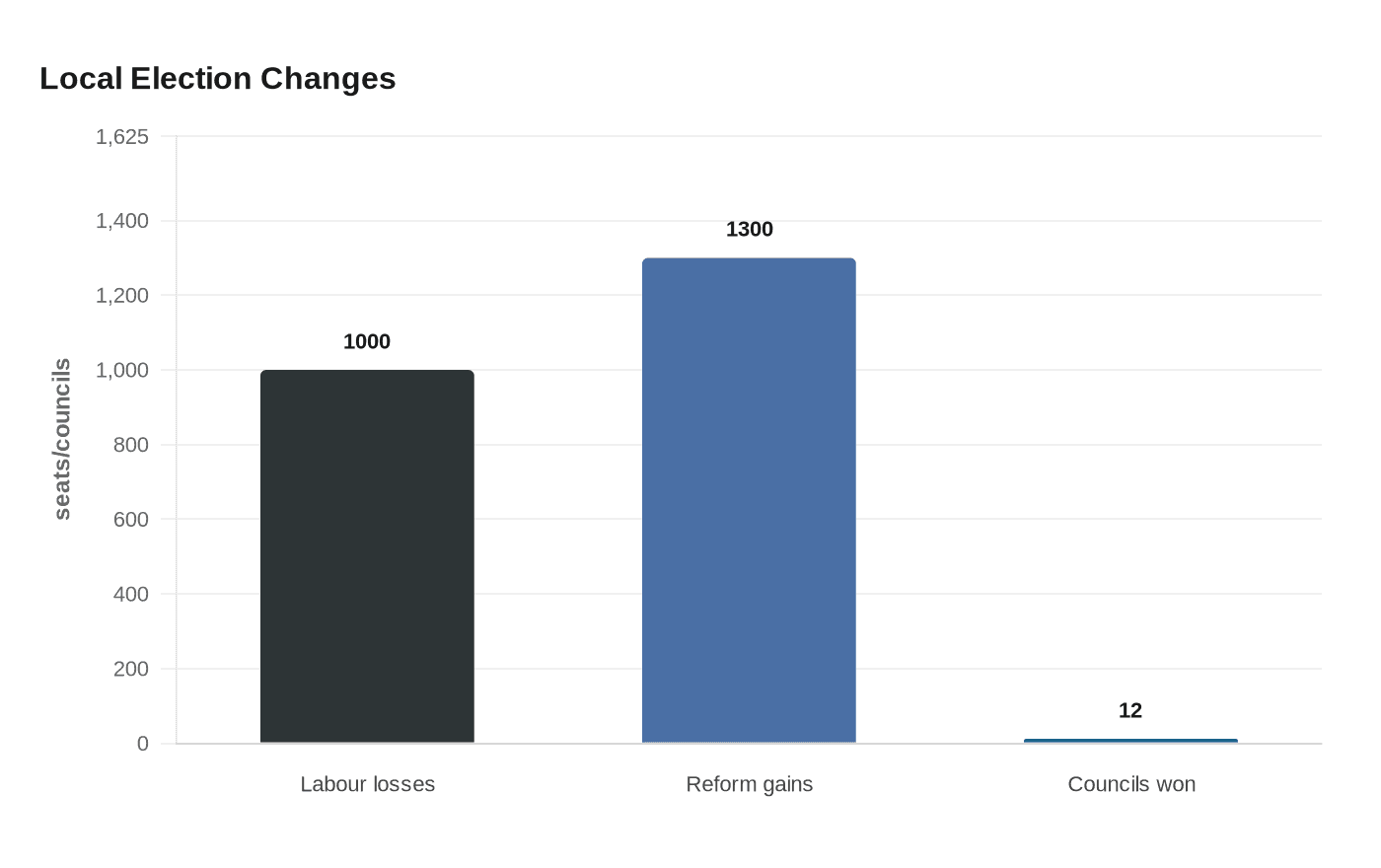
Labour lost hundreds of council seats and Reform surged past 1,300, turning May 8’s vote into a blunt verdict on Starmer’s first two years in office.
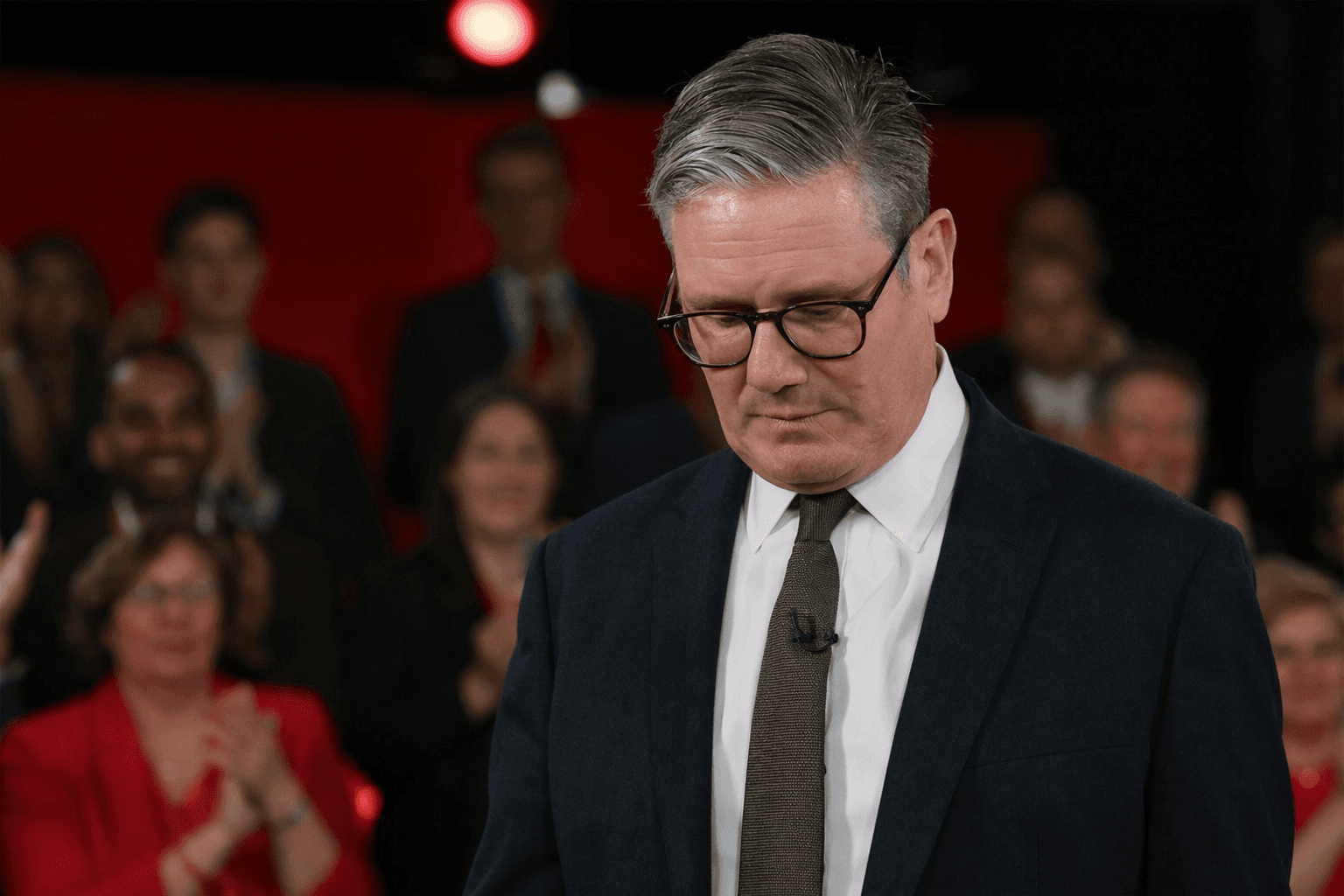
Keir Starmer is under intensifying pressure to change course after Labour’s bruising local election losses on May 8, 2026, with early tallies showing the party shedding more than 1,000 council seats as Reform UK made gains of roughly 1,300 and took control of more than a dozen councils. What was meant to be a routine local test across around 5,000 English council seats has instead been read as an unofficial referendum on Starmer’s leadership, just under two years after Labour’s landslide general election victory.
Starmer said he had “no plans to quit” and insisted he would stay in office, but he also acknowledged responsibility for the “very tough” results. That message has not stopped Labour MPs and allies from asking for a sharper reset in policy, messaging and political style. The first demand is for a clearer shift in policy direction that shows Labour understands the anger behind the vote, especially in its heartlands and in London, where the party was expected to defend ground more effectively. The second is for a cleaner message that sounds less managerial and more urgent about the cost of living, public services and delivery. The third is a political style that looks less distant and more responsive, after a campaign in which voters appeared willing to punish Labour for failing to match their expectations in government.

The scale of the backlash is striking because Labour won 411 seats in the July 4, 2024 general election and Starmer became prime minister the next day, on July 5, 2024. The House of Commons Library has said Labour’s 33.7% vote share was the lowest for any party winning a general election in the post-war period, a warning now reinforced by the local results. The losses in Wales were historic, adding to the sense that disillusion is not confined to one region or one issue.
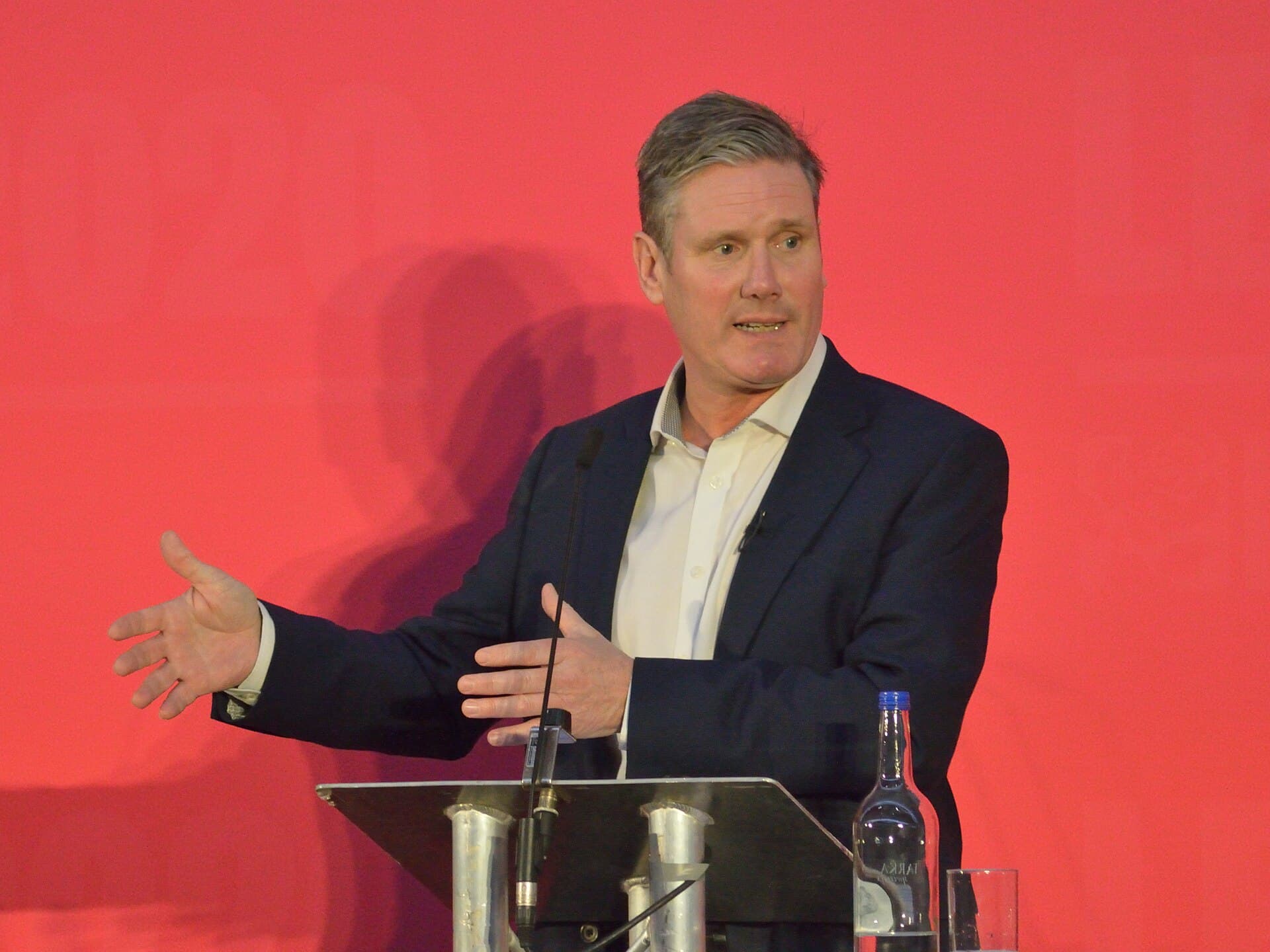
For Starmer, the political problem is not just internal unrest. It is whether Labour can win back voters who backed the party in 2024 but stayed at home or shifted toward Nigel Farage’s Reform UK. Health Secretary Wes Streeting said Labour had “got the message” and asked voters to “give us a bit of time” to change things. The danger for Starmer is that time is exactly what the result suggests many voters may no longer be willing to give.
Know something we missed? Have a correction or additional information?
Submit a Tip