Plant-based protein market enters growth phase as suppliers race to improve functionality
Plant protein is shifting from niche substitution to functional systems, but decade-long growth depends on better taste, texture, and repeat purchase.
Plant-based protein is moving into a more demanding phase, where growth will hinge less on how much protein a product carries and more on whether the ingredient behaves in a drink, bar, snack, or prepared meal. Future Market Insights said the category is entering a high-growth phase, driven by functional, application-ready protein systems and the mainstream adoption of protein-enriched food and beverage formats. That is a meaningful change in posture. The market is no longer being framed only around vegan positioning; it is being judged on manufacturing utility, with Cargill, ADM, Kerry Group, Roquette, and Ingredion all signaling that formulation performance is now the battleground.
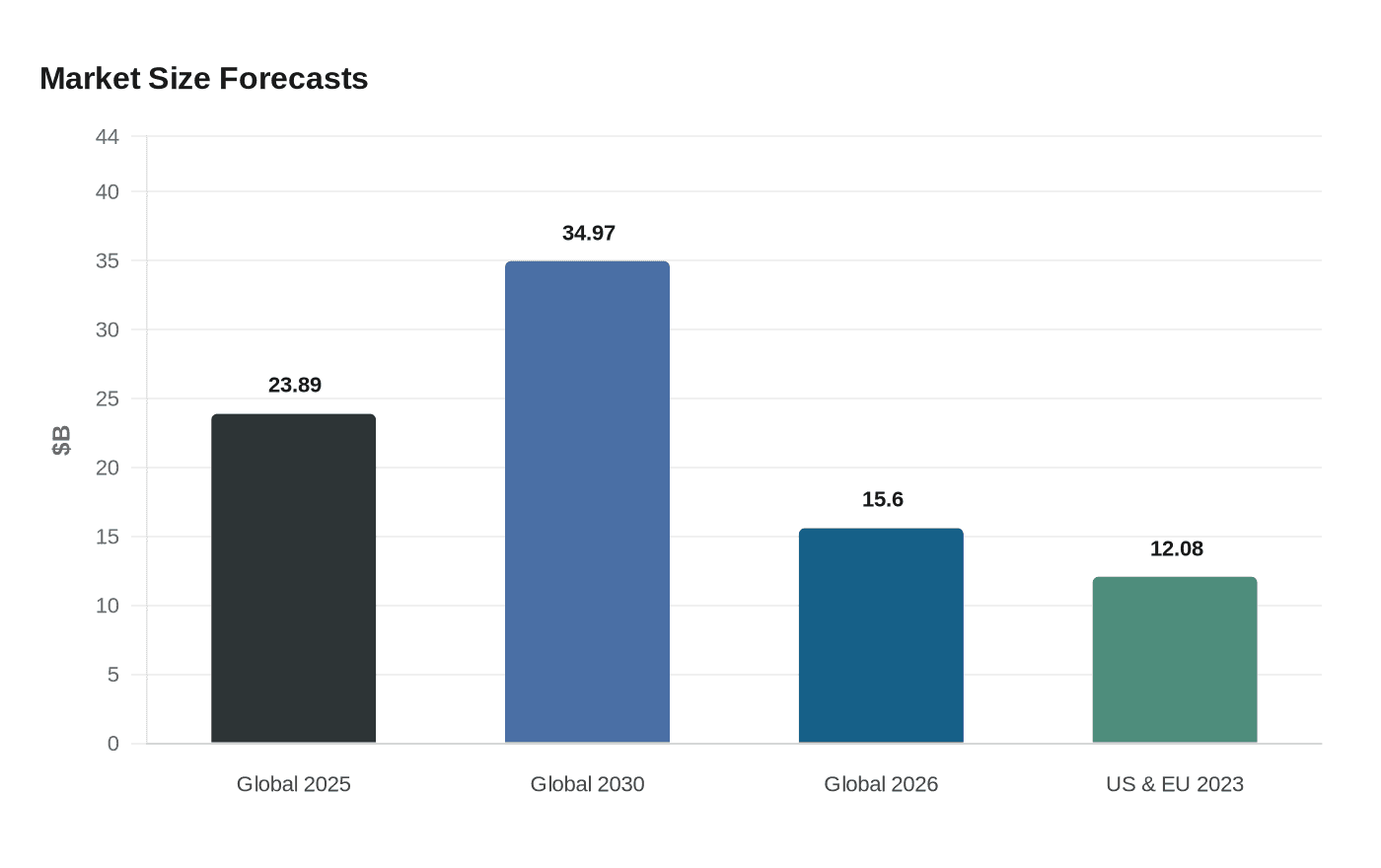
The forecast is bullish, but the assumptions behind it matter. MarketsandMarkets projected the global plant-based protein market at USD 34.97 billion by 2030, up from USD 23.89 billion in 2025, at a 7.9% CAGR. A separate MarketsandMarkets projection from 2021 put the market at USD 15.6 billion by 2026 and said isolates would grow fastest. Grand View Research estimated the U.S. and Europe market at USD 12.08 billion in 2023, with a 6.4% CAGR through 2030. Those numbers point to a category that has already moved well beyond early hype. For the current growth story to last another decade, plant protein has to keep winning in the places where consumers are unforgiving: taste, price, and repeat purchase.
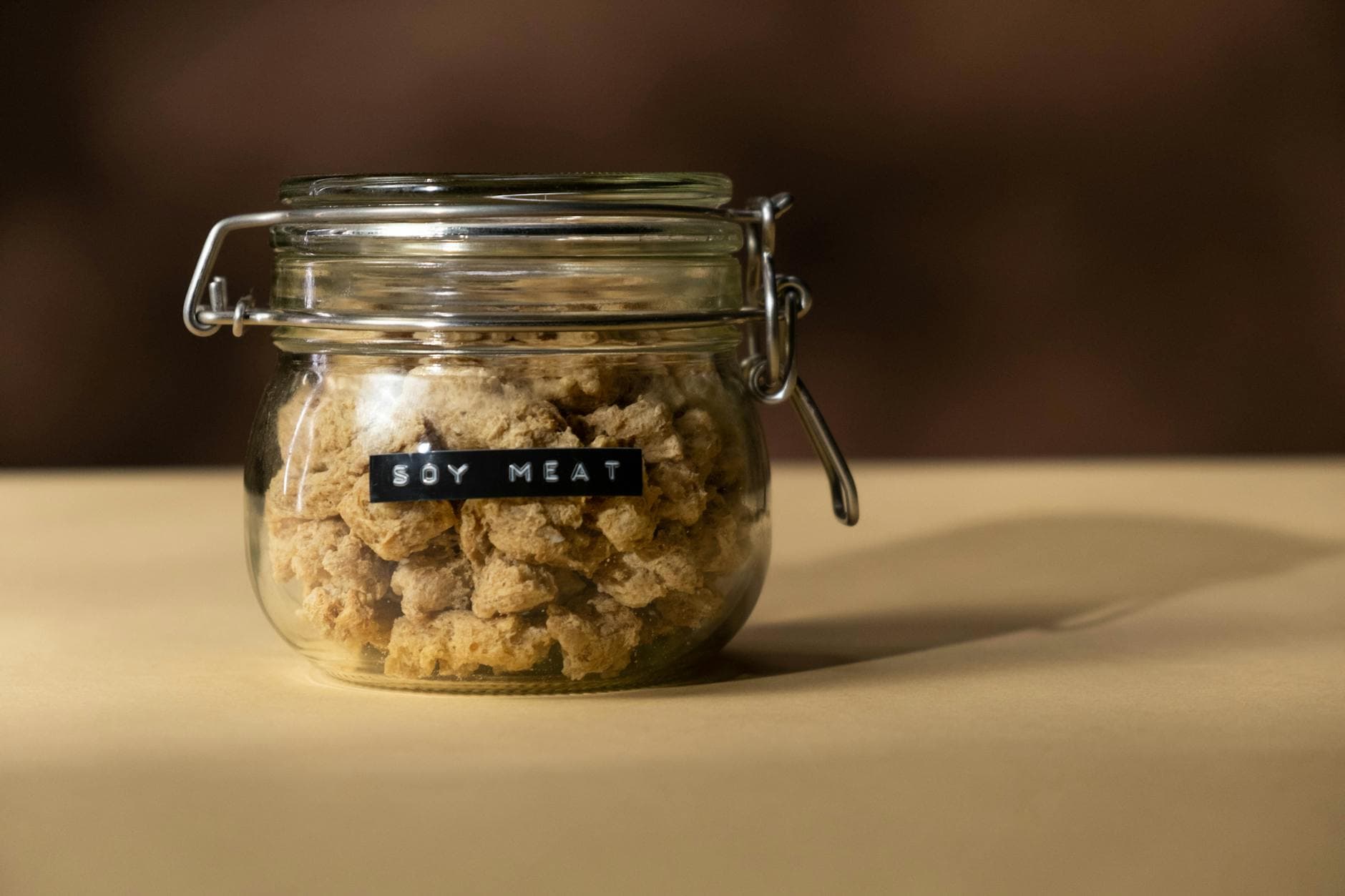
That is why supplier messaging now centers on performance, not just nutrition. Cargill says its plant protein solutions are used for meat alternatives and high-protein foods, with a focus on higher protein levels, better flavor profiles, and greater texture flexibility. ADM says its protein systems are designed for meat substitutes and also fit baked goods, snacks, dairy alternatives, and specialized nutrition. Ingredion says its plant protein ingredients are engineered for protein fortification in snacks, beverages, dairy alternatives, and other applications, emphasizing satiety, body, and formulation speed. Roquette says its yellow pea isolate protein is widely used in plant-based meat alternatives, snacks, and beverages. The message is consistent across the sector: the winning products are the ones that can be deployed quickly and still taste familiar.
That leaves the real question of which segments can sustain the next wave of growth. Health and wellness claims continue to drive demand across alternative protein, according to Food Ingredients First, while Nutritional Outlook has pointed to solubility, stability, texture, and flavor as the barriers that still determine broader acceptance. The most durable gains are likely to come from functional protein systems that can support mainstream food and beverage launches, especially where protein-enriched formats already fit consumer routines. Plant protein has clearly matured into an industrial building block, but its next chapter will belong to suppliers that can make it disappear into the product rather than announce itself on the label.
Sources:
Know something we missed? Have a correction or additional information?
Submit a Tip