Plastics Chemical DEHP Linked to 1.97 Million Preterm Births Globally in 2018
A plastics additive found in food packaging and consumer goods may have contributed to nearly 2 million preterm births and 74,000 infant deaths globally in just one year.
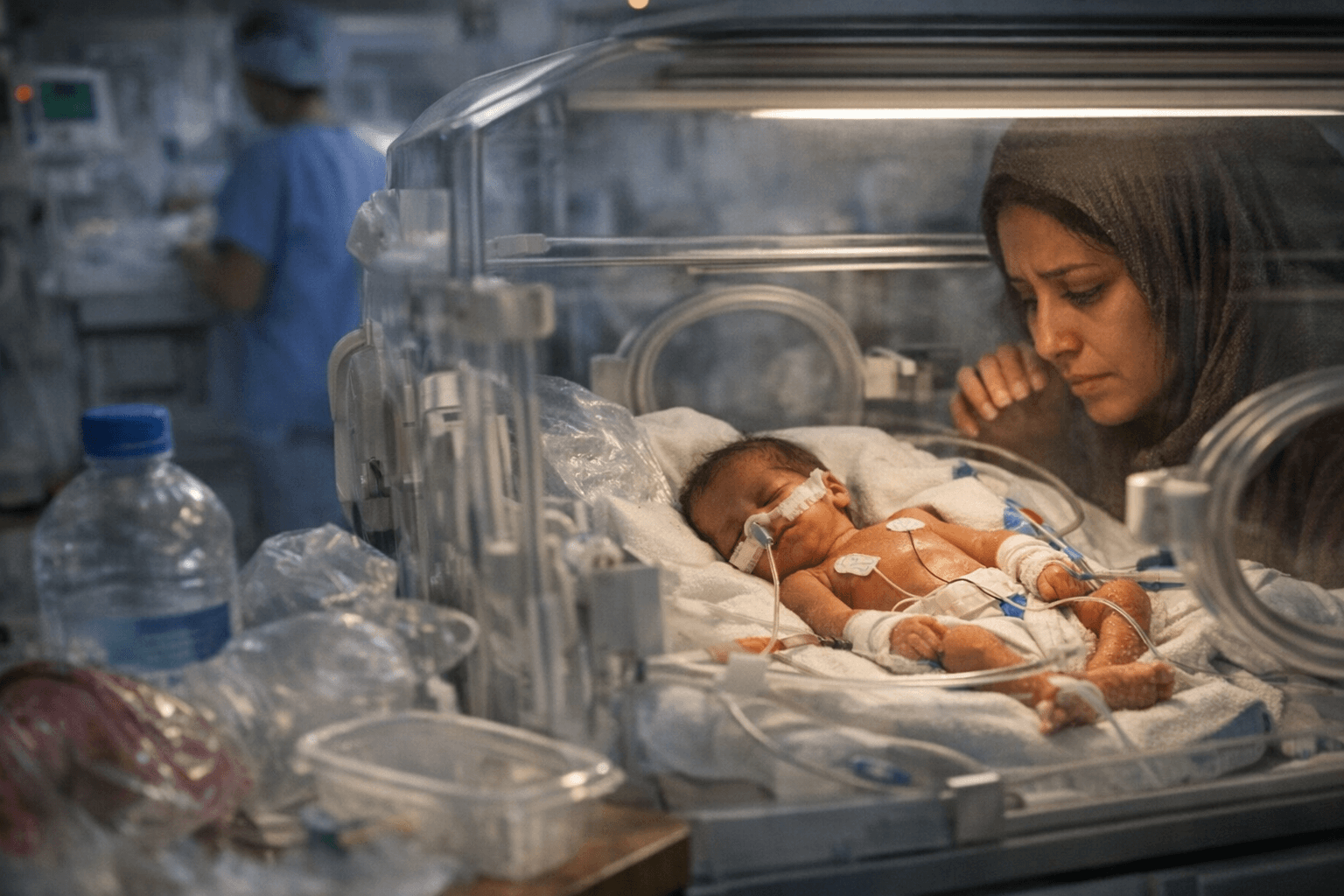
A chemical used to make plastics flexible was associated with approximately 1.97 million preterm births and an estimated 74,000 newborn deaths in 2018, according to a global analysis by researchers at NYU Langone Health published in the medical journal eClinicalMedicine. The findings represent the first worldwide estimate of the preterm-birth burden attributable to di-2-ethylhexyl phthalate, commonly known as DEHP, and include regional breakdowns of impact along with an assessment of years of life lost.
The 1.97 million figure amounts to roughly 8 percent of all preterm deliveries globally in 2018. The research team, led by Sara Hyman, pooled population-level exposure data from national biomonitoring surveys across multiple regions and applied established dose-response relationships from the epidemiological literature to estimate how many preterm births could be attributed to maternal DEHP exposure.
Perhaps the study's most pointed finding involves a chemical that was supposed to be a solution. Diisononyl phthalate, or DiNP, has increasingly been used as an industry substitute for DEHP following regulatory restrictions on the latter compound. The parallel analysis for DiNP produced a nearly equivalent burden: roughly 1.88 million preterm births and approximately 64,000 infant deaths in 2018. Leonardo Trasande, a pediatrics professor at NYU Grossman School of Medicine and the study's senior author, captured the implication directly, warning that "we are playing a dangerous game of Whac-A-Mole with hazardous chemicals."
Phthalates are endocrine-disrupting chemicals that interfere with the hormone systems critical to pregnancy maintenance and placental function. The researchers identified several plausible biological mechanisms linking maternal exposure to early labor, including hormonal disruption, inflammation and placental dysfunction. DEHP appears widely across everyday environments: food-contact materials, personal care products, medical tubing and general consumer goods.
Hyman emphasized that the burden falls unevenly, with vulnerable populations in low- and middle-income countries carrying disproportionate exposure risk while often having the least access to biomonitoring data or regulatory protections. Reducing phthalate exposure during pregnancy, the authors argued, represents a concrete, modifiable pathway to lowering preterm birth rates and the developmental and survival consequences that frequently follow early delivery.
The study carries notable methodological constraints. Exposure measurements vary across countries and shift over time, dose-response uncertainty remains, and the analysis could not fully account for co-exposures to other plastic-associated chemicals such as bisphenols or microplastics that may also elevate preterm birth risk. The authors were careful to describe the results as burden estimates rather than causal proof for individual pregnancies, but argued the scale of the findings compels immediate policy attention.
The researchers called for improved biomonitoring infrastructure in lower-income regions, targeted reductions in phthalate use in food-contact materials and personal care products, and prospective studies to test whether exposure reduction during pregnancy measurably lowers preterm birth rates. The central policy implication the authors pressed: regulating hazardous plastic additives one compound at a time, while chemically similar substitutes quietly fill the gap, does not adequately protect public health.
This article was produced by Prism’s automated news system from verified source data, official records, and press releases, then run through automated quality and moderation checks before publishing. The system is built and supervised by the people who set the standards it runs under. Read our full AI policy.
Did this article answer your question?