PM backs protest rights but warns repeated marches unsettle Jewish community
After two Jewish men were stabbed in Golders Green, Keir Starmer said protest rights must stand, but repeated marches were creating a cumulative fear.
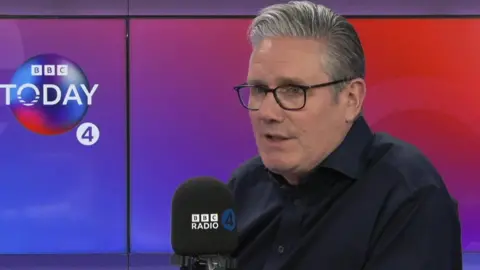
Keir Starmer has drawn a sharper line between protest rights and public protection, saying he would “always defend the right to protest” while warning that repeated marches were having a “cumulative” effect on the Jewish community.
The prime minister made the remarks on BBC Radio 4’s Today programme after two Jewish men were stabbed in Golders Green, north London, on Wednesday. His intervention came as ministers and Jewish leaders pressed the case that repeated pro-Palestinian marches have left many Jews feeling exposed and anxious in parts of the country.
Starmer said there were “instances” where protests could be stopped altogether, and argued that tougher policing of language used during marches was also needed. That language matters because the government is now being pushed to define a threshold for intervention: how many marches are too many, who decides when public order tips into intimidation, and what standard would justify stopping demonstrations entirely.
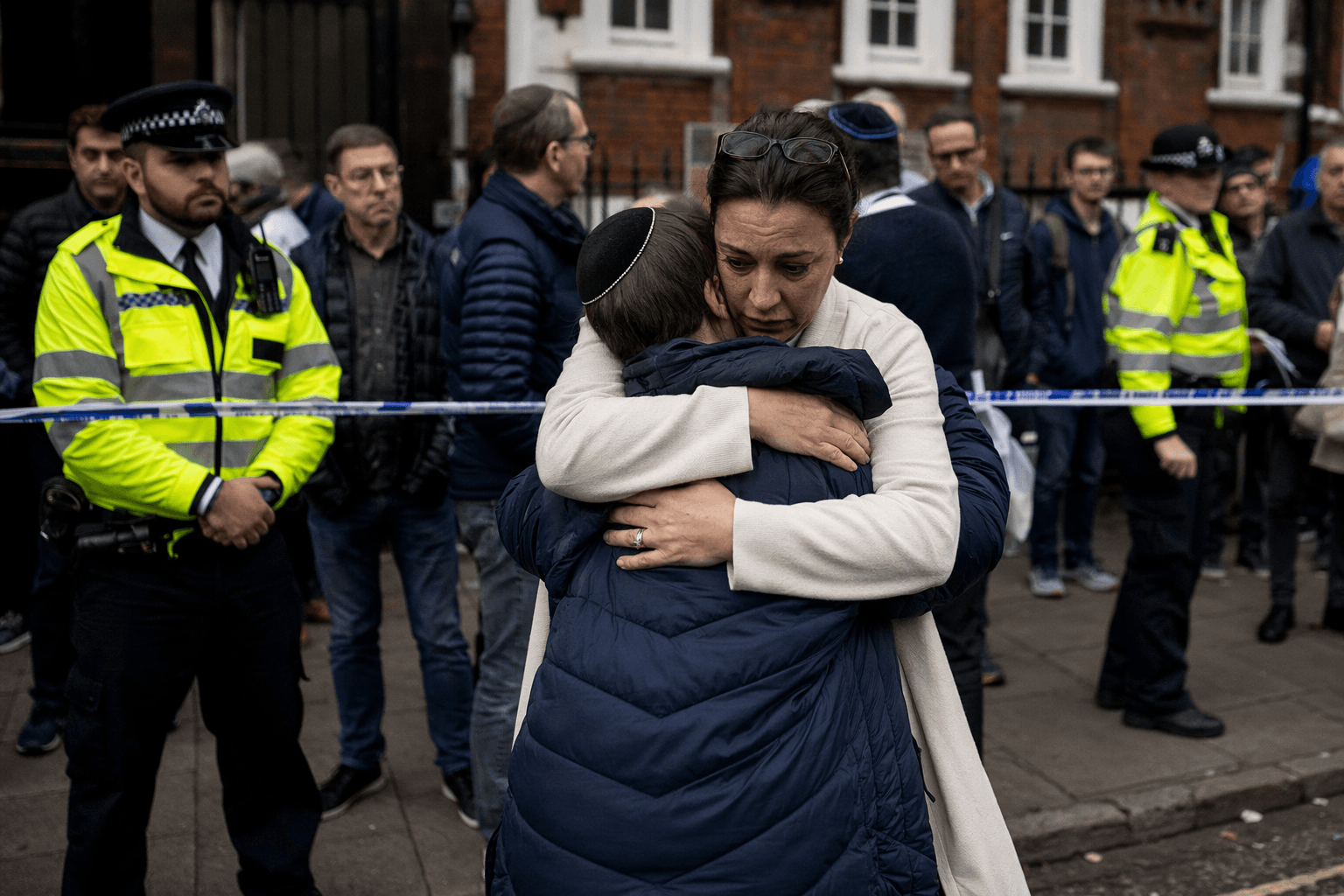
Those questions became more pointed later in 2025, when the government announced plans to give police new powers to consider the “cumulative impact” of repeated protests on local communities. The Home Office said officers would be able to assess previous protests when deciding whether to impose conditions on demonstrations, including repeat marches in the same place.
The move was welcomed by the Board of Deputies of British Jews, which described the new powers as a response to “deeply irresponsible and offensive protests” after the Heaton Park Hebrew Congregation synagogue attack in Manchester. Phil Rosenberg, the board’s president, has argued that the pattern of protests has intensified fear within the community.
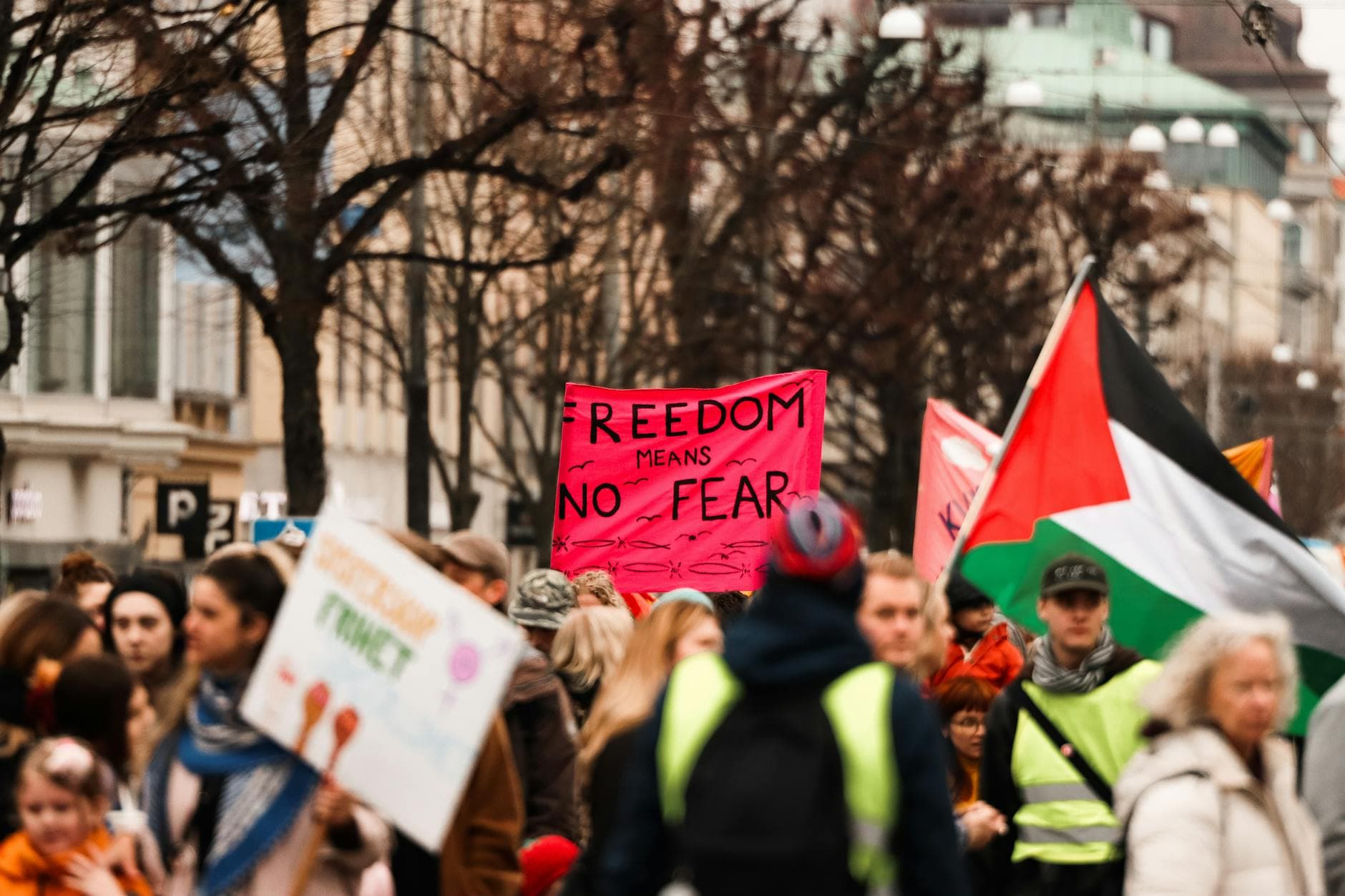
Pro-Palestinian groups have rejected calls to end the marches, insisting that the right to protest must be preserved. Their opposition underscores the tension now confronting ministers: if police are given power to weigh cumulative harm, the standard will need to be precise enough to protect Jewish communities without becoming a broader template for restricting demonstrations in moments of tension.
Starmer’s remarks suggest the government is trying to answer that balancing act with more police discretion. But unless the threshold for intervention is clearly defined, the same tool meant to reduce fear could become a wider precedent for limiting public dissent whenever a protest is judged too uncomfortable for those living nearby.
This article was produced by Prism’s automated news system from verified source data, official records, and press releases, then run through automated quality and moderation checks before publishing. The system is built and supervised by the people who set the standards it runs under. Read our full AI policy.
Did this article answer your question?

