War Powers Fight Returns as Presidents Bypass Congress Again
Congress wrote a 60-day check on war, but presidents kept treating it like a suggestion. From Iraq to Syria, the fight over who can send Americans into combat never really ended.
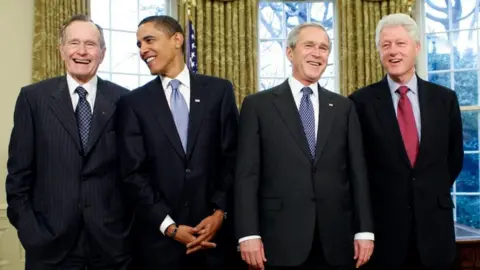
The War Powers Resolution was meant to stop presidents from launching U.S. military action on their own. Enacted on November 7, 1973, over President Richard Nixon’s veto, it requires notice to Congress within 48 hours and generally limits deployments to 60 days unless lawmakers authorize the mission or declare war.
Fifty years later, the law still collides with modern practice. Congress has not formally declared war since World War II, and the main legal route for major combat operations has become statutory authorizations for the use of military force. That is how the Persian Gulf War, Afghanistan and the 2003 Iraq War moved forward. George H.W. Bush and George W. Bush both won congressional authorization for major wars, but presidents of both parties have also tested the edges of the law, often by relying on older authorizations or on claims of unilateral executive power.
The Congressional Research Service says presidents have continued to commit U.S. forces into potential hostilities without specific congressional authorization. It also says every president since 1973 has treated the core restrictions of the War Powers Resolution as unconstitutional. Congress has rarely mustered the votes to push back. In 1995, the House rejected an amendment to repeal major parts of the law by 217-201, a reminder that lawmakers have often resisted reclaiming the authority they said they wanted to protect.
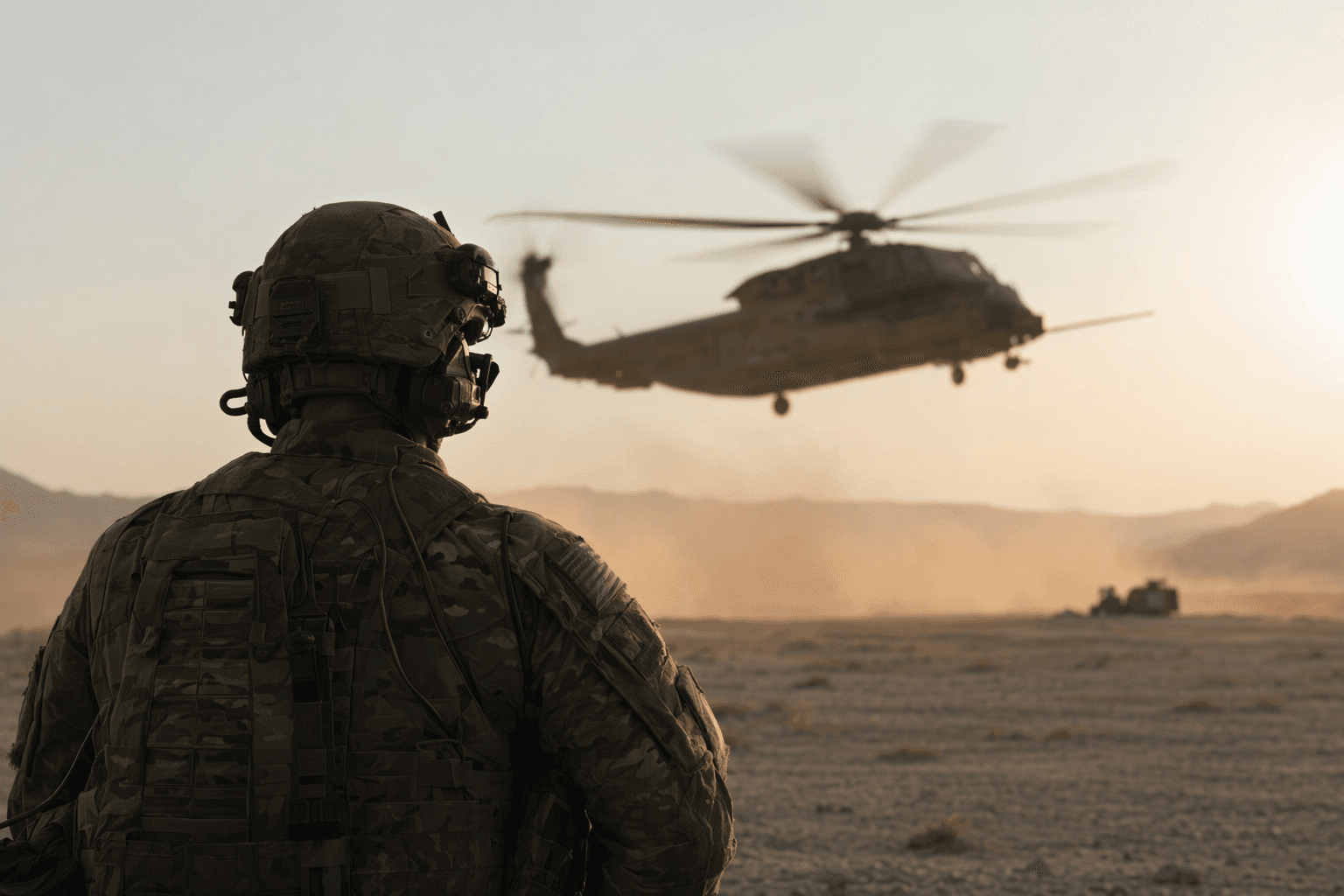
Barack Obama’s fight over Islamic State airstrikes showed how quickly those old authorizations could be stretched. His administration relied on the Bush-era approvals for al-Qaida and Iraq to justify strikes against Islamic State targets, and the White House said no new congressional authorization was required. In 2015, the Senate Foreign Relations Committee voted 10-8 to authorize Obama’s campaign against the Islamic State, but Congress never enacted a new war vote. Two years earlier, Congress did not even hold a vote on Obama’s request for authority to strike Syria.
That is the reality check behind today’s war-powers argument. If Donald Trump is claiming presidents have long bypassed Congress, history supports that. If he is suggesting the practice is settled law, the record does not. Congress has repeatedly authorized war when it chose to, repeatedly failed to reclaim its power when it did not, and left the nation with a system that keeps sending the most consequential decisions back to the Oval Office.
This article was produced by Prism’s automated news system from verified source data, official records, and press releases, then run through automated quality and moderation checks before publishing. The system is built and supervised by the people who set the standards it runs under. Read our full AI policy.
Did this article answer your question?

