Senate compromise on stablecoin yields clears path for CLARITY Act markup
A Senate deal would bar stablecoin rewards that mimic bank interest, but still leave room for exchange-based perks. That leaves the central question: who gets a bank-like yield without bank rules?
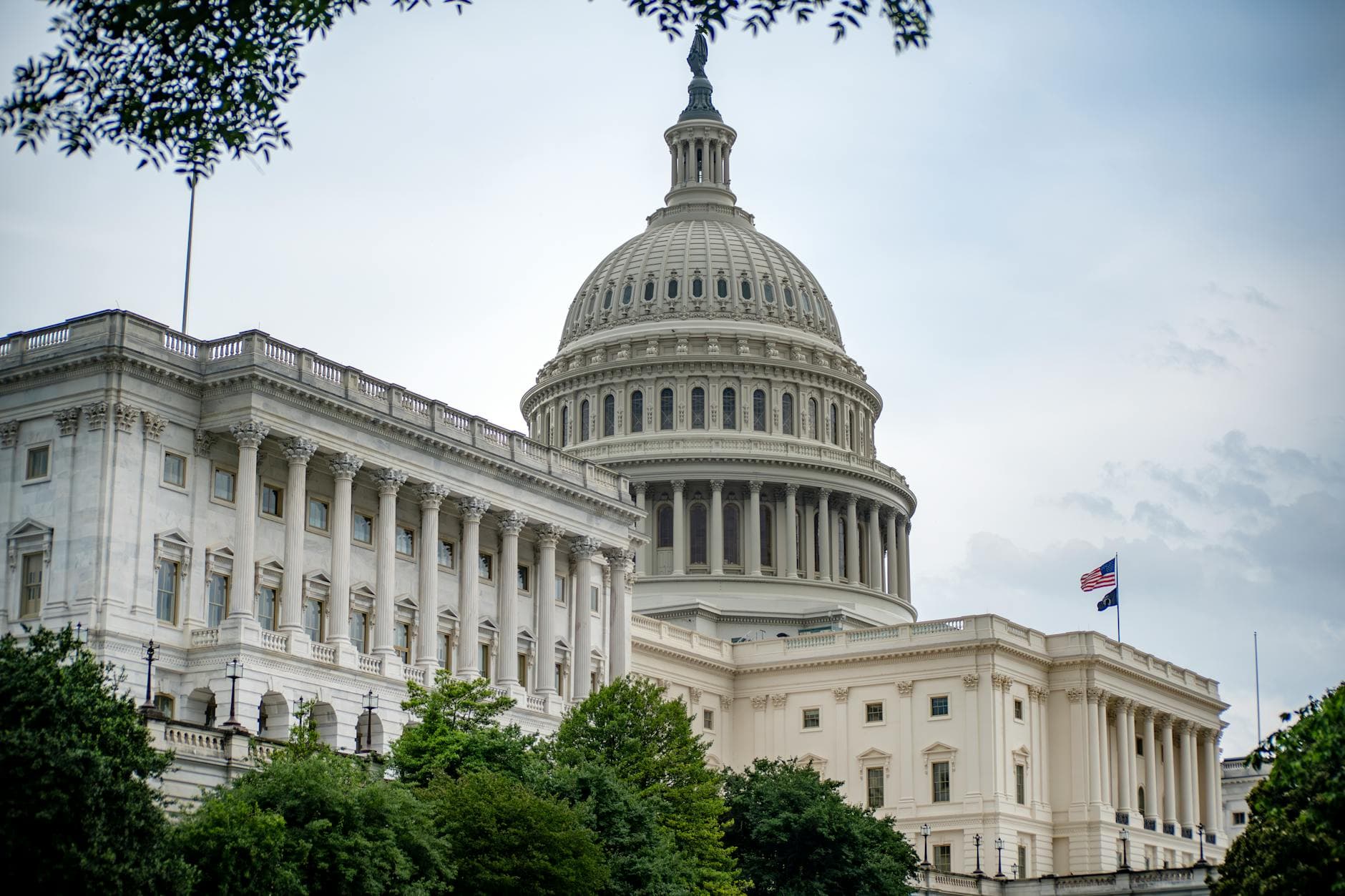
A Senate compromise on stablecoin rewards moved the CLARITY Act closer to markup, but it also sharpened the regulatory loophole fight at the center of the bill: crypto firms could still market incentives that look and feel like bank yields without being treated the same way.
The text, finalized by Sens. Thom Tillis of North Carolina and Angela Alsobrooks of Maryland after months of negotiations, would bar rewards that are economically or functionally equivalent to interest on a bank deposit. It would still allow “bona fide” transaction-based rewards and incentives tied to platform activity, a distinction that could let exchanges continue offering consumer-facing perks even as issuers are blocked from paying interest directly.
That split matters because the GENIUS Act, signed into law by President Donald Trump on July 18, 2025, already prohibited interest payments by stablecoin issuers. The unresolved question was whether exchanges, affiliates and other intermediaries could keep offering rewards that function as a draw for deposits, spending and loyalty. In plain terms, lawmakers were deciding whether to close a door on bank-like yield or leave a side entrance open.
Banking groups argued that stablecoin rewards could pull money out of traditional accounts and into a parallel system that offers similar returns without the same consumer protections. Crypto firms pushed back, saying rewards are central to adoption and give users more choice. Coinbase had warned Senate offices about earlier language, and the revised deal reflected that pressure while still tightening the rules around reward programs.
The policy fight had helped stall the broader CLARITY Act since January 2026, and lawmakers were trying to clear the issue before a Senate Banking Committee markup in May. A White House Council of Economic Advisers analysis in April said banning stablecoin yield would lift bank lending by only $2.1 billion, or 0.02% of total loans, while imposing an estimated $800 million net welfare cost on consumers. Bank advocates disputed that framing and kept lobbying for tighter limits.
Sen. Tim Scott said the bill would need unified Republican support before advancing, underscoring that the yield compromise alone was not enough to guarantee passage. Blockchain Association CEO Summer Mersinger called the agreement a step toward a markup and broader market structure legislation, but other disputes remain over tokenization, decentralized finance protections and software-developer safeguards.
The practical result is a narrower but still consequential opening for stablecoin marketing. If regulators define rewards too loosely, crypto platforms could keep offering bank-like incentives outside banking rules. If they define them too tightly, the industry will say lawmakers have choked off competition. That tension is now at the heart of whether Congress builds a consumer-finance framework around stablecoins or a parallel one beside the banks.
This article was produced by Prism’s automated news system from verified source data, official records, and press releases, then run through automated quality and moderation checks before publishing. The system is built and supervised by the people who set the standards it runs under. Read our full AI policy.
Did this article answer your question?


