Voting Rights Act revived Black congressional representation in the South
Black representation in Congress surged when the Voting Rights Act cleared the legal roadblocks, but later court rulings left that progress exposed to new mapmaking fights.
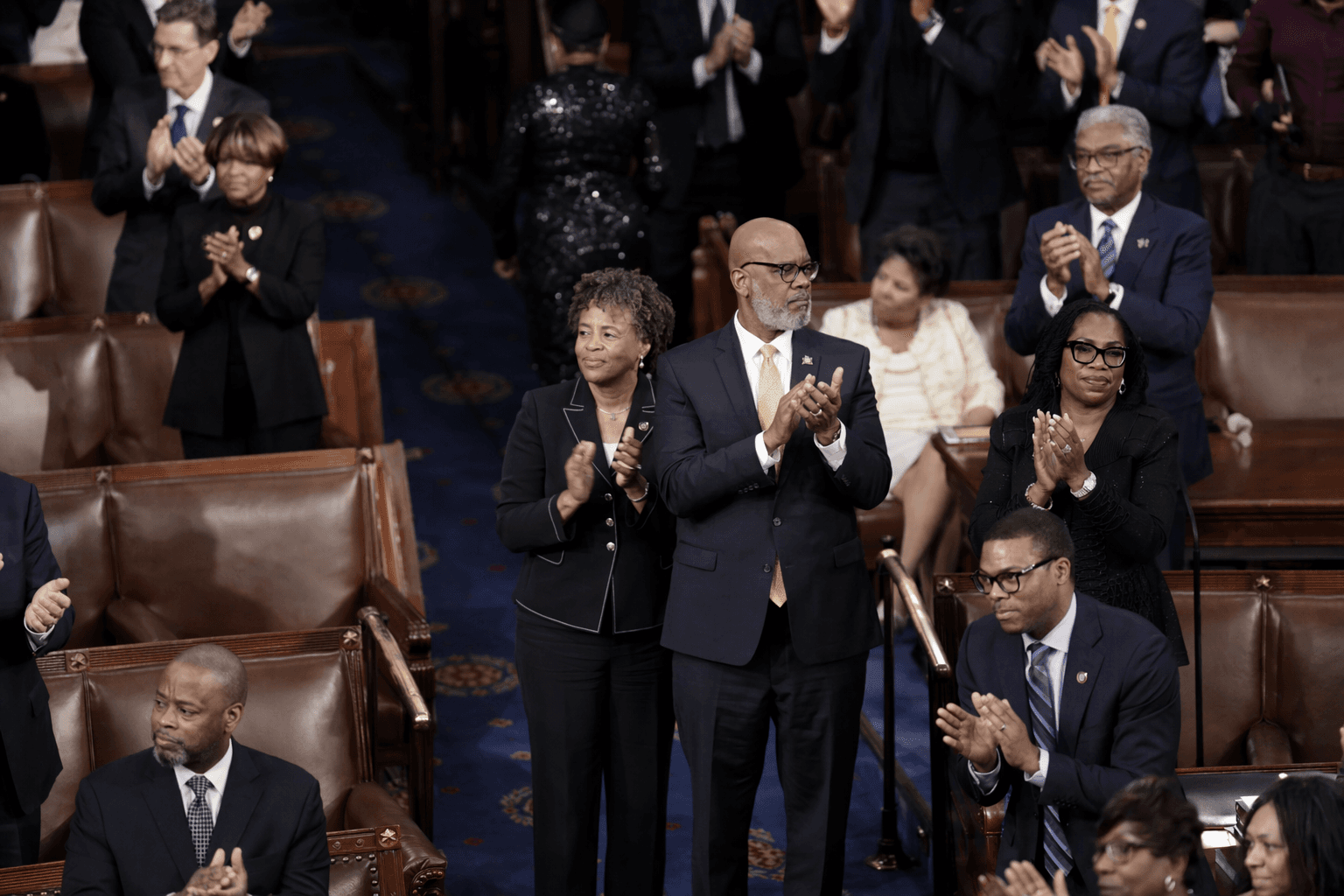
The law that changed the map
Black congressional representation in the South did not return because the political climate softened. It returned because federal law finally forced the machinery of exclusion to give way. After Reconstruction collapsed and Black officeholding in the South was crushed, the Voting Rights Act of 1965 became the legal lever that made representation possible again by attacking the registration rules that had kept Black voters, and therefore Black candidates, out of power.
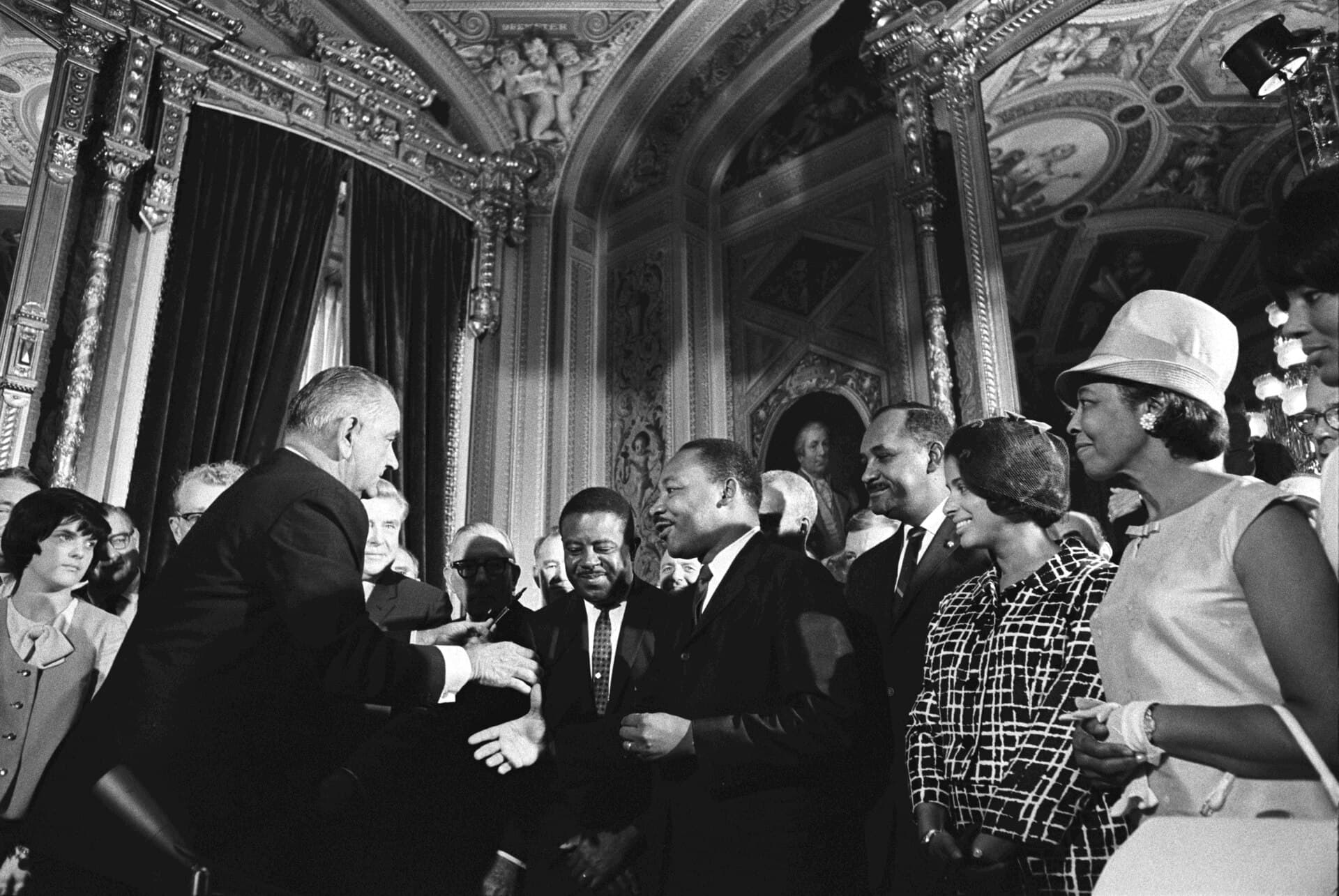
The House History Office says the law was approved by the House on August 3, 1965, by a vote of 328 to 74, after the violence of Selma and the March 7, 1965 attack on marchers known as Bloody Sunday helped drive support for action. Crafted from H.R. 6400 by the administration of President Lyndon B. Johnson, the bill became the most comprehensive voting rights legislation in 95 years. It suspended literacy tests and poll taxes, allowed federal examiners in lagging registration areas, and required federal preclearance for certain new state and county voting changes.
That preclearance system mattered because it shifted power before an election could be distorted. States with a history of discrimination could not simply redraw lines, change rules, or alter registration practices and wait for voters to challenge them after the damage was done. The federal government, through the Attorney General and the Justice Department’s Civil Rights Division, had to review certain changes in advance. That was the legal machinery that historians sometimes describe as the foundation of a “Second Reconstruction” in Black political representation.
Representation returns to the South
The long arc begins earlier, with Joseph H. Rainey of South Carolina, who became the first African American to serve in Congress in 1870. But that breakthrough did not survive the rollback of Reconstruction. For generations after, Black officeholding in the former Confederacy nearly disappeared, a reminder that representation is never permanent when voting rights are under siege.
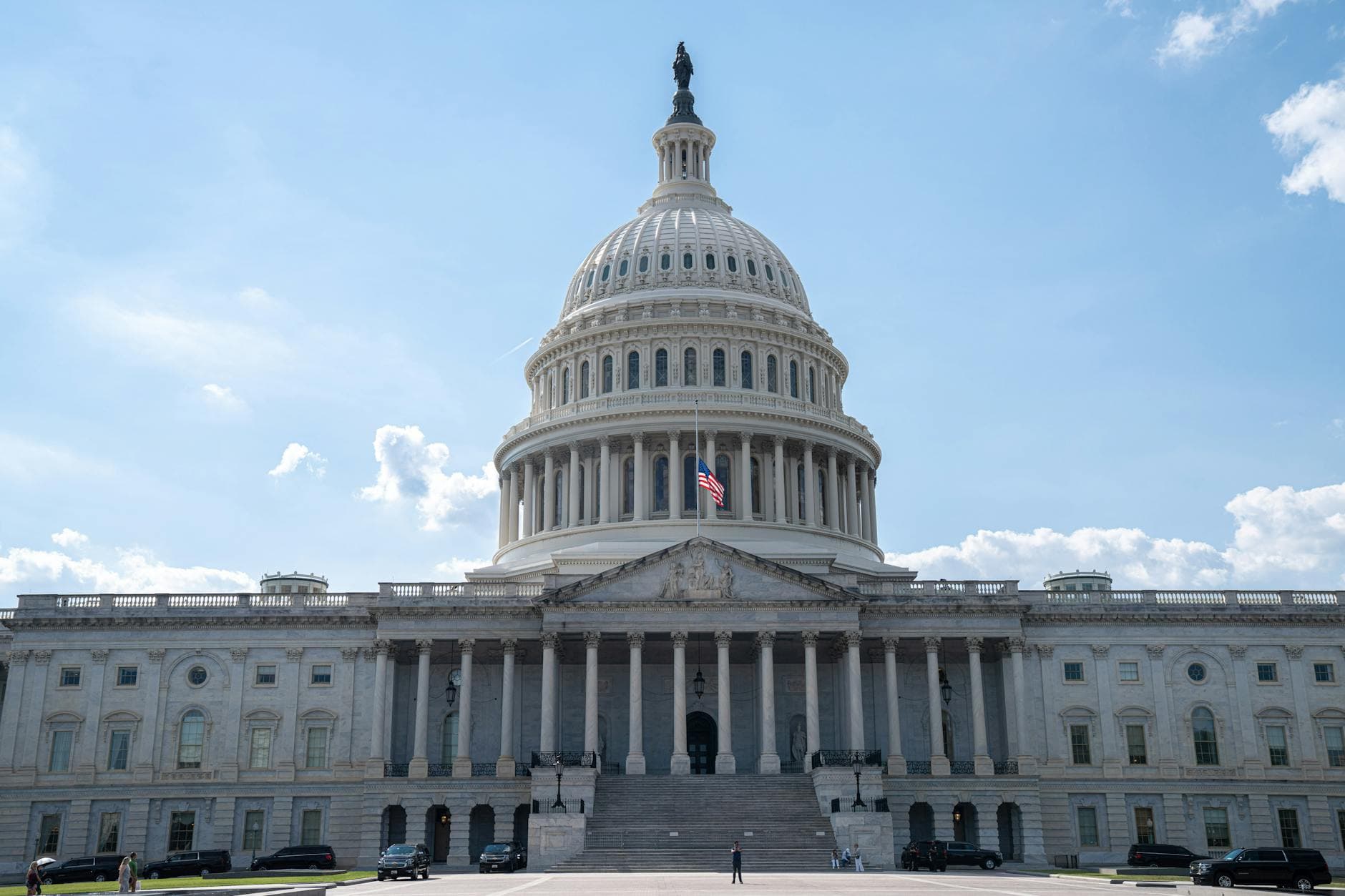
The House History Office says 201 African Americans have served as Representatives, Delegates, or Senators since then, but the pace of change was uneven and often painfully slow. The next real turning point in the South came in 1972, when Barbara Jordan of Texas and Andrew Young of Georgia were elected to Congress. Their victories marked the first time since the 19th century that voters in the South had sent Black Members to Congress.
Young’s election carried its own historical weight. He was the first Black Representative from Georgia since Jefferson F. Long’s election a century earlier. That gap alone shows what the Voting Rights Act was up against: not just individual prejudice, but a political order structured to keep Black citizens from translating population into power.
From individual wins to collective power
The expansion of Black representation did more than add faces to the House floor. It created a new national bloc that could organize around shared priorities. In 1971, the 12 Black Representatives serving at the start of the 92nd Congress formed the Democratic Select Committee, the forerunner of the Congressional Black Caucus. Among the lawmakers associated with that early organizing were Charles Rangel, Charles Diggs, William L. Dawson, Adam Clayton Powell Jr., Louis Stokes, Bill Clay, Shirley Chisholm, and Walter E. Fauntroy.
The group’s influence sharpened when it moved from informal solidarity to visible political pressure. After boycotting President Richard M. Nixon’s State of the Union, the members met with him at the White House on March 25, 1971. The meeting gave the emerging caucus a national profile and signaled that Black Members of Congress were no longer isolated voices navigating Washington alone. They were building an advocacy bloc with its own agenda and its own leverage.
That evolution is part of why the Voting Rights Act mattered beyond ballot access. It made it possible for Black voters to elect representatives who could then defend voting rights, challenge discrimination in other arenas, and press federal power toward communities that had long been shut out. Representation became a tool for policy, not just symbolism.
Why the gains remained fragile
The same legal structure that restored Black congressional representation also proved vulnerable to later court decisions. On June 25, 2013, in Shelby County v. Holder, the Supreme Court struck down Section 4(b) of the Voting Rights Act, the coverage formula that had determined which jurisdictions were subject to preclearance. That decision effectively ended the preclearance regime that had been a key enforcement tool for nearly 50 years.
Its consequences reached far beyond courtroom doctrine. Once preclearance was weakened, the burden shifted again toward after-the-fact litigation, while states and counties regained more room to pursue voting changes before federal review could stop them. That is why redistricting fights have remained so central to who gets elected today. When the legal guardrails narrow, mapmaking becomes a more powerful instrument of political control.
Mississippi offers a stark example of how slowly the South changed even under the Voting Rights Act’s protections. In 1986, Mike Espy became the first Black congressman elected from Mississippi since Reconstruction. His victory came more than a century after the post-Civil War collapse of Black officeholding, underscoring how much of the region’s political landscape still had to be pried open district by district.
The story of Black congressional representation in the South is therefore not a simple upward march. It is a story of legal intervention, community organizing, and recurring backlash. The Voting Rights Act created the conditions for Black voters to elect Black lawmakers, but later rulings and redistricting battles showed how quickly those gains could be placed back at risk. The lesson is plain: representation expands when the law protects it, and it contracts when that protection is stripped away.
This article was produced by Prism’s automated news system from verified source data, official records, and press releases, then run through automated quality and moderation checks before publishing. The system is built and supervised by the people who set the standards it runs under. Read our full AI policy.
Did this article answer your question?

