PM Warns Global Shocks Like Iran Conflict Are Becoming More Frequent
Starmer declared the Iran conflict a "line in the sand" for Britain, warning the world is more volatile than at any point in his lifetime and that such shocks will become routine.
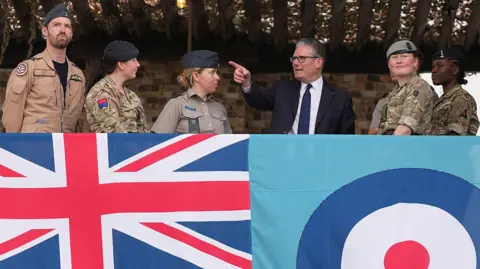
Prime Minister Keir Starmer declared the six-week Iran war a generational inflection point for Britain, arguing that shocks of its scale are set to become the new normal and that the country must rebuild its energy, defence, and economic foundations before the next one arrives.
Writing in the Guardian on Thursday, Starmer said the government's industrial and child poverty strategies were examples of "doing things differently, thinking about the long-term, and remaking this country so that Britain is prepared for a world where shocks like this are more frequent." The language amounted to his most explicit acknowledgment yet that the Iran conflict is not an aberration but a preview.
"The war in Iran must now become a line in the sand," Starmer wrote, "because how we emerge from this crisis will define all of us for a generation." He cited the 2008 global financial crash, austerity, Brexit, the Covid-19 pandemic, and Russia's invasion of Ukraine as the crises that had "buffeted" Britain across two decades, framing the Iran war as the latest in an accelerating sequence rather than an isolated event. "The world today is more volatile and dangerous than at any other point in my lifetime," he wrote.
The backdrop to the prime minister's language is severe. The conflict began on 28 February 2026 when the United States and Israel launched military strikes against Iran, triggering Iran's near-total blockade of the Strait of Hormuz, the chokepoint through which roughly one-fifth of the world's oil and gas typically passes. Analysts have described the resulting energy supply disruption as the worst in history. Fuel prices rose sharply across Britain in the weeks that followed, and airlines flagged potential disruption to jet fuel supply lines.
President Donald Trump announced a ceasefire on 7 April, but Iran had not lifted the Hormuz blockade by Thursday, leaving the energy market shock incomplete. Starmer spoke to Trump about reopening the strait "as quickly as possible" and condemned Israeli strikes on Lebanon during the ceasefire as "wrong."
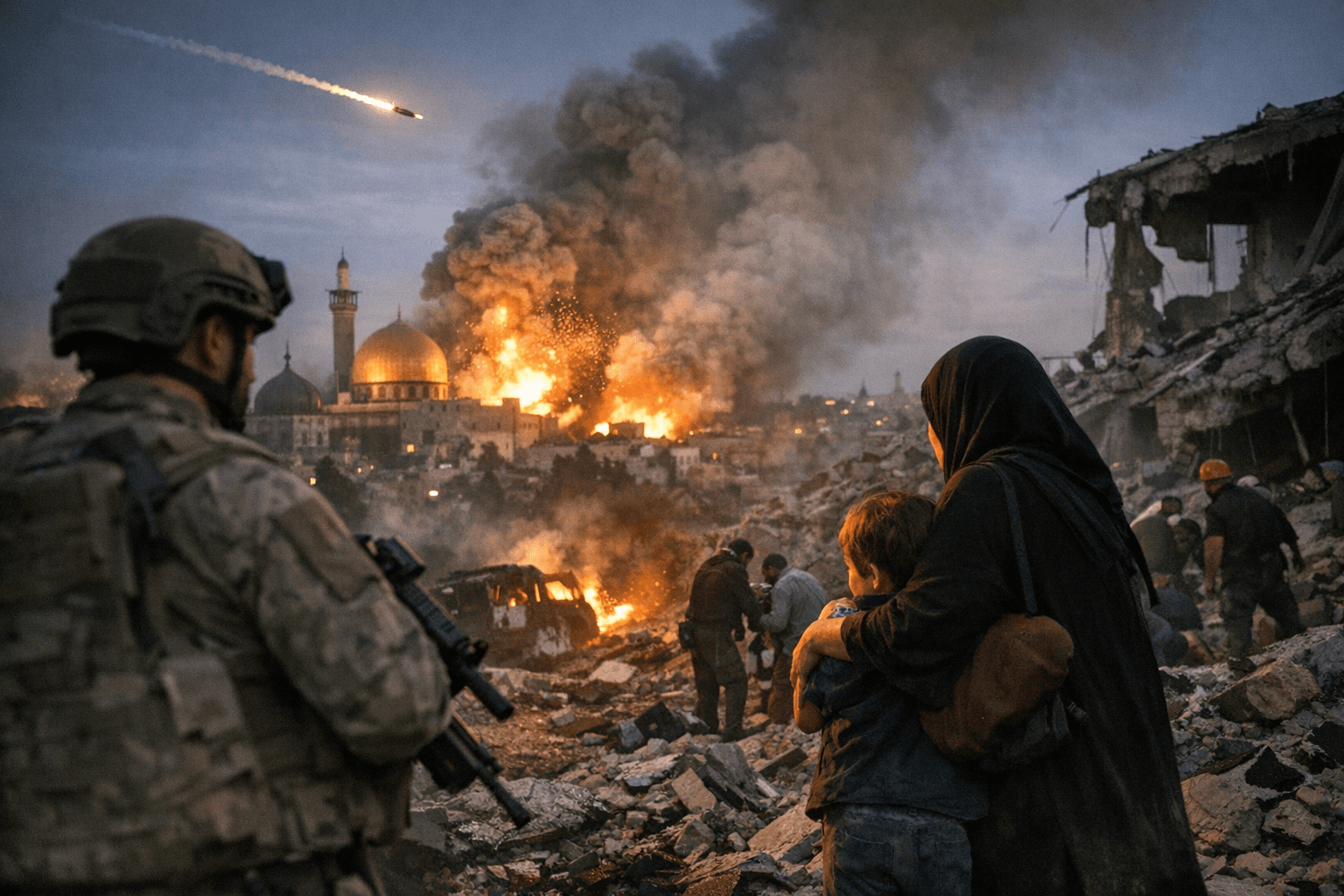
On domestic resilience, Starmer pointed to measures already in effect: an energy price cap cut that took effect on 1 April, with bills fixed through July; a freeze on prescription charges; and a rise in the minimum wage. He ruled out a blanket consumer bailout comparable to the pandemic-era support schemes, though the government signalled a fuel allowance for winter 2026 remains under consideration.
The prime minister has chaired crisis meetings with Chancellor Rachel Reeves, Foreign Secretary Yvette Cooper, Energy Secretary Ed Miliband, and Bank of England Governor Andrew Bailey, covering energy security, supply chain resilience, and the international response to the war. The UK has also rallied 35 nations around a joint statement on maritime security in the Gulf. Militarily, British forces shot down Iranian drones and missiles over Qatar, Iraq, and Jordan; after a drone struck a British military base on Cyprus, the UK redeployed the destroyer HMS Dragon to the Eastern Mediterranean.
On energy security specifically, Starmer said he was "sick and tired" of household bills swinging because of decisions taken by Putin and the Iranian regime, and argued that a domestic renewables buildout was the structural fix. Critics on both left and right contested that framing: opponents within Labour questioned the use of British airfields by US bombers, while Conservatives and Reform UK called Starmer insufficiently committed to the US alliance. Energy analysts noted that consumer savings from a cleaner energy system are not projected to materialise until around 2040, leaving current households exposed to any further supply shocks in the interim.
This article was produced by Prism’s automated news system from verified source data, official records, and press releases, then run through automated quality and moderation checks before publishing. The system is built and supervised by the people who set the standards it runs under. Read our full AI policy.
Did this article answer your question?

