Police apologises after student stabbed in false accusation mix-up
Henry Nowak was handcuffed as he lay dying after a stabbing, and bodycam reportedly captured him saying “I can’t breathe” nine times.
Hampshire & Isle of Wight Constabulary has apologised for handcuffing and arresting Henry Nowak minutes before he died, after officers were initially misled at the scene by Vickrum Digwa’s false claim that Nowak had been the aggressor and had used racist abuse. Body-worn video and reporting indicate that Nowak, an 18-year-old University of Southampton student, repeatedly told officers he had been stabbed and said “I can’t breathe” while handcuffed and lying on the ground. The sequence has triggered sharp scrutiny over whether a dying teenager was treated as a suspect when he needed immediate medical care.
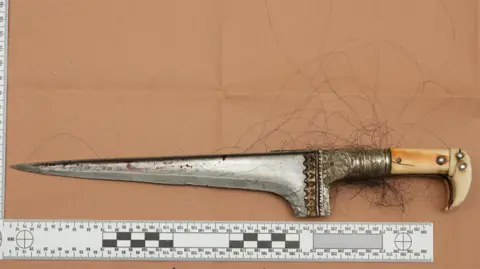
Nowak was stabbed in Southampton on 3 December 2025 after a row with Digwa, who was 23 at the time and was later convicted of murder and jailed for life with a minimum term of 21 years. Reporting says Digwa stabbed him five times with a ceremonial knife. One account said the attack left stab wounds to the chest and the back of the legs, and Nowak collapsed before officers began first aid. The false accusation that Nowak had racially abused Digwa was central to why officers appear to have treated him as the aggressor rather than as a victim in urgent need of help.
The force referred itself to the Independent Office for Police Conduct the day after Nowak died, and the investigation into the police actions is ongoing. Hampshire Police and Crime Commissioner Donna Jones said the details of the police response raised “serious concerns about police impartiality, fairness and judgement,” and said the apology and the review should be followed by implementation of any findings without delay. Mark Nowak described the treatment of his son as “inhumane and degrading” and called on the government to treat knife crime as a national emergency.
The case has become part of a wider argument about how police handle people in medical or psychological distress, especially when an attacker’s account is given weight in a chaotic emergency. The central question now is whether the handcuffing, the arrest and the decision-making that followed were avoidable escalation rather than duty of care. Separately, the Attorney General’s Office is considering Digwa’s sentence under the unduly lenient sentence scheme, which can send certain Crown Court sentences to the Court of Appeal for review after requests for examination.
This article was produced by Prism’s automated news system from verified source data, official records, and press releases, then run through automated quality and moderation checks before publishing. The system is built and supervised by the people who set the standards it runs under. Read our full AI policy.
Know something we missed? Have a correction or additional information?
Submit a Tip