U.S.-Iran deal dims as Tehran warns war is inevitable
Tehran has not answered a U.S. draft deal as an Iranian commander warns war is inevitable, while fighting in Lebanon keeps widening the risk of direct confrontation.
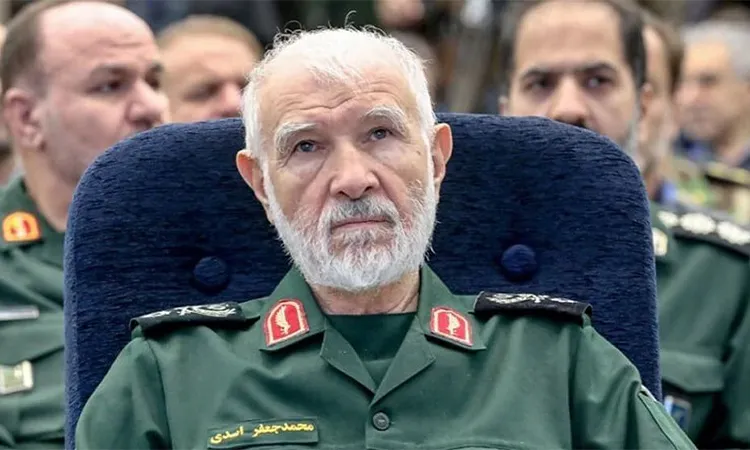
A senior Iranian commander warned that war with the United States was inevitable unless Iran surrendered, even as Tehran kept reviewing a proposed deal meant to extend the ceasefire and reopen the Strait of Hormuz. Mohammad Jafar Asadi, the deputy head of Iran’s central military command, Khatam Al-Anbiya, said, “The United States demands our total surrender, and the Iranian nation will never surrender. Without surrender, war is inevitable.”
Iran had not yet responded to the final draft as of June 2, with a source close to the Iranian negotiating team saying the text was still being reviewed in Tehran. That source said Iranian officials were moving cautiously because of past U.S. non-compliance and deep mistrust, and that Tehran wanted “tangible and real benefits” before accepting any deal.
Donald Trump said on Monday that he thought a deal could come “over the next week” to extend the ceasefire and reopen the Strait of Hormuz. He also said talks with Iran were continuing and that a break in negotiations would not necessarily mean the United States would begin bombing Iran. The draft framework circulating in the talks would require unrestricted shipping through the strait, the removal of mines within 30 days, an end to the U.S. blockade of Iranian ports in proportion to restored shipping, and sanctions relief that would allow Iran to sell oil more freely.
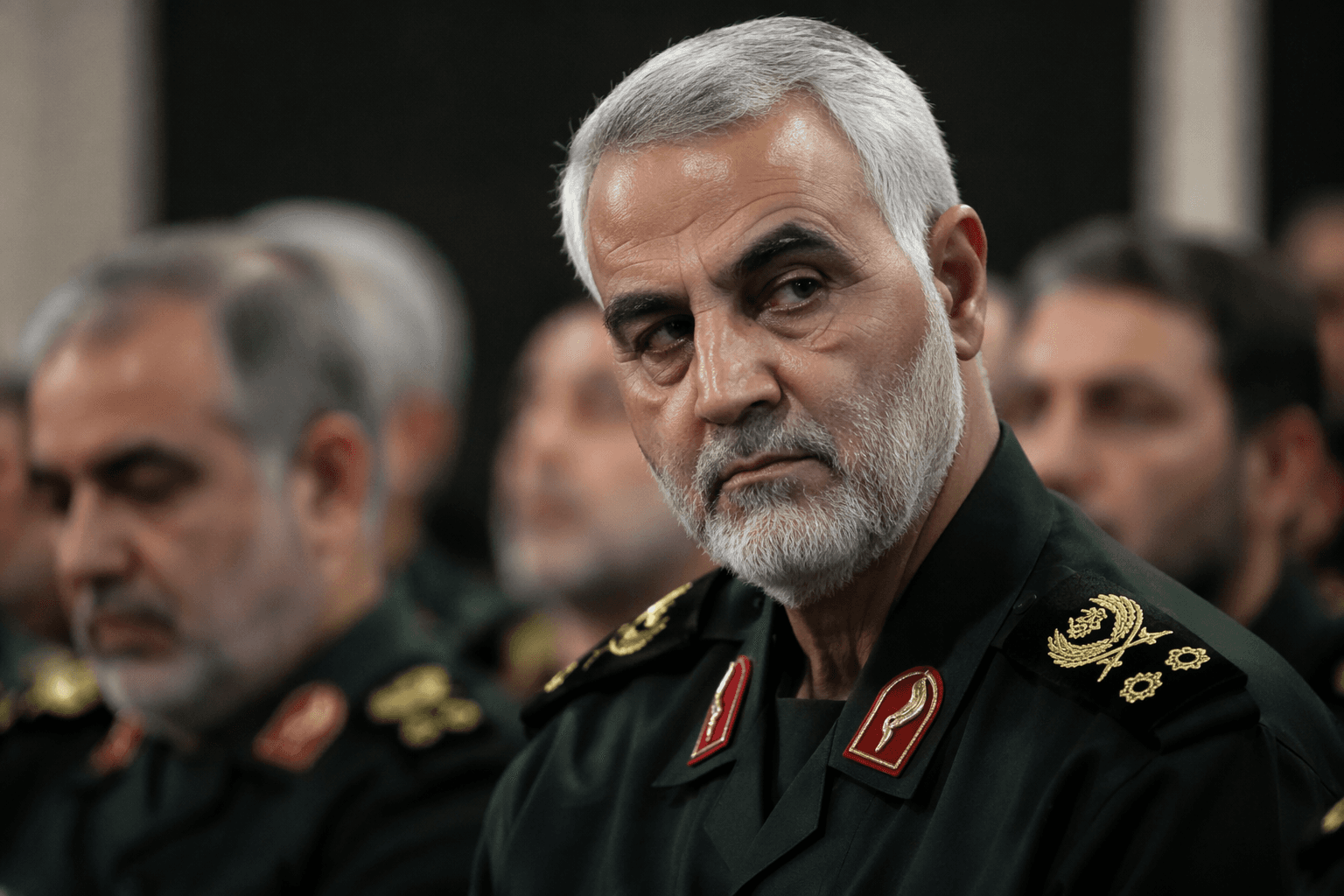
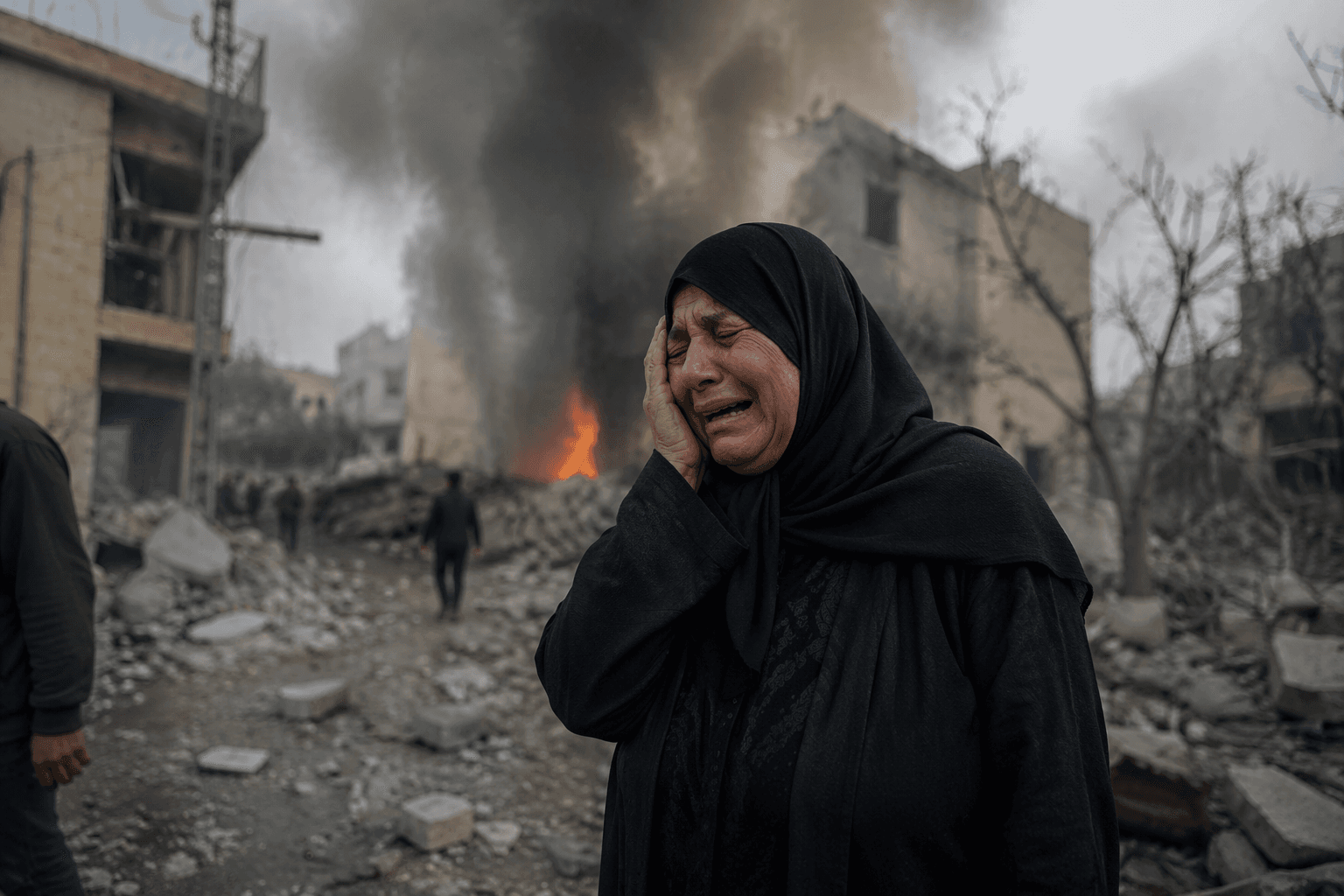
The risk of escalation has sharpened because the diplomacy is colliding with the war in Lebanon. Tasnim said Tehran was halting indirect negotiations with the United States after Israel ordered troops to push deeper into Lebanon. Mohammad Bagher Ghalibaf, Iran’s chief negotiator, warned that if Israeli attacks on Lebanon continued, Tehran could stop negotiating and move into direct confrontation. On June 2, Israeli air attacks in southern Lebanon killed at least eight people, while a Hezbollah drone strike wounded two Israeli soldiers.
The broader conflict has been unfolding since February 28, when the United States and Israel launched attacks on Iran. Hezbollah entered the fight the next day by firing rockets and drones into Israel. A U.S.-Iran ceasefire was announced on April 7, but Israel then escalated its campaign against Hezbollah in Lebanon, and the fighting has continued in bursts since then.
The stakes are larger than the battlefield. The Strait of Hormuz carries about 20% of global oil and liquefied natural gas flows in peacetime, making any breakdown in the talks a threat not only to regional security but also to energy markets. For now, the deal’s fate appears tied to three pressure points: Israel’s campaign in Lebanon, Iran’s response in Tehran, and whether shipping through Hormuz can be stabilized before the next round of attacks closes the diplomatic window.
This article was produced by Prism’s automated news system from verified source data, official records, and press releases, then run through automated quality and moderation checks before publishing. The system is built and supervised by the people who set the standards it runs under. Read our full AI policy.
Know something we missed? Have a correction or additional information?
Submit a Tip