PolitiFact runs live fact-check of Trump’s State of the Union, citing 1,144 prior checks
PolitiFact monitored Trump’s Feb. 24 State of the Union in real time, using a 1,144-entry archive and issuing a roundup with Truth-O-Meter ratings on Feb. 25.
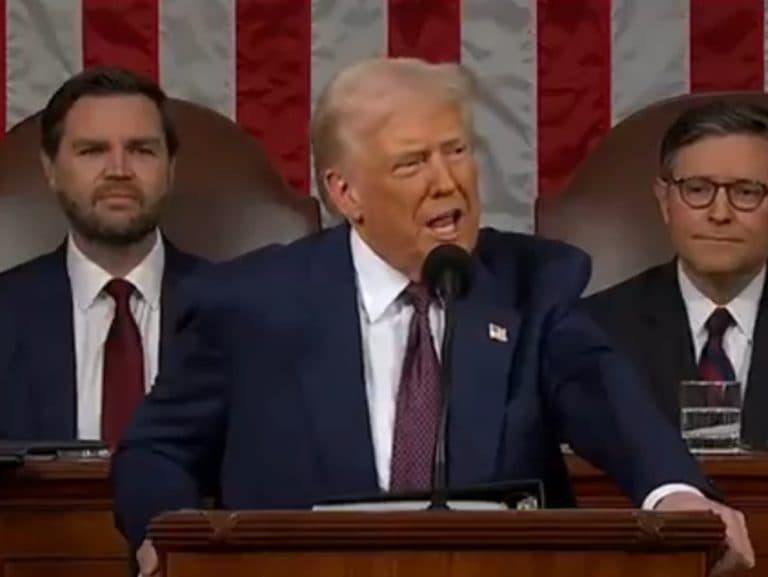
PolitiFact ran a live fact-check of President Donald Trump’s State of the Union address on Feb. 24, drawing on an archive of 1,144 prior fact-checked statements by Trump and publishing a roundup and live updates the following day. The nonpartisan outlet said it monitored the speech in real time, applied its Truth-O-Meter ratings to pre-established claims and pushed immediate updates via a live blog and social platforms.
“Tonight, we’ll draw on that deep archive to check his speech’s accuracy,” PolitiFact said, noting its staff “has already done a lot of work preparing for this address, and we have developed a long list of the things we expect Trump to say.” The organization described its workflow plainly: “When we hear an interesting and checkable statement, the first thing we’ll do is check our fact-checking archive to see if we’ve covered it before. If there’s a match, we’ll let you know almost immediately via our live blog and social media.”
PolitiFact directed readers to follow its live updates on its website and across Facebook, Instagram, Threads, Bluesky, TikTok and X. PBS, which hosted a PolitiFact chat alongside its live stream, highlighted the outlet’s broader record on administration promises, reporting that PolitiFact’s promise tracker found 19 percent of Trump’s campaign pledges fulfilled while many others remain stalled or broken.
The fact-checking operation ran alongside traditional broadcasts and the White House live stream, which began at 9 p.m. EST on the White House’s YouTube channel. PolitiFact emphasized that its live blog and social posts would be the primary audience-facing deliverables during and immediately after the address, with a fuller roundup released on Feb. 25.

PolitiFact’s archive size and real-time methodology matter because presidential speeches routinely include rapid-fire claims about economic performance, legislative progress and the status of campaign commitments. For markets and policy watchers, the distinction between assertion and verified data can shape everything from bond yields to corporate guidance. Rapid correction of inaccuracies reduces the information gap that can amplify knee-jerk trading or harden policy perceptions, though analysts caution that market moves ultimately hinge on specifics such as growth, inflation and legislative prospects rather than rhetorical claims alone.
The deployment of live fact-checking also underscores a longer trend in political reporting: a shift from post hoc verification to immediate accountability. By preparing a “long list” of expected claims and checking against an extensive archive, PolitiFact is betting that speed combined with archival context increases the accuracy and usefulness of its ratings for both voters and news consumers.
For readers seeking to follow the coverage, PolitiFact invited subscriptions and direct notifications. “Follow along with our live fact-checking here on our website and across our social media channels, including on Facebook, Instagram, Threads, Bluesky, TikTok and X (formerly Twitter),” the organization said, adding the call to action: “Get PolitiFact in your inbox.”
This article was produced by Prism’s automated news system from verified source data, official records, and press releases, then run through automated quality and moderation checks before publishing. The system is built and supervised by the people who set the standards it runs under. Read our full AI policy.
Did this article answer your question?

