Polymarket faces insider-trading scrutiny after suspiciously timed bets in key markets
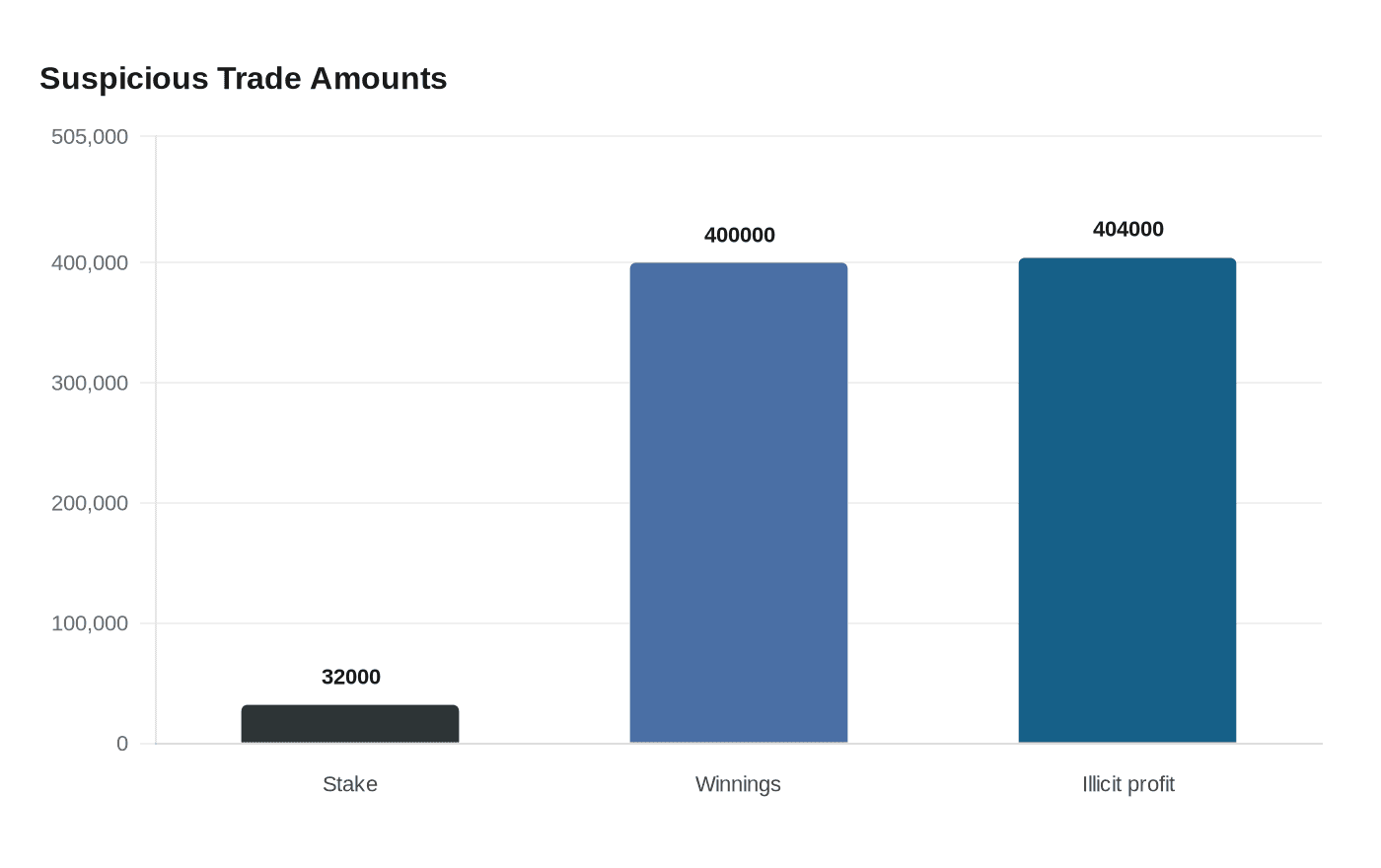
Suspicious Polymarket bets turned roughly $32,000 into more than $400,000, accelerating federal scrutiny of who polices prediction-market abuse.

Polymarket’s fast-growing market for wagers on war, politics and crypto is facing a sharper question than whether its odds are right: whether some of its biggest winners were trading on information the public did not have. Dozens of long-shot bets on the platform, from the war with Iran to the cryptocurrency market, have defied the odds and fueled suspicions that the line between forecasting and insider trading is getting thinner.
The stakes are high because Polymarket has become one of the largest prediction markets in the world and prices contracts from 0 to 100 cents as implied probabilities. That model depends on open, informed trading. But in early January 2026, a Polymarket contract tied to Nicolás Maduro drew scrutiny after a trader reportedly put in roughly $32,000 to $32,537 and later walked away with more than $400,000 to $436,000 after the market moved. The trade ignited public accusations of insider trading and a fast political response in Washington.

On January 9, Rep. Ritchie Torres and more than 30 members of Congress introduced the Public Integrity in Financial Prediction Markets Act of 2026, an attempt to bar officials and other covered figures from profiting off prediction markets. Senate Democrats and Republicans later advanced competing proposals as lawmakers increasingly treated event contracts less like novelty wagers and more like a market-integrity problem with national-security implications. Markets tied to wars, deaths and government actions can reward people who know too much, too early.
The enforcement picture shifted again on February 25, when the Commodity Futures Trading Commission’s Division of Enforcement issued a prediction-markets advisory after public release of two cases involving misuse of nonpublic information and fraud on KalshiEX. The message was clear: insider-trading theories can apply to event contracts. Polymarket responded on March 23 with updated market-integrity rules across both its decentralized finance platform and its U.S. exchange, but the biggest shock came a month later.
On April 23, the CFTC and the U.S. Attorney’s Office for the Southern District of New York unsealed a case against Gannon Ken Van Dyke, an active-duty U.S. Army Special Forces master sergeant, alleging he used classified information about an operation involving Maduro and Cilia Flores to make more than $404,000 in illicit profits on Polymarket. In late April, Polymarket added Chainalysis to help monitor trading patterns and flag suspicious activity. The platform’s public blockchain makes trades unusually traceable, but these cases suggest visibility alone is not enough to stop abuse. The broader fight now is not just over one betting site, but over which rules govern prediction markets when money, secrets and public events collide.
This article was produced by Prism’s automated news system from verified source data, official records, and press releases, then run through automated quality and moderation checks before publishing. The system is built and supervised by the people who set the standards it runs under. Read our full AI policy.
Did this article answer your question?