Warsh poised to reshape Fed communications, inflation strategy, public face
Kevin Warsh could push the Fed toward fewer speeches and less guidance, but borrowers may wait months or years to feel any payoff.
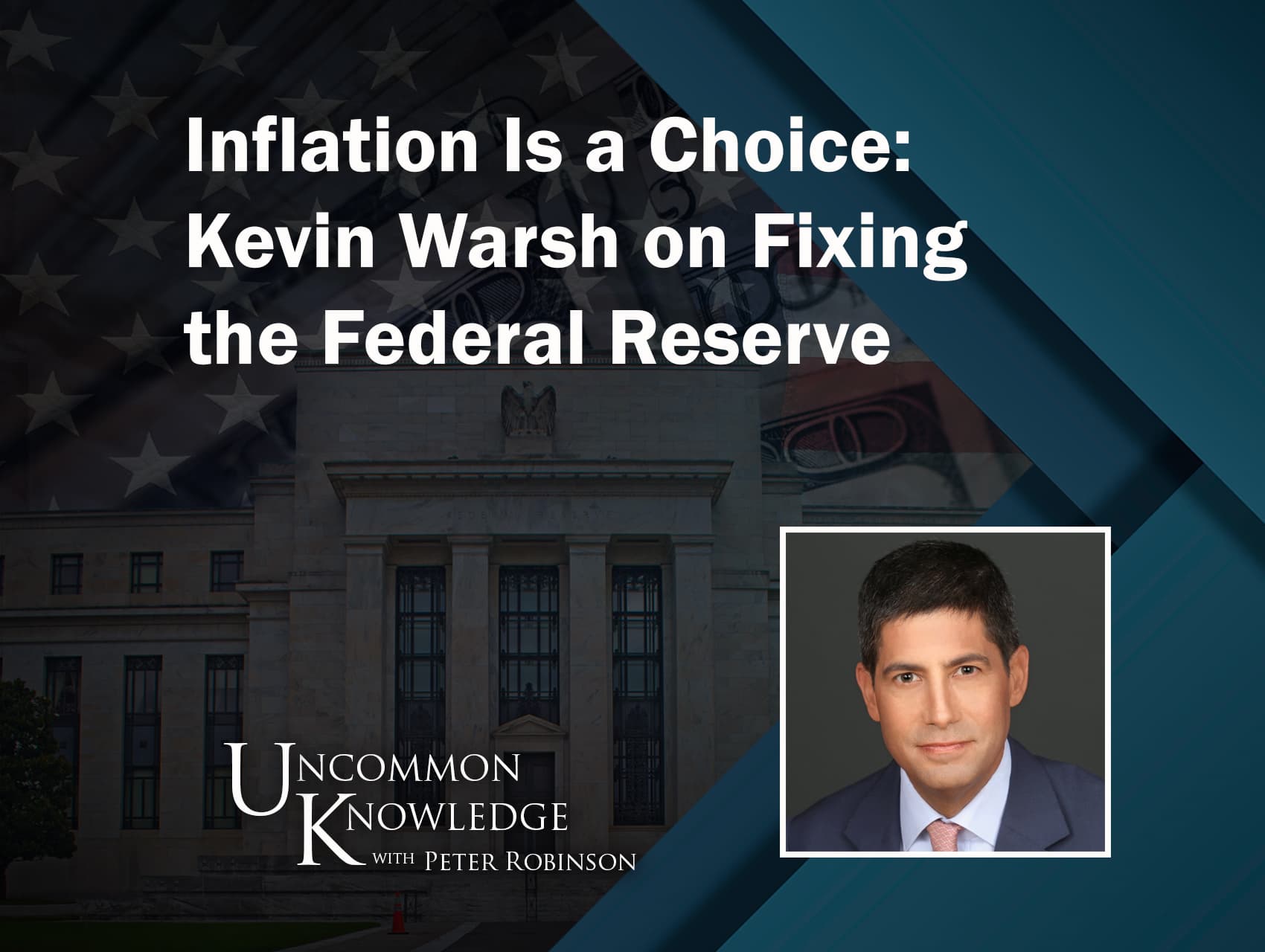
Kevin Warsh is poised to take over a Federal Reserve that holds about $6.7 trillion in assets and still speaks to markets with a level of detail built up over more than a decade. His allies and critics alike say he wants to change that, but the real-world effect for mortgages, corporate debt and inflation watchers may be slow to arrive.
Warsh, 56, left the Fed 15 years ago in opposition to expansive bond-buying, and now returns with a reform agenda aimed at communications, inflation surveillance and the central bank’s public face. His vision points toward fewer press conferences, less forward guidance and a more restrained style of central banking than the one that took hold after the 2007-09 financial crisis. The Fed’s press conference tradition began in 2011, and its 2025 review of monetary policy strategy, tools and communications, announced in November 2024, is still underway, which means any major shift would have to work through a framework the Fed has spent years building.
The balance sheet he inherits remains a symbol of that post-crisis era. The Fed said total assets were about $6.7 trillion as of March 26, 2025, down from about $7.1 trillion six months earlier, after years of emergency support and then gradual runoff. Warsh’s skepticism about emergency intervention is well known, and former Fed governor Randall Kroszner said Warsh has plenty of ideas but that it is not a matter of simply saying “off with their heads” and shrinking the balance sheet overnight.
Warsh has also signaled discomfort with how much of the Fed’s internal debate reaches the public. He has questioned the routine release of meeting transcripts, arguing that they can undercut candor inside the Federal Open Market Committee. At his April 21, 2026 confirmation hearing, Warsh told senators he wanted a “regime change” in monetary-policy conduct. Six former Fed officials interviewed for a separate CNBC report said his ideas about Fed independence were confusing or worrisome, especially given suggestions that a Fed-Treasury accord could reshape how the central bank uses its balance sheet in crises.
The political backdrop is just as combustible. Donald Trump has repeatedly clashed with Jerome Powell, demanded lower interest rates, tried to fire Governor Lisa Cook and was backed by a Justice Department investigation into Powell that has since been closed. Powell’s eight-year term as Fed chair ends Friday, May 15, 2026. In his final April 29 press conference, Powell said inflation had moved up and remained elevated, while the committee kept the federal funds target range unchanged at 3.5% to 3.75%, as it had on January 28, 2026.
That is the gap Warsh would have to close: institutional ambition versus practical payoff. Changing the Fed’s tone, its inflation lens and its willingness to talk less could alter how investors price risk and how borrowers read future policy, but those effects would likely unfold over months or years, not by the next monthly bill.
This article was produced by Prism’s automated news system from verified source data, official records, and press releases, then run through automated quality and moderation checks before publishing. The system is built and supervised by the people who set the standards it runs under. Read our full AI policy.
Did this article answer your question?