Polymarket sues Michigan AG to block state enforcement of prediction markets
Polymarket filed for injunctive relief March 4, 2026, arguing federal law preempts Michigan enforcement one day after the state sued rival Kalshi.
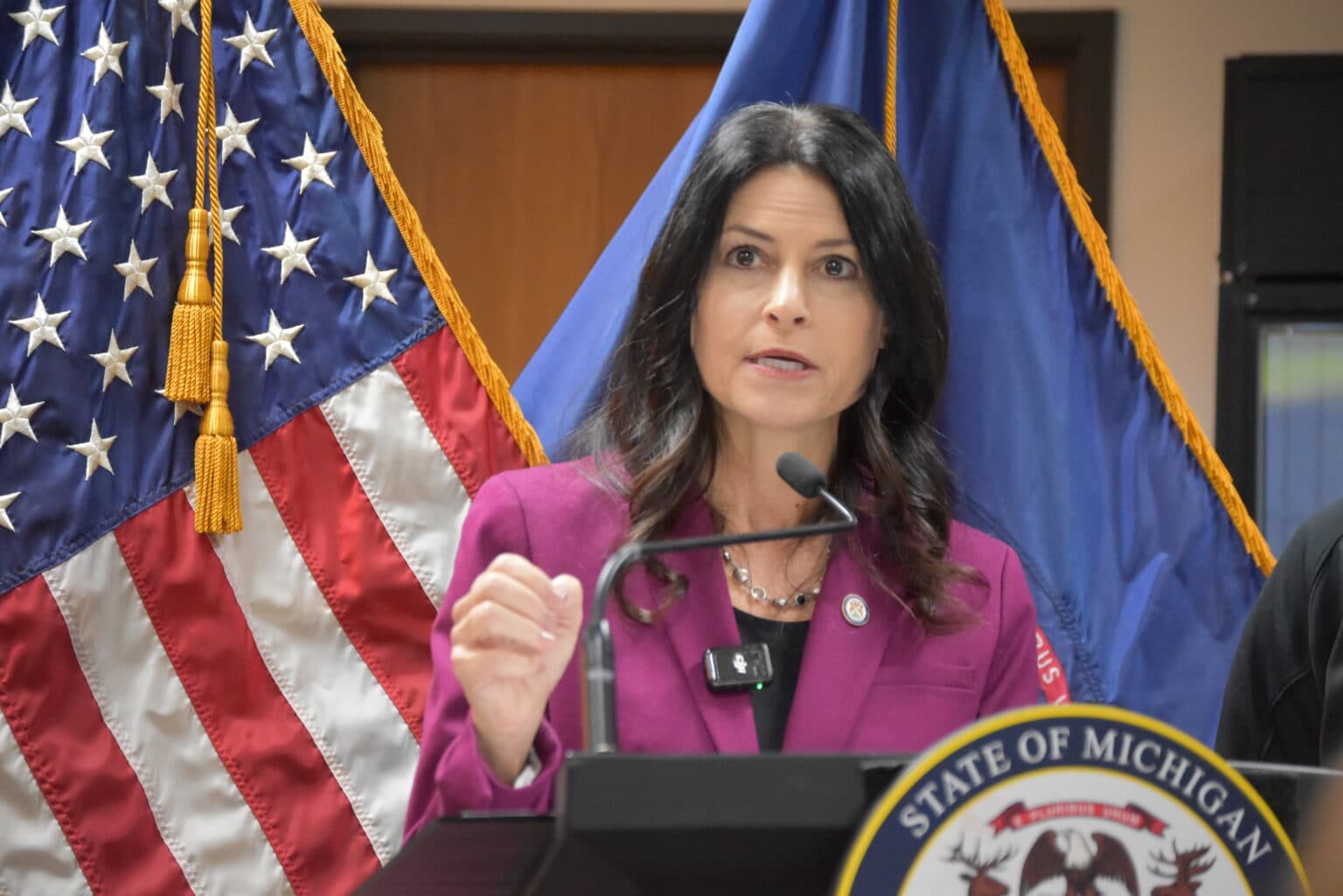
QCX LLC, doing business as Polymarket, filed a federal lawsuit in the U.S. District Court for the Western District of Michigan on March 4, 2026, seeking injunctive relief against Michigan Attorney General Dana Nessel and the Michigan Gaming Control Board. The complaint asks the federal court to bar what Polymarket characterizes as a threatened state enforcement campaign against prediction-market platforms and frames the filing as a preemptive legal challenge to state authority.
Polymarket’s central claim is that state officials lack power to regulate or shut down its markets because regulatory authority over these instruments resides with the federal Commodity Futures Trading Commission. The complaint states, "This action demonstrates Defendants’ willingness to use state law to shut down federally authorized markets despite clear federal preemption." The suit also says it seeks to prevent an "immediate and concrete" threat of enforcement action by Michigan officials.
The filing came one day after Michigan’s office initiated a civil enforcement action against rival prediction-market operator Kalshi in Ingham County Circuit Court. The Michigan action increased an already concentrated legal fight: Kalshi is now in court with 10 states and faces related claims from Indian tribes in California and Wisconsin. That cluster of litigation has raised a central set of questions for courts and regulators: can a federally regulated market provider bypass state gambling laws, do contracts tied to sporting events amount to sports betting under state law, and whether federal authorization through agencies such as the CFTC displaces state authority over gambling.
The dispute follows a string of high-stakes confrontations in Nevada and federal appeals courts. A federal appeals court denied Kalshi a stay, after which the Nevada Gaming Control Board sued Kalshi and Polymarket in state court. Kalshi and Polymarket sought to remove those cases to federal court; a federal judge in Nevada, Judge Miranda Du, rejected the removal and sent the matters back to state court. A Nevada judge has prohibited Kalshi and Crypto.com from operating in the state, and both platforms are no longer available to Nevada residents. Polymarket U.S., operating in an invitation-only beta, exited Nevada last month. At a joint Nevada enforcement hearing, a Polymarket lawyer said, "We Are The Regulator," underscoring the companies’ argument that federal oversight should govern these markets.

The litigation raises immediate practical consequences for consumers and state regulators. Consumers in states that bring enforcement actions can lose access to platforms overnight, as happened in Nevada. States argue prediction markets operate without state licenses and without paying state gaming taxes, putting those operators in violation of state gaming statutes; market operators counter that federal rules and the CFTC’s remit preempt state enforcement.
Polymarket’s federal filing makes injunctive relief the front-line issue: a federal court will now weigh whether the Constitution’s preemption principles protect prediction markets from state-law enforcement, or whether states retain the power to regulate or prohibit these products within their borders. Observers tracking the litigation note that the accumulation of competing state suits could push the question to the U.S. Supreme Court if divergent rulings persist.
The case will be closely watched by market participants, state regulators and the CFTC because its outcome will determine whether prediction markets operate under a unified federal framework or remain subject to a patchwork of state prohibitions and enforcement efforts.
This article was produced by Prism’s automated news system from verified source data, official records, and press releases, then run through automated quality and moderation checks before publishing. The system is built and supervised by the people who set the standards it runs under. Read our full AI policy.
Did this article answer your question?

