Pope Leo visits secularized Spain, where Catholic identity has faded
Pope Leo XIV found a Spain where Catholic identity has thinned fast, turning his visit into a test of outreach, credibility and political bridge-building.
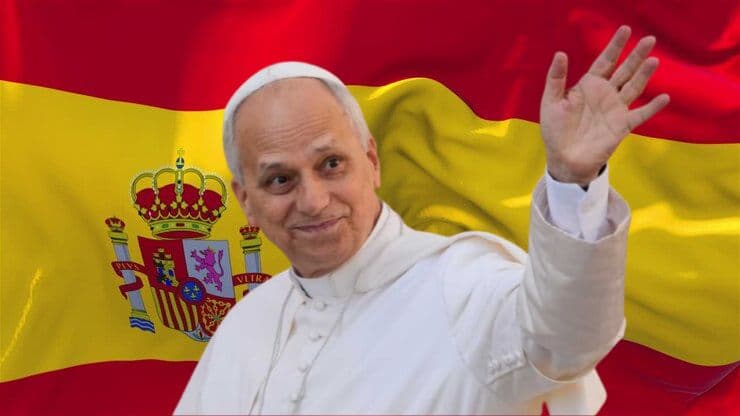
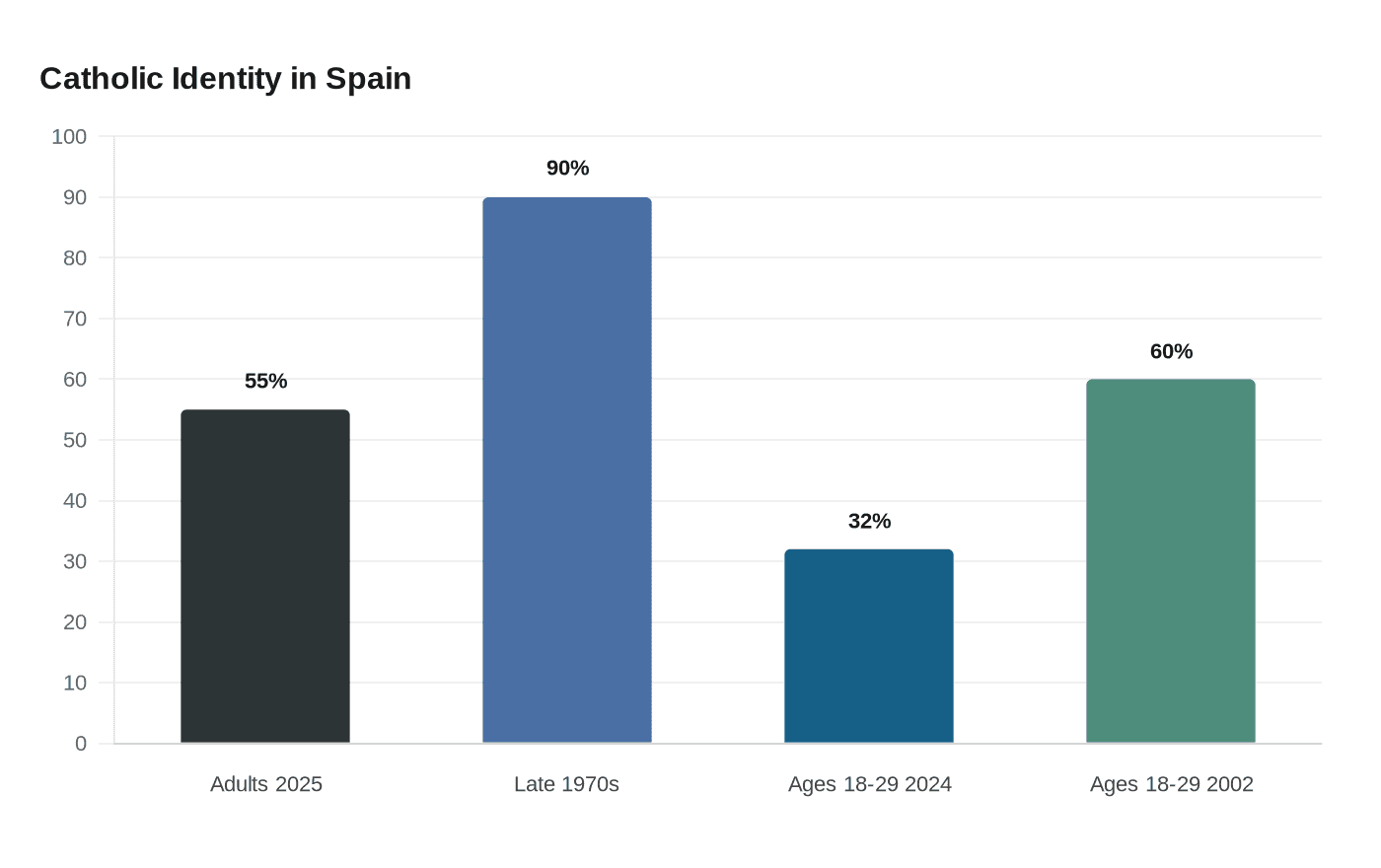
Pope Leo XIV headed to Spain at a moment when the country’s Catholic identity has lost the automatic force it once held. A Funcas-based analysis found that 55% of Spaniards over 18 identified as Catholic in 2025, down from about 90% in the late 1970s, while just 32% of Spaniards ages 18 to 29 said the same in 2024, compared with 60% in 2002.
The numbers point to a rapid social break from the Spain that emerged under Francisco Franco, whose dictatorship was closely tied to the Catholic Church. One recent report said roughly 80% of Spaniards do not attend Mass and only 17% identify as practicing Catholics, a shift that has pushed the church from a central public institution to one voice among many in a secular democracy.
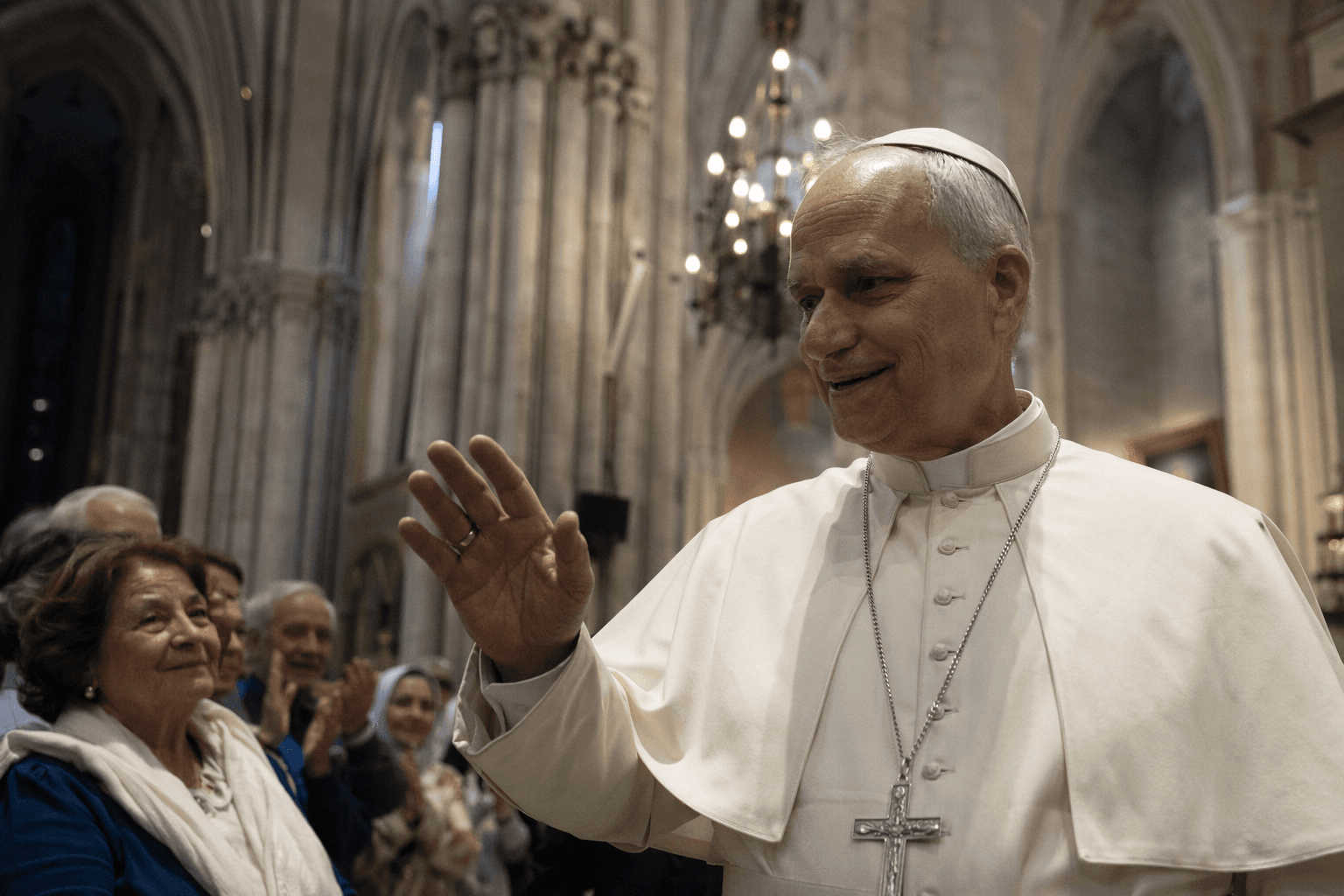
That change has altered life inside the church itself. Spanish bishops have said that being born in Spain no longer automatically means being Catholic, and Archbishop Luis Argüello has put the shift bluntly, saying the time has ended when someone could say, "I am Catholic because I was born in Spain." Some parishes now depend more heavily on foreign priests, including clergy from Africa, as local vocations fall and attendance keeps dropping.
For Pope Leo XIV, Spain offered more than a pastoral stop. It was a case study in whether the papacy can still speak credibly to a society shaped by polarization, generational change and the church’s difficult legacy. The Spanish church still carries cultural weight, but it no longer commands the same authority in public life, especially after decades of debate over the church’s role during and after the Franco era.
The visit also carried political undertones in a country where relations between Prime Minister Pedro Sánchez’s socialist government and the church have often been strained over social policy, religion in public life and the role of the state. That tension gives Leo’s trip a broader meaning: a chance to reach lapsed believers, steady a church wrestling with abuse scandals and declining trust, and test whether dialogue can still bridge a divided Spain.
This article was produced by Prism’s automated news system from verified source data, official records, and press releases, then run through automated quality and moderation checks before publishing. The system is built and supervised by the people who set the standards it runs under. Read our full AI policy.
Did this article answer your question?