Pope Leo warns AI must not weaken human dignity or relationships
Pope Leo XIV’s first encyclical casts AI as a threat to dignity, trust and human bonds, warning that power must not be concentrated in a few hands.
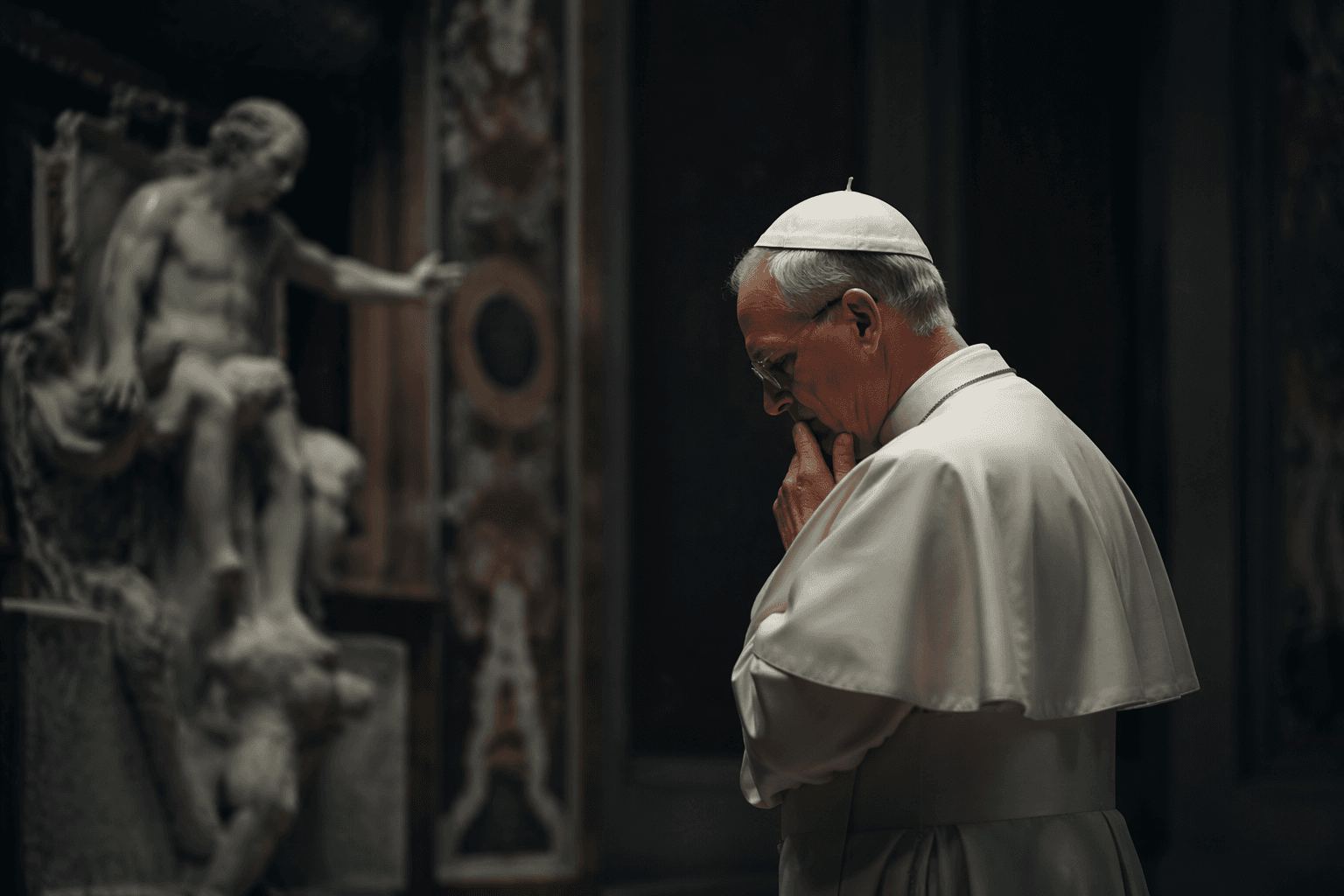
Pope Leo XIV has placed artificial intelligence at the center of a broader fight over human dignity, warning that the technology must not weaken real relationships, deepen inequality or concentrate power in the hands of a few. In his first encyclical, Magnifica Humanitas, the pope argues that AI is not just a technical breakthrough but a social and moral test with consequences for labor, truth, democracy and the common good.
The Vatican published the roughly 42,000- to 42,300-word document on May 25, 2026, after Leo signed it on May 15, exactly 135 years after Leo XIII issued Rerum Novarum, the landmark 1891 text that helped define modern Catholic social teaching. The Vatican presented the encyclical in the New Synod Hall, where Anthropic co-founder Christopher Olah took part in the launch, an unusual sign of direct engagement between the Church and a leading AI company.
At the heart of the document is a warning that AI can deepen inequality and weaken human relationships if it is left to market forces alone. Vatican materials said Leo framed the issue as one of social justice and human flourishing, insisting that technology should advance without undermining the human heart or human consciousness. He also called for AI to be “disarmed” from logics of domination, exclusion and war.
The encyclical lands at a moment when chatbot intimacy, automated misinformation and algorithmic manipulation are already shaping daily life. Leo’s message reaches beyond the Vatican because it speaks to anxieties now felt far outside religious circles: whether machines that mimic empathy can substitute for friendship, whether synthetic content can erode trust, and whether a handful of companies will control systems that influence speech, work and politics.
Catholic commentators greeted the text as a major development in Catholic social teaching, linking it directly to the tradition launched by Rerum Novarum. In tech circles, reaction was more mixed, with the document seen as a serious challenge to the idea that AI can be treated as morally neutral. However it is received, Magnifica Humanitas positions the Church squarely in a national and global debate over who controls AI and what human values will shape it.
This article was produced by Prism’s automated news system from verified source data, official records, and press releases, then run through automated quality and moderation checks before publishing. The system is built and supervised by the people who set the standards it runs under. Read our full AI policy.
Know something we missed? Have a correction or additional information?
Submit a Tip