Pope Leo XIV Champions Christian Unity in Historic İznik and Istanbul
Pope Leo XIV is in Turkey to mark the 1,700th anniversary of the Council of Nicaea, calling on Christians to overcome “the scandal of divisions” and to pursue greater unity. The visit blends ecumenical symbolism with interreligious outreach and could have measurable effects on diplomacy, tourism, and regional reconciliation efforts.
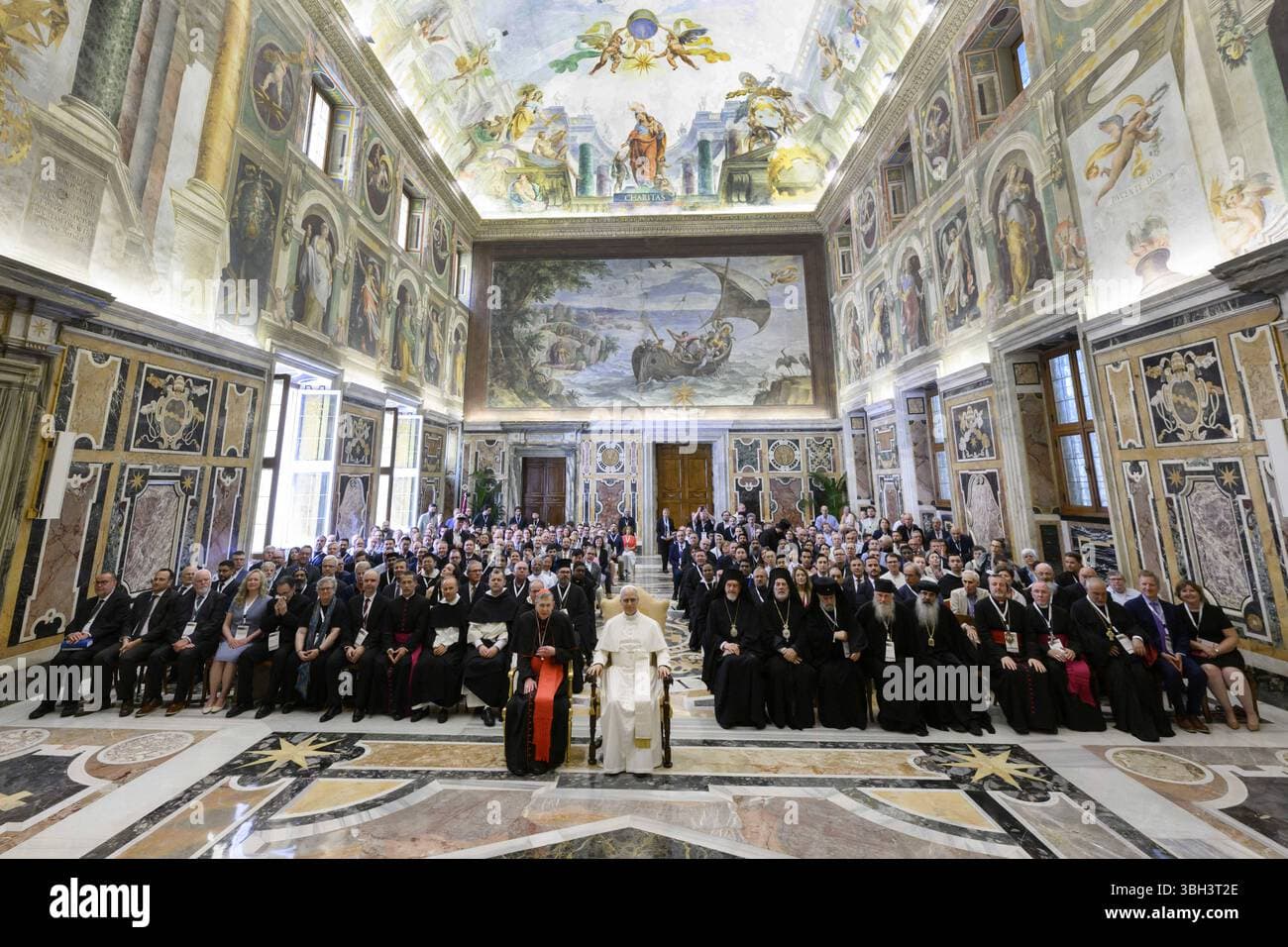
Pope Leo XIV is in İznik and Istanbul for a two day pilgrimage and diplomatic mission centered on the 1,700th anniversary of the First Council of Nicaea. The visit, timed to Nov. 28 and 29, brings the leader of the Roman Catholic Church to sites tied to one of Christianity’s defining moments and to meetings with the Orthodox hierarchy in Turkey’s largest city. It is intended to press a longstanding Vatican priority, healing centuries old schisms while also drawing attention to contemporary conflicts where religious identity has been a factor.
On Nov. 28 the pope led an ecumenical prayer service at the archaeological site of the ancient basilica of Saint Neophytos in İznik. The next day’s agenda in Istanbul includes meetings with local Christian leaders and the Orthodox hierarchy, a scheduled joint declaration with Ecumenical Patriarch Bartholomew I at the Patriarchal Palace, interreligious outreach that includes a visit to the Blue Mosque, and a large Mass in the city. In his public remarks the pope appealed to believers to overcome “the scandal of divisions,” framing unity as a moral and practical imperative for Christians confronted by wars, displacement and social fragmentation.
The trip is highly symbolic and also pragmatic. Ecumenical rapprochement between Rome and Constantinople has been gradual since the Second Vatican Council in the 1960s, with successive papal gestures aimed at reducing theological and institutional distance. A formal joint declaration with the Ecumenical Patriarch would mark a diplomatic milestone with potential downstream effects. For Ankara, hosting high profile religious diplomacy underscores Turkey’s role as a crosscontinental capital and offers soft power benefits in a delicate geopolitical neighborhood.
There are modest economic implications as well. Religious tourism and high profile visits drive short term demand for hotels, transport and local services. Tourism has been one of Turkey’s significant foreign exchange earners in recent years, accounting for roughly one tenth of economic output when direct and indirect effects are included. A papal visit can also spotlight smaller historic sites like İznik, creating longer run heritage tourism opportunities that matter for regional development and conservation funding.
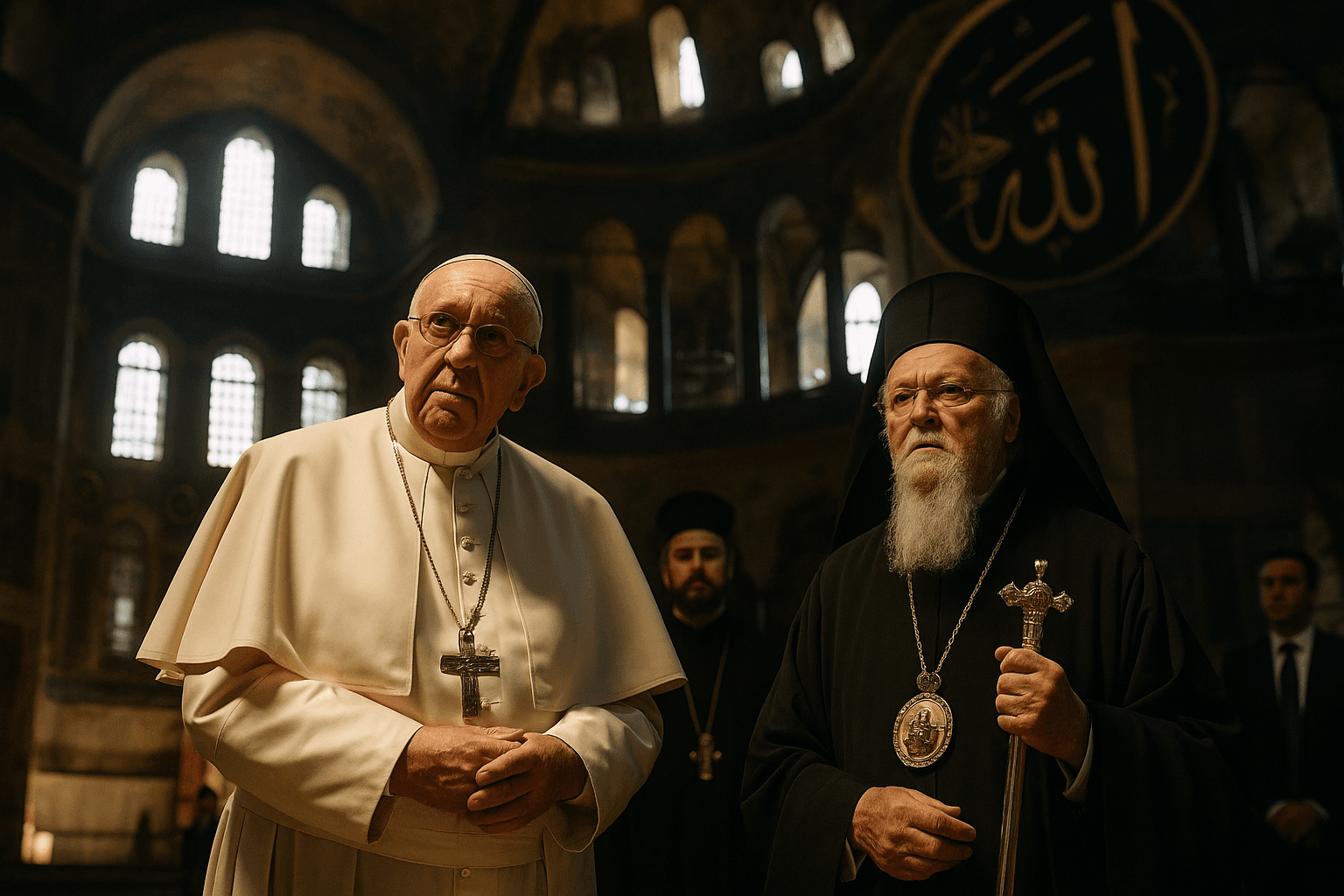
Policy consequences extend beyond tourism. A visible Vatican push for Christian unity and interfaith dialogue creates leverage for international cooperation on cultural property protection, minority rights and humanitarian access in conflict zones. The pope’s emphasis on reconciliation could encourage European and regional capitals to link cultural diplomacy to migration and aid policies, particularly where millions of displaced people remain in the region.
Financial markets are unlikely to register material moves from a religious visit, but the broader signal of reduced sectarian friction can be constructive for investor sentiment if it translates into more predictable social and political environments. Over the longer term sustained ecumenical engagement, combined with interreligious outreach, could shave structural risks tied to identity based tensions and support stability that underpins economic growth.
The visit positions religious leaders as actors in diplomacy and social repair. Whether the symbolic momentum yields durable policy shifts will depend on follow through from national governments, religious institutions and international partners focused on peace building and protecting vulnerable communities.
This article was produced by Prism’s automated news system from verified source data, official records, and press releases, then run through automated quality and moderation checks before publishing. The system is built and supervised by the people who set the standards it runs under. Read our full AI policy.
Did this article answer your question?


