Pope Leo XIV urges justice and equality in Equatorial Guinea Mass
At a basilica in Mongomo, Pope Leo XIV pressed Equatorial Guinea's ruling family on justice, equality and prison abuse in one of Africa's most unequal states.
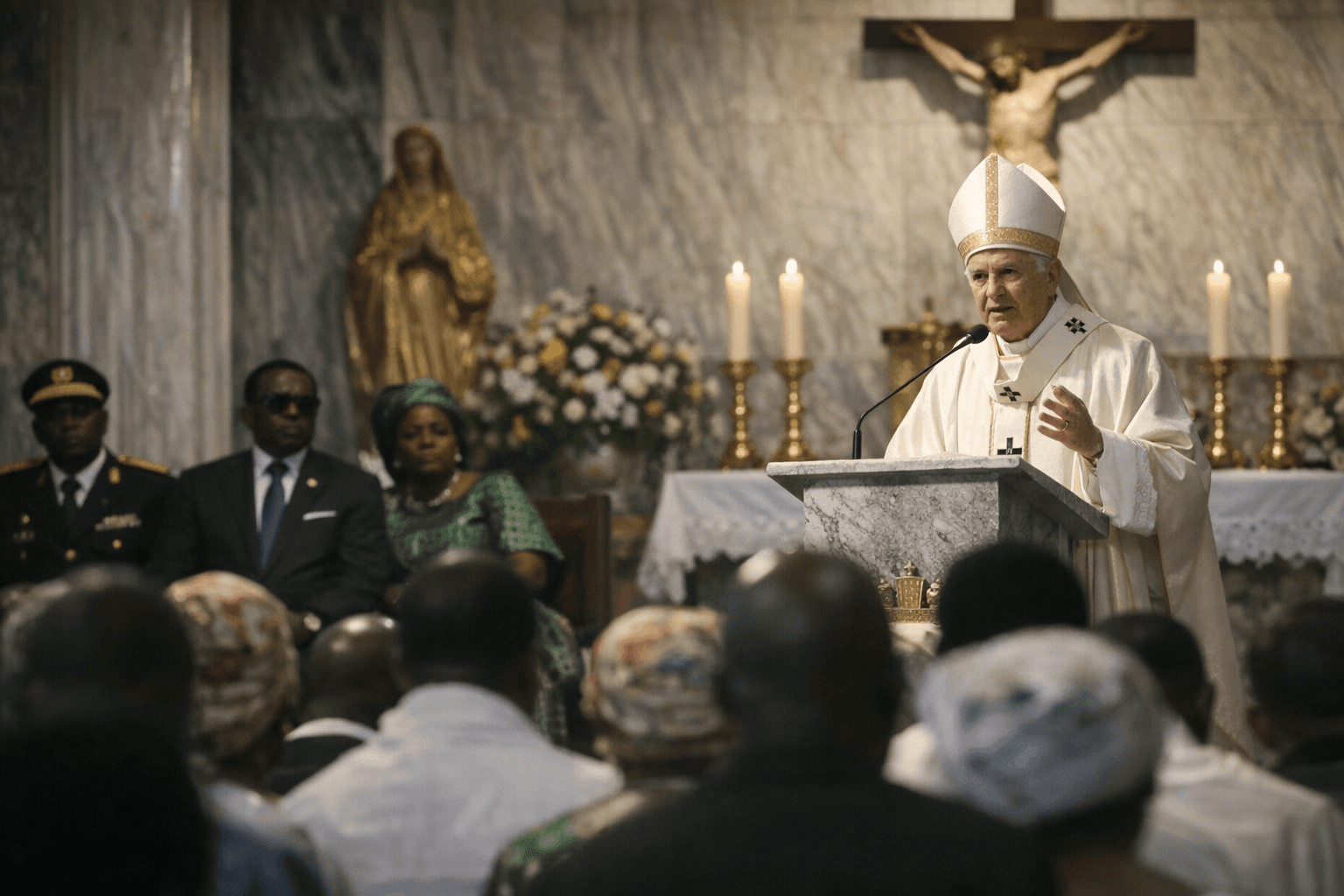
Inside the Basilica of the Immaculate Conception in Mongomo, Pope Leo XIV delivered a message that landed directly in front of Equatorial Guinea’s ruling family: a country awash in oil and natural gas could not claim justice while so many people remained shut out of its wealth.
The Mass drew an estimated 100,000 people inside and outside the basilica, the Vatican said, in the eastern city near the Gabon border that is also the birthplace of President Teodoro Obiang Nguema Mbasogo. Obiang attended the service with his son, Vice President Teodoro Nguema Obiang Mangue, placing the pope’s call for fairness before the political dynasty that has dominated the country for decades.
Leo, on the final full day of his 11-day, four-nation Africa journey, urged believers to build a society that serves the common good rather than private interests. He explicitly called for “bridging the gap between the privileged and the disadvantaged,” tying the country’s petroleum and mineral riches to a moral demand for inclusion. He also spoke against wealth inequality and said the faithful should help close the divide between rich and poor.
The setting gave the speech a sharper edge. Obiang has ruled since 1979 and is the world’s longest-serving president, while Equatorial Guinea is widely seen as one of the region’s most repressive states. A Vatican-led papal visit in a country with that record, and in the presence of the president’s family, turned a religious event into an unmistakable rebuke of entrenched power.
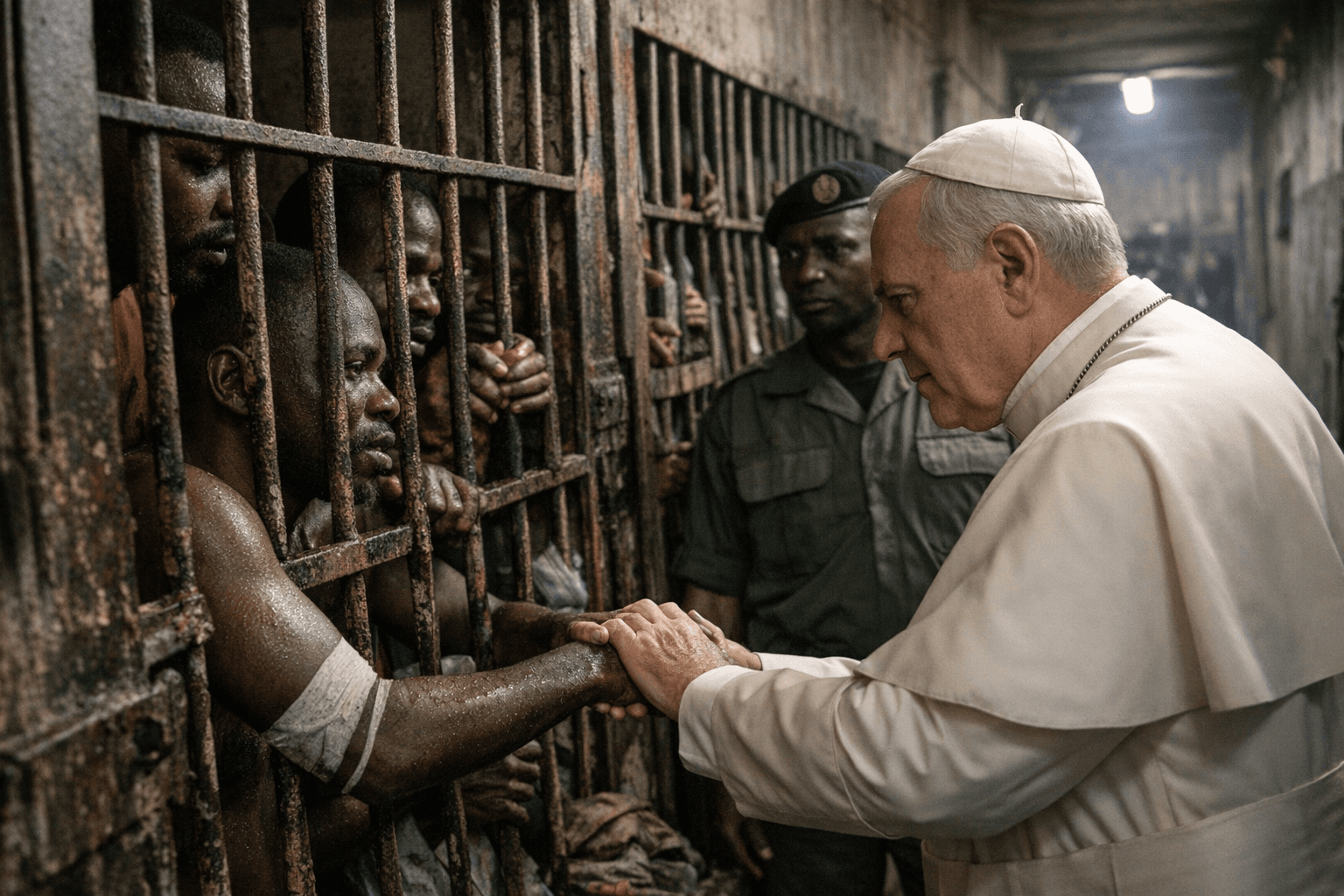
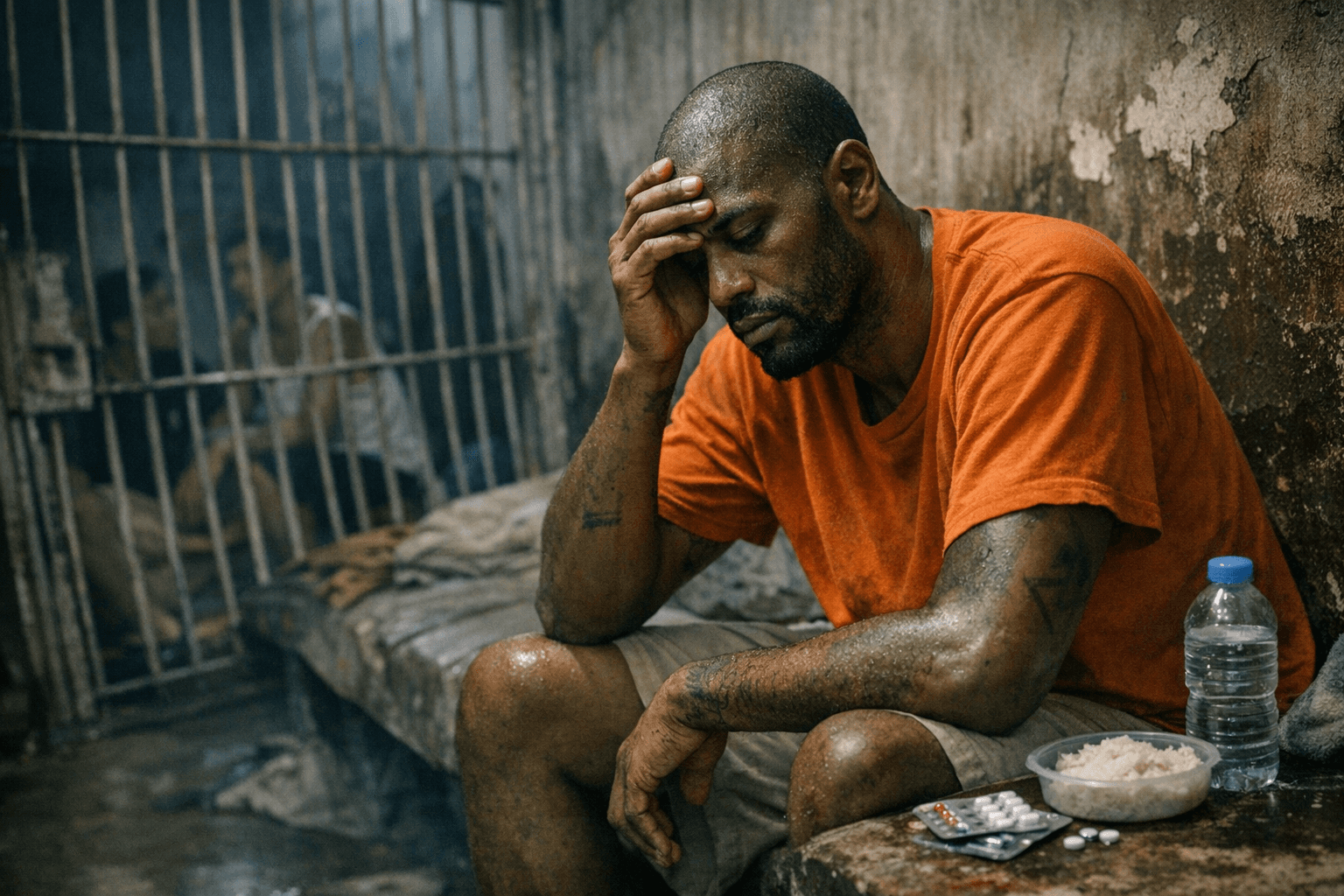
The trip also carried a prison message. Leo planned to visit a high-security prison in Bata, drawing attention to human rights abuses and prison conditions that have long drawn criticism from the United Nations, Amnesty International and the U.S. State Department. The same institutions have cited arbitrary arrests, torture, life-threatening detention conditions and weak judicial independence even after Equatorial Guinea abolished the death penalty in 2022.
The pope’s schedule also included prayer at a memorial for victims of the 2021 Bata barracks explosion, a disaster blamed on negligence. For many critics of the government, that combination of prison scrutiny, memorial prayer and direct talk of inequality underscored how tightly human rights, public wealth and political power remain bound together in Equatorial Guinea.
Not everyone welcomed the visit. Gutïn Bae Tongala, an exile who fled the country in 2002, said he feared the pope’s presence could legitimize the longtime ruler. Leo’s answer, delivered in Mongomo and echoed in Bata, was to press the opposite point: national wealth means little if a country’s institutions keep the disadvantaged outside the common good.
Know something we missed? Have a correction or additional information?
Submit a Tip