Pope Leo XIV’s Africa trip thrills Catholics, but leaves major nations out
Pope Leo XIV’s first Africa trip lit up Equatorial Guinea, but its biggest Catholic nations were left off the map. In Africa’s fastest-growing church, the omissions carried political weight.
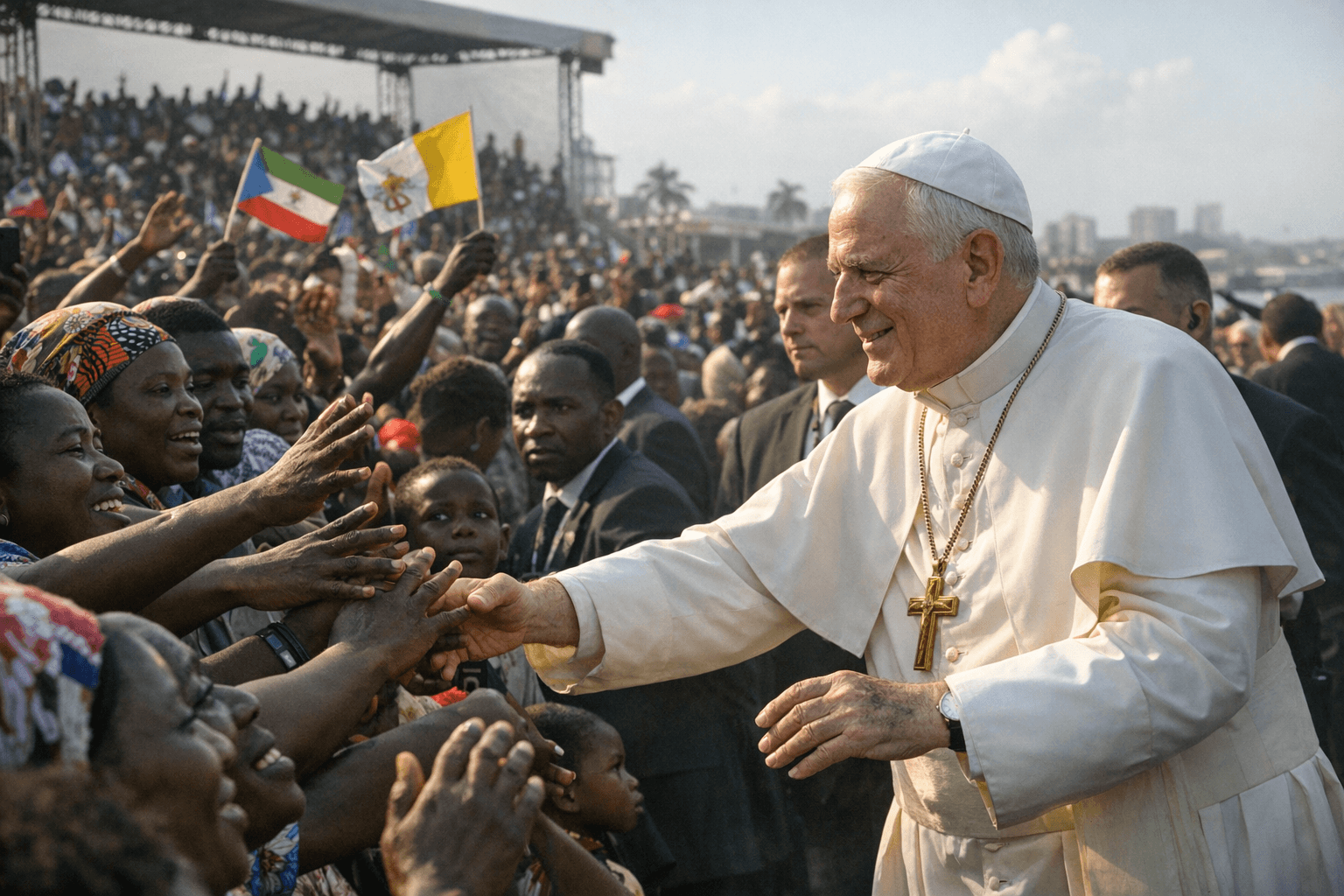
Pope Leo XIV’s first apostolic journey to Africa thrilled Catholics in Equatorial Guinea, but it also sharpened a quieter frustration across the continent: why did the Vatican choose a tiny, heavily Catholic state while bypassing some of Africa’s largest Catholic populations?
The 11-day trip, which ran from April 13 to 23, 2026, took in Algeria, Cameroon, Angola and Equatorial Guinea, with 11 towns and cities and 18 flights on the itinerary. Yet the absence of the Democratic Republic of Congo and Nigeria stood out. Vatican church statistics put the Democratic Republic of Congo at almost 55 million baptized Catholics and Nigeria at 35 million, while Africa as a whole accounted for about 281 million Catholics in 2023, or roughly 20% of the world’s Catholic population.
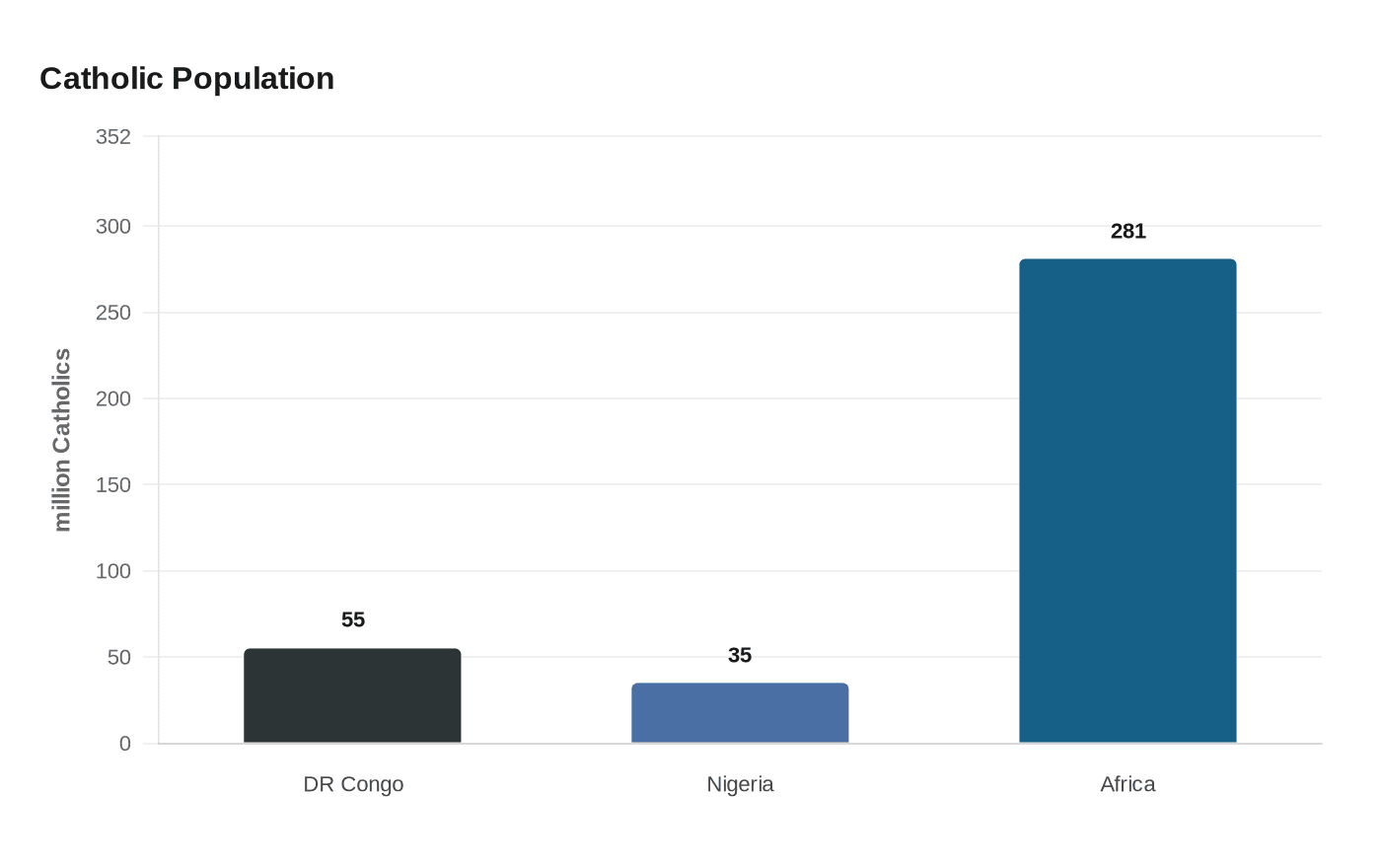
That arithmetic has made the visit feel, to some African Catholics, like a statement by omission. The continent’s church is expanding rapidly, but the places with the largest Catholic flocks were not on the pope’s route. Instead, the Vatican sent Leo to Equatorial Guinea, a country of just a few million people but one that is about 74.8% baptized Catholic, according to a church profile. For many believers there, the choice was a rare sign of attention. For others across Africa, it underscored how visibility in Rome still does not always track with Catholic demographics on the ground.
Equatorial Guinea has not received a papal visit since John Paul II traveled there in 1982, and the trip carried obvious symbolism. Malabo, the main stop for the pope, remains the country’s papal center of gravity even after Equatorial Guinea officially moved its capital to Ciudad de la Paz in January 2026. Vatican News said the country’s oil wealth, discovered in the mid-1990s, transformed the economy but left prosperity unevenly distributed, with poverty still widespread.
The political backdrop is just as stark. The U.S. State Department’s 2024 human-rights report cited torture, arbitrary arrest or detention, censorship, and restrictions on media freedom in Equatorial Guinea. Freedom House describes the country as a highly repressive authoritarian regime under President Teodoro Obiang Nguema Mbasogo, who has held power since 1979. That makes the papal visit more than a pastoral stop: it is a carefully calibrated act of diplomacy, one that places the Vatican inside a difficult political setting while signaling concern for a church that still operates under pressure.
In Malabo, the reaction was hopeful. Vatican News reported local clergy saying the pope’s visit could give Catholics courage and strength, even as they pointed to poverty, political problems, ethnic tensions and the draw of fundamentalist groups. For Africa’s Catholic leaders and faithful, the visit delivered encouragement. It also left a larger question hanging over the continent: in a church where Africa’s share keeps growing, who gets to be seen?
This article was produced by Prism’s automated news system from verified source data, official records, and press releases, then run through automated quality and moderation checks before publishing. The system is built and supervised by the people who set the standards it runs under. Read our full AI policy.
Did this article answer your question?


