Pope Leo’s war and migration warnings embolden American cardinals
Pope Leo’s sharp rebukes on Iran and migrant deportations have given U.S. cardinals fresh cover to challenge Washington on war, borders and Catholic conscience.
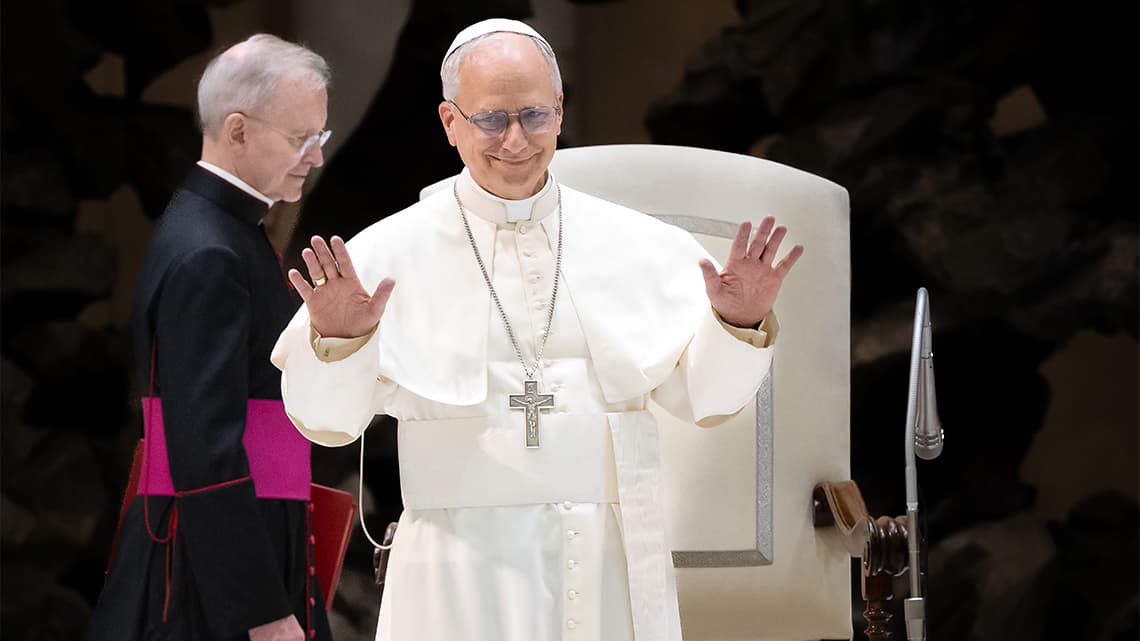
American cardinals are speaking more openly against U.S. war and immigration policy as Pope Leo XIV sharpens the Vatican’s language on both issues. His warnings on Iran and migrants have helped turn scattered criticism into a more coordinated Catholic challenge to Washington.
The shift became visible in January, when Cardinals Blase Cupich of Chicago, Robert McElroy of Washington and Joseph Tobin of Newark issued a rare joint statement on foreign policy. They said the United States was in “a profound debate” over the moral foundation for its actions in the world, linked their argument to Leo’s Jan. 9 “State of the World” address, and cited Venezuela, Ukraine and Greenland as examples of the stakes. The statement called for peace, respect for human dignity and religious liberty, an unusually direct intervention from three of the country’s most prominent churchmen.
Leo has not limited himself to broad moral appeals. On April 7, he said threats against the entire Iranian people were “truly unacceptable” and urged a return to dialogue. Four days later, at a Vatican peace vigil, he denounced the “delusion of omnipotence” he said was fueling the war and pressed political leaders to negotiate peace. That kind of language has given American bishops and cardinals a firmer platform to criticize military escalation without sounding detached from the pope’s own priorities.
Immigration has become the other front. In November, Leo called the treatment of migrants living in the United States for “10, 15, 20 years” “extremely disrespectful.” He also said countries have a right to control borders, but insisted enforcement must remain humane and respect human dignity. The U.S. bishops had already set the stage in a Nov. 12 special pastoral message that opposed “indiscriminate mass deportation of people” and raised alarms about detention-center conditions and limited access to pastoral care.
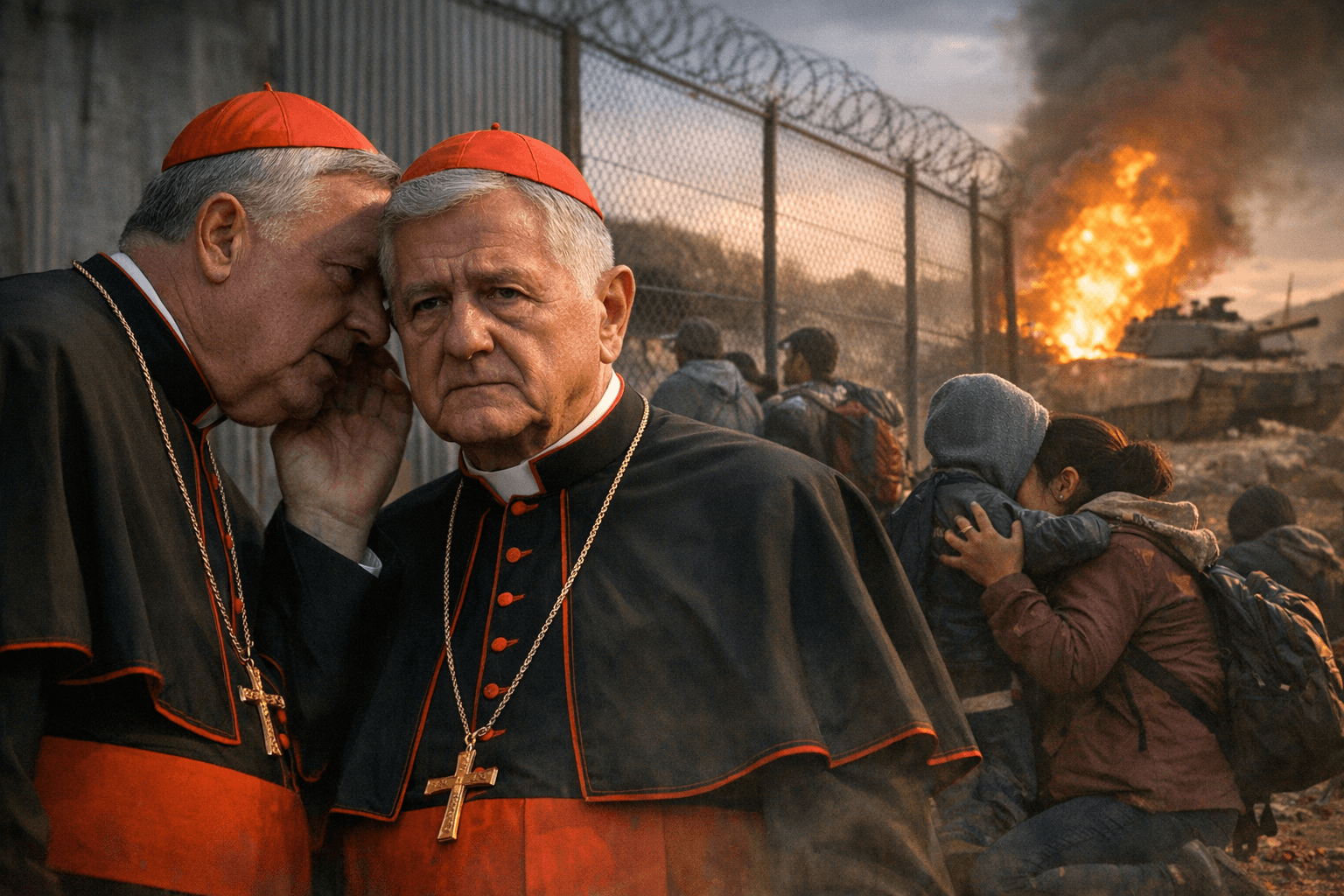
That backing has mattered inside the American hierarchy. Archbishop Alexander K. Sample of Portland said in February that Leo had been a “great source of encouragement and support” for bishops who wanted to speak more strongly for immigrants. In March, McElroy said trying to deport millions of people who have lived in the country for decades was contrary to Catholic faith and basic human dignity. Cardinal Pietro Parolin also called the deadly violence in Minneapolis tied to ICE operations “unacceptable” in January, underscoring that the Vatican’s concern reaches beyond abstract doctrine to the treatment of people in detention and on the street.
For Catholic voters, parish leaders and bishops navigating a polarized electorate, the message is clear: the church is not retreating from public conflict. Under Leo, its leaders are increasingly acting as a moral bloc, pressing peace abroad and restraint at the border while challenging U.S. politics on the terms of human dignity.
This article was produced by Prism’s automated news system from verified source data, official records, and press releases, then run through automated quality and moderation checks before publishing. The system is built and supervised by the people who set the standards it runs under. Read our full AI policy.
Did this article answer your question?

