West Bengal drops nine million voters amid roll revision controversy
West Bengal's rolls shrank by about 91 lakh names, nearly 12% of the electorate, before April's assembly vote. Courts now face a test of whether the purge damaged electoral legitimacy.
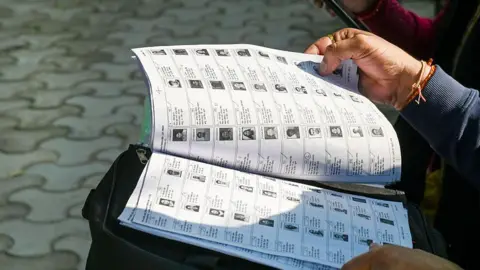
West Bengal removed about 91 lakh voters from its rolls in a Special Intensive Revision that has turned the state’s 2026 election into a fight over who gets counted at all. The electorate fell from 7,66,37,529 in late October 2025 to about 6.75 crore after the cleanup, a drop of roughly 12 percent just as voting approaches in two phases on April 23 and April 29, with results due May 4.
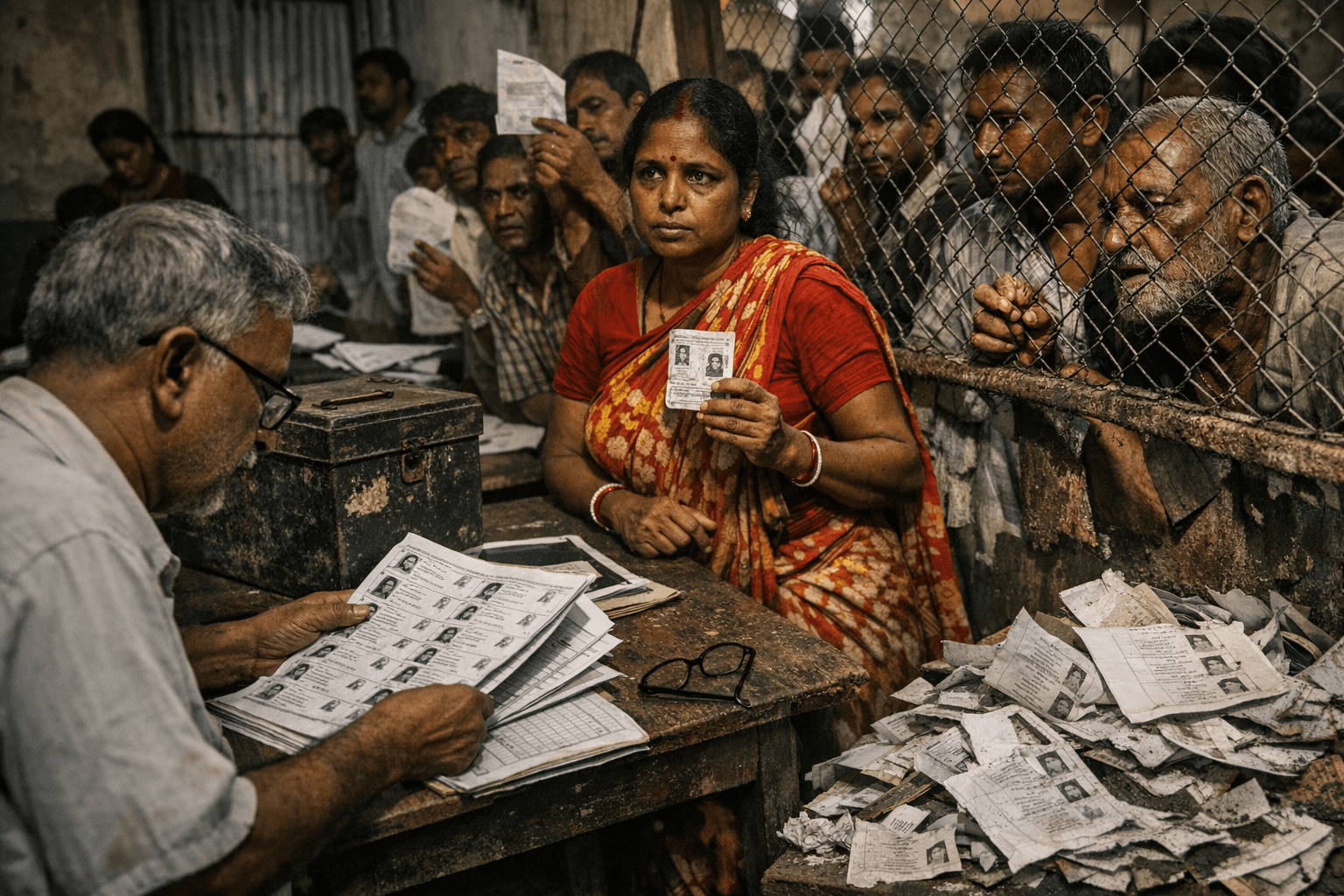
Election Commission data show 63,66,952 names had already been deleted by February 28, 2026. A further 27,16,393 voters were later found ineligible after adjudication, taking total deletions to about 91 lakh. The process placed 60,06,675 voters under review, with 705 judicial officers working under High Court monitoring. Officials said the revision was designed to remove duplicate and outdated entries, but critics argue the scale of the deletions made exclusion, not correction, the defining feature of the exercise.
The biggest losses came in districts where border politics and identity disputes have long been combustible. Murshidabad accounted for 4,55,137 deleted names, the highest in the state, followed by North 24 Parganas with 3,25,666 and Malda with 2,39,375. The controversy has been sharpened by West Bengal’s partly porous India-Bangladesh border, where arguments over migration, documents and alleged "infiltrators" have become central to the political fight. Reporting also showed that many Hindu voters were removed, not only Muslims.
Chief Minister Mamata Banerjee said the Trinamool Congress would move court to reinstate excluded voters and accused the Bharatiya Janata Party of deleting more than 90 lakh names to help it seize power. She cast the dispute as a struggle for the "survival" and identity of Bengal’s people. Chief Election Commissioner Gyanesh Kumar said the goal was a "pure electoral roll" and insisted that no eligible voter should be left out.
For voters caught in the revisions, the stakes were immediate. Muhammad Daud Ali, a former Indian army technician, said his name and those of his three children were removed despite documents including a passport and service records, leaving only his wife on the list. As tribunals and courts handle appeals, the fight over restored names has become a test of whether the next vote can be trusted before a single ballot is cast.
This article was produced by Prism’s automated news system from verified source data, official records, and press releases, then run through automated quality and moderation checks before publishing. The system is built and supervised by the people who set the standards it runs under. Read our full AI policy.
Did this article answer your question?

