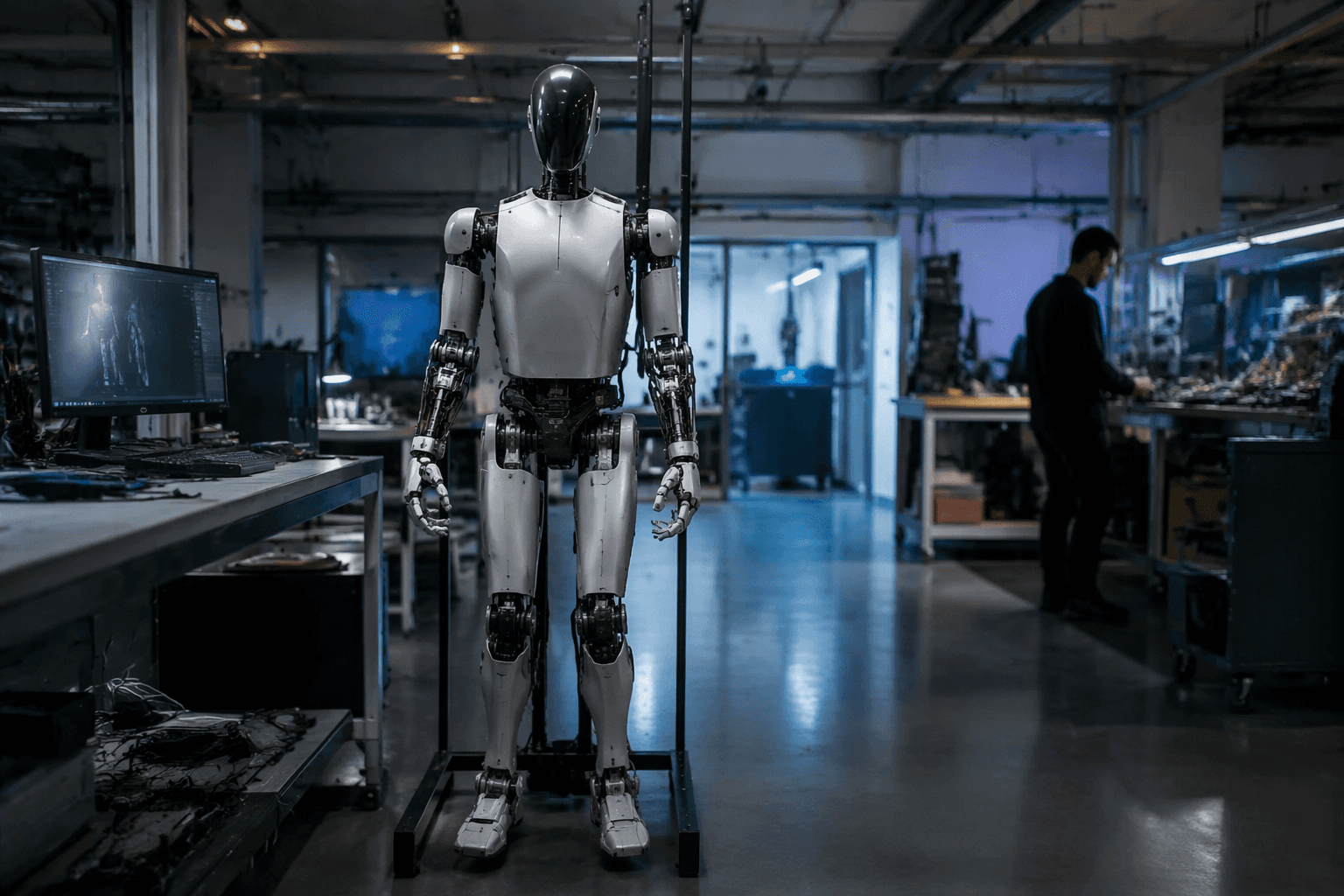
Porsche's 1900 hybrid concept predated Toyota Prius by a century
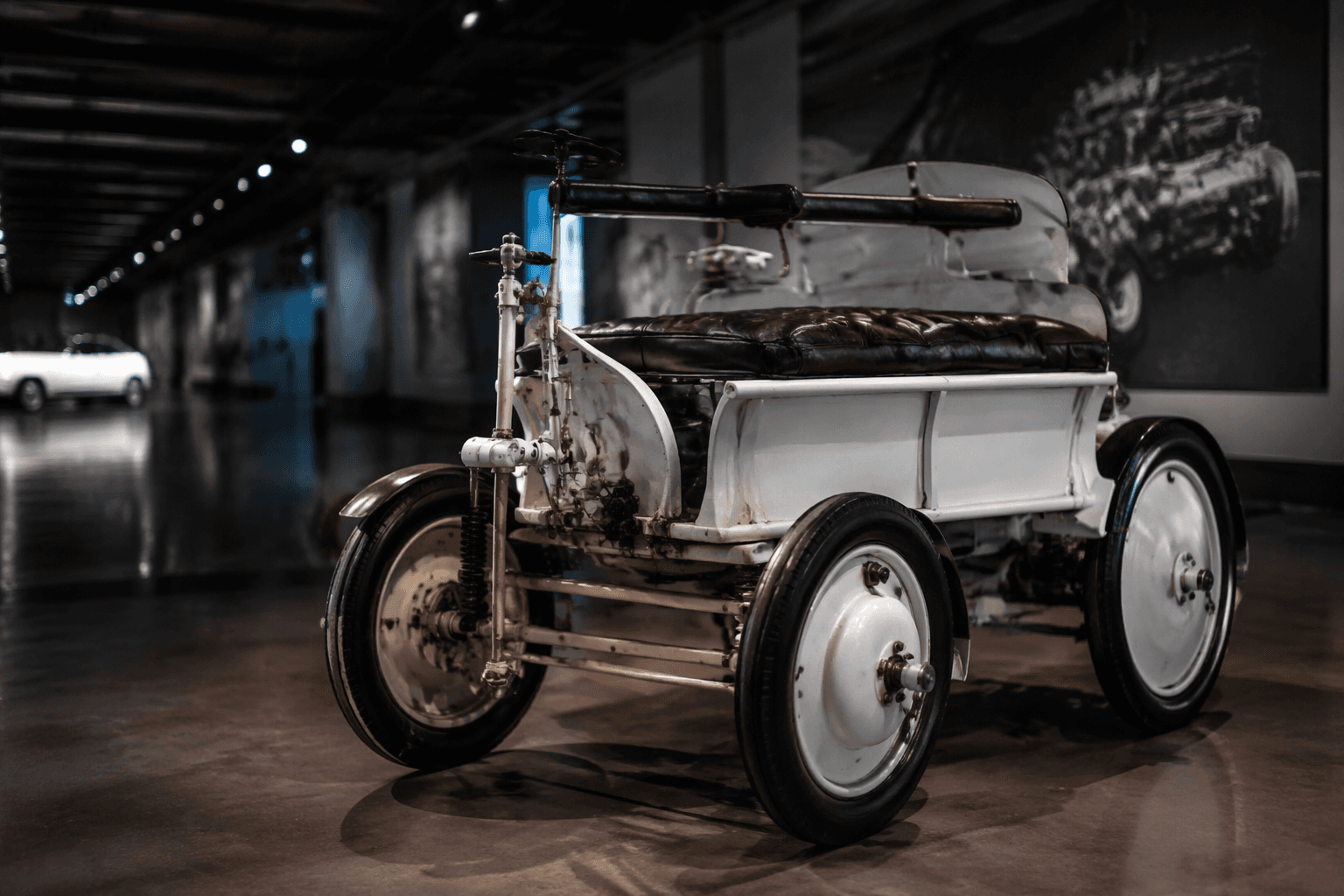
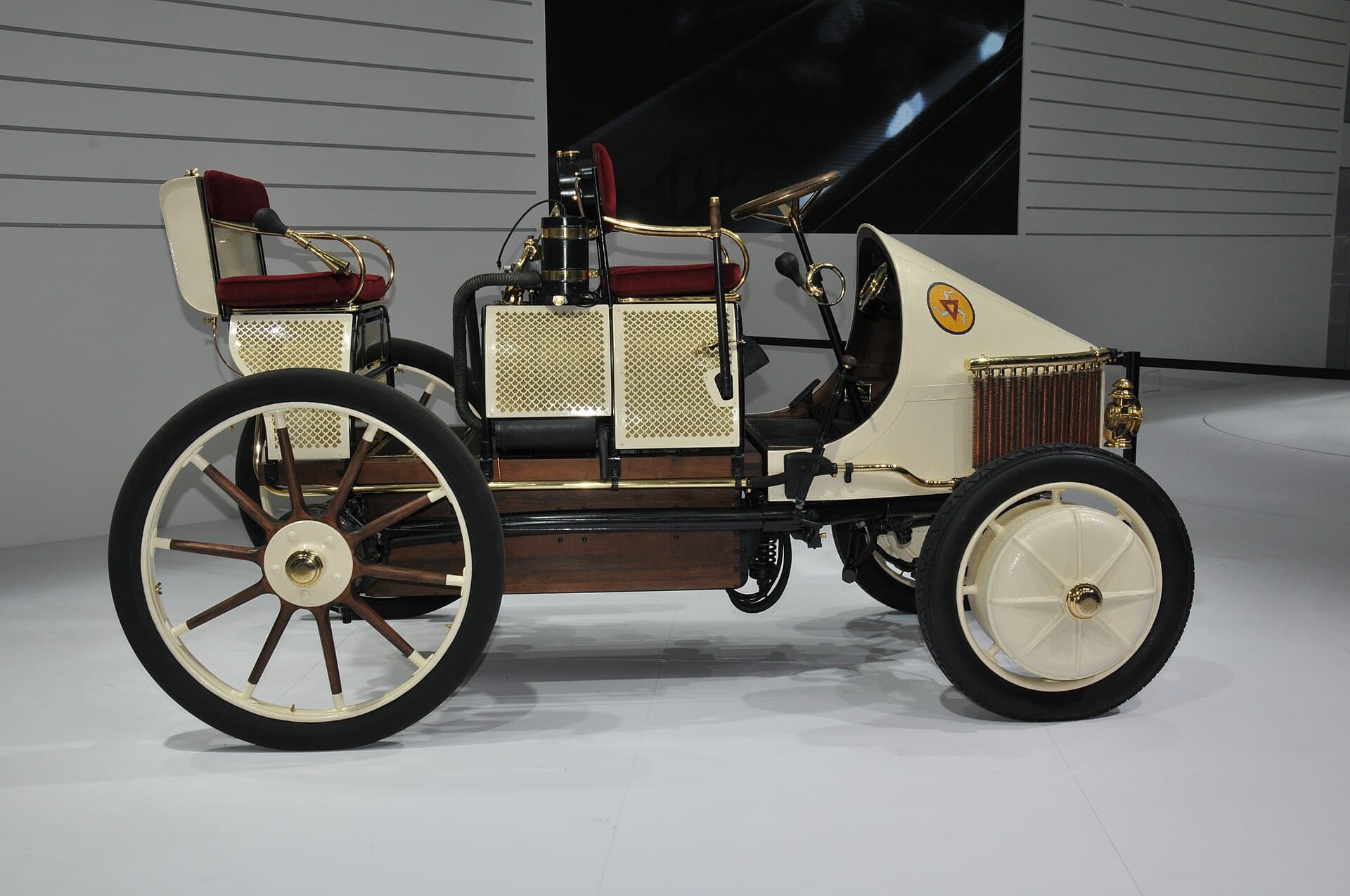
Porsche’s Semper Vivus used wheel-hub motors, battery recharging and regenerative braking in 1900, a century before the Prius made hybrids mainstream.

Ferdinand Porsche had already wired his parents’ house for electric light in 1893, the same year he joined Vereinigte Elektrizitäts-AG Béla Egger in Vienna. Seven years later, he built the Lohner-Porsche Mixte and Semper Vivus concepts with electric wheel-hub motors, a layout Porsche has described as ahead of its time and later revived in modern EV development.
The Semper Vivus went beyond simple electric assistance. It carried a generator that recharged a battery and used regenerative braking, the same basic energy-recovery logic now built into many hybrids and battery-electric vehicles. Guinness World Records lists the Lohner-Porsche as the first hybrid vehicle, giving the 1900 machine historical weight far beyond a museum curiosity.
That line from 1900 runs straight to the Toyota Prius. Toyota says the Prius first went on sale in Japan in 1997, and the company marked its 25th anniversary in 2025. Toyota has called the car a major milestone in hybrid history and said it helped popularize hybrids at a moment when gasoline-electric power was still a hard sell outside niche engineering circles.
The parallel is not that the Prius copied Porsche piece for piece. It is that the market, the batteries and the electronics finally caught up with ideas Porsche had already sketched at the turn of the 20th century. Wheel-hub motors promised packaging flexibility; battery recharge and braking recovery promised range extension and efficiency; and the same logic that made Semper Vivus remarkable in 1900 became commercially viable only when mass production, controls and consumer demand converged decades later.
For a century-long line of development, the most striking detail is how little the core idea changed. Porsche’s early electric work, from the 1893 lighting system in Vienna to the 1900 hybrid concepts, shows that automotive innovation often advances in starts and stops, then returns when technology is ready to make old ideas usable at scale.
This article was produced by Prism’s automated news system from verified source data, official records, and press releases, then run through automated quality and moderation checks before publishing. The system is built and supervised by the people who set the standards it runs under. Read our full AI policy.
Did this article answer your question?