Portland climate fund hits $1 billion, inspiring other cities
Portland’s corporate climate tax has topped $1 billion, funding cooling aid, home retrofits and jobs while becoming a national test of local climate finance.

Portland’s corporate climate surcharge has crossed the $1 billion mark, turning a 2018 ballot measure into one of the country’s most closely watched local climate-finance experiments. Approved by 65% of voters in November 2018 and levied starting in 2019, the 1% retail tax applies to large retailers with at least $1 billion in annual sales nationwide and $500,000 in Portland sales. What city leaders once expected to produce about $30 million a year has instead become a far larger stream of money, with the fund projected to reach $1.6 billion by mid-2029.
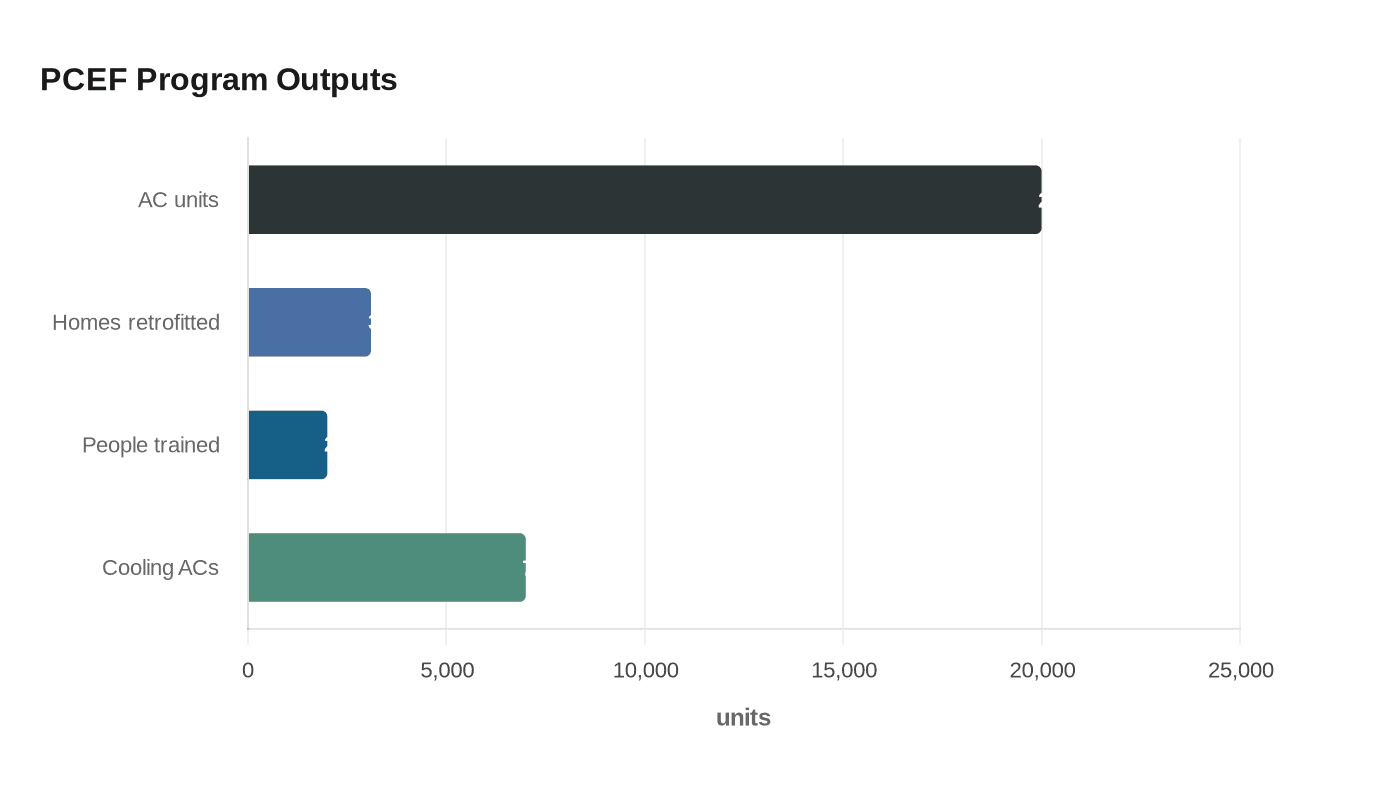
That money has already been put to work in visible ways. Portland says the Portland Clean Energy Community Benefits Fund has distributed more than 20,000 free air-conditioning units, completed energy-efficiency retrofits for 3,100 homes and trained 2,000 people for renewable energy and construction jobs. The Cooling Portland program, launched after the deadly 2021 heat dome, has installed more than 7,000 efficient air conditioners for people facing the greatest risk during heat waves. The city says the fund was designed as a first-of-its-kind racial, social and climate justice program, with priorities that include clean energy, transportation decarbonization, regenerative agriculture, green infrastructure and climate workforce development.

The scale of the program accelerated sharply in the past two years. City and news reports put total revenue at about $587 million by late 2023, before Portland amended its Climate Investment Plan in December 2024 to absorb the windfall. That update raised the five-year spending plan to $1.6 billion. In the same month, Portland City Council unanimously approved $300 million for eight large-scale initiatives, the largest PCEF investment to date, covering climate-resilient schools, transportation and building upgrades and workforce training. The 2025 Community Grants cycle then approved $64,353,695 for 60 community-led projects, including 51 implementation grants and nine planning grants.
The money has also made PCEF a political battleground. Repeated efforts have surfaced to steer some of the surplus toward schools, parks, housing, Portland Fire & Rescue, the Keller Auditorium, police staffing and even keeping the Trail Blazers in town. In 2026, a ballot proposal sought to divert 25% of PCEF revenue to police staffing, while city leaders also explored using the fund for homeless shelters and encampment cleanup. Those fights go to the heart of the model: whether climate dollars should stay tightly focused on frontline communities or be repurposed to patch a city’s broader budget gaps.
That tension is now part of PCEF’s national appeal. The fund grew out of a three-year grassroots campaign led by frontline community groups and environmental justice advocates, including organizations such as Verde and the Coalition of Communities of Color, and it is tied to Portland’s net-zero goal for 2050. As federal climate funding looks less dependable, other cities are studying Portland’s retail-tax model as a politically viable way to make corporations pay into local climate resilience and deliver benefits that are visible on the ground.
Know something we missed? Have a correction or additional information?
Submit a Tip