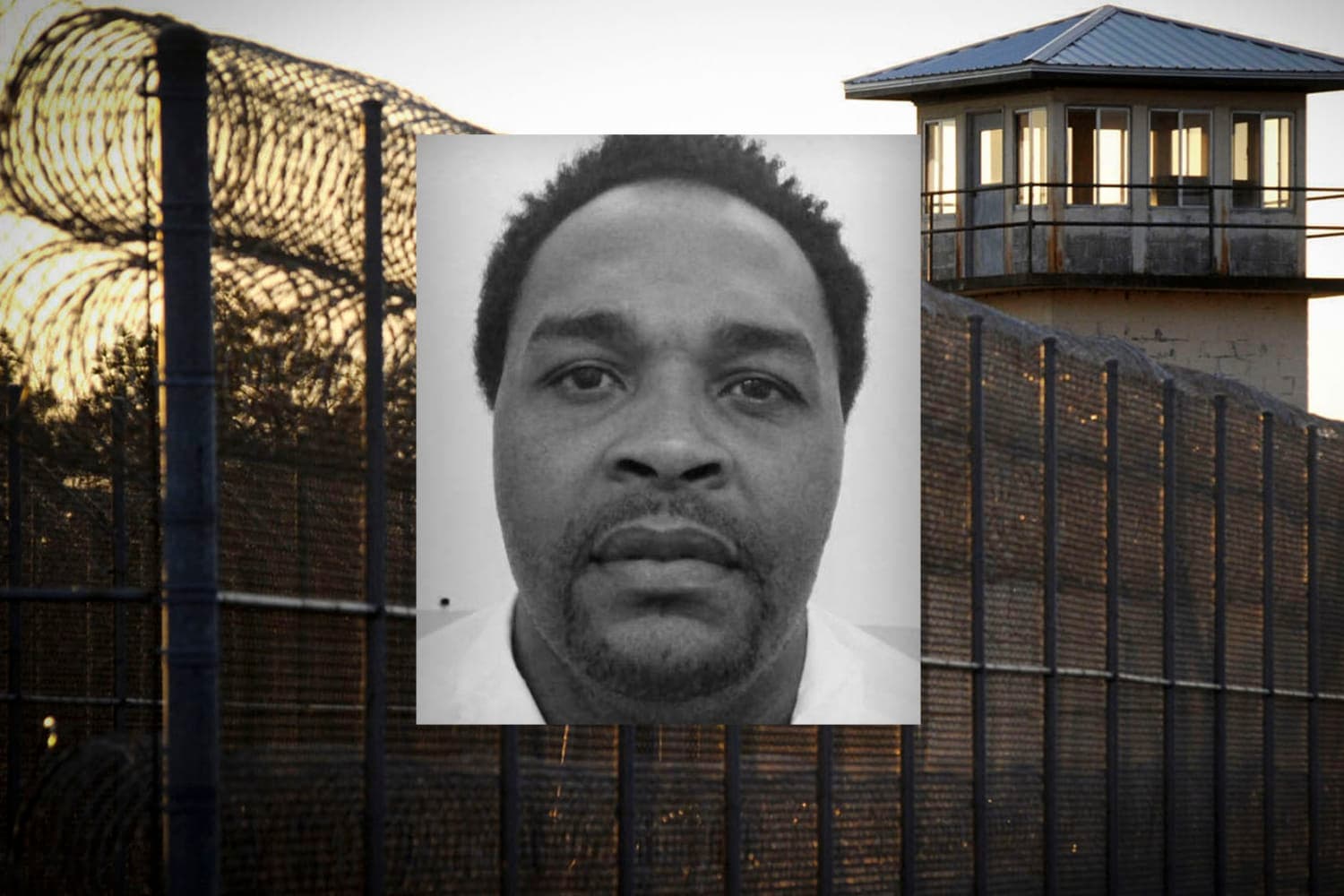
Portland protester gets 30 months for assaulting ICE officer
A federal judge gave Robert Jacob Hoopes 30 months after a rock struck an ICE officer, in a case tied to 27 Portland protest prosecutions.

A Portland protester who prosecutors said struck an Immigration and Customs Enforcement officer in the head with a large rock was sentenced to 30 months in federal prison, a punishment that federal officials are using to draw a hard line between protest and violence. Robert Jacob Hoopes, 25, also received three years of supervised release and more than $8,000 in restitution after pleading guilty to aggravated assault of a federal employee with a dangerous weapon resulting in bodily injury.
U.S. District Judge Adrienne Nelson imposed the sentence in Portland on Thursday, June 11, 2026, after prosecutors said Hoopes threw the rock on June 14, 2025, causing a significant laceration over the officer’s eye. Court records say Hoopes and two other people later used an upended stop sign as a makeshift battering ram to damage the main entry door of the Portland ICE facility, underscoring how the demonstrations had moved beyond shouting and blocking traffic into direct attacks on federal property.
U.S. Attorney Scott E. Bradford framed the case as part of a broader deterrence effort. “violence is not a protest,” Bradford said in a statement, adding that anyone who assaults a federal officer will be prosecuted. His office has said it charged 27 defendants with federal crimes tied to the ICE building since June 13, 2025, including assaulting federal officers, arson, depredation of government property and failing to comply with lawful orders.
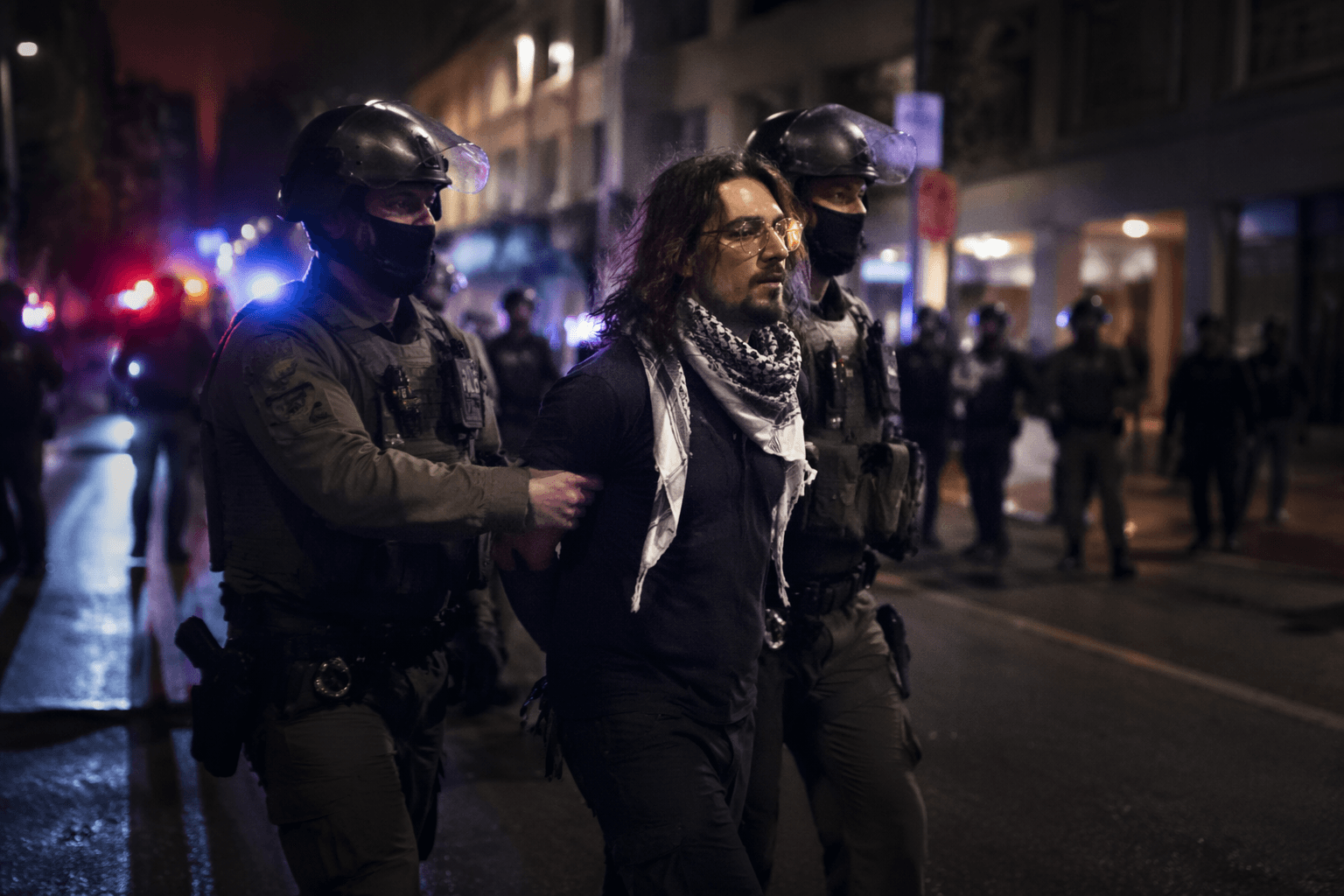
The Portland ICE building has remained a flashpoint for months, with nightly demonstrations, repeated efforts by federal officers to disperse crowds and a political fight over the scope of federal intervention. Donald Trump’s attempt last fall to deploy the National Guard to Portland for protection of federal property and personnel was blocked by the courts, leaving prosecutors to rely on the criminal case-by-case approach now unfolding in federal court.
Hoopes’ arrest also showed how investigators are building cases from digital and campus records. The Justice Department said the FBI investigated the matter, and his identification was aided by facial-recognition analysis plus photos and alumni records from Reed College. Reed later fired its community safety director, Gary Granger, after it emerged that he had shared Hoopes’ personal information with the FBI without a subpoena or warrant.
The sentence follows other outcomes in the same protest wave, including the 18-month prison term imposed in March 2026 on Trenten Edward Barker for arson at the same federal building. Together, the cases show prosecutors treating assaults on federal officers and attacks on government property in Portland as part of a wider enforcement strategy, not isolated street clashes.
This article was produced by Prism’s automated news system from verified source data, official records, and press releases, then run through automated quality and moderation checks before publishing. The system is built and supervised by the people who set the standards it runs under. Read our full AI policy.
Know something we missed? Have a correction or additional information?
Submit a Tip