Supreme Court blocks Alabama nitrogen gas execution of Jeffery Lee
The court’s 6-3 split left Alabama’s nitrogen gas protocol under a cloud, with justices divided over whether the state can use a method already tied to pain claims and international condemnation.
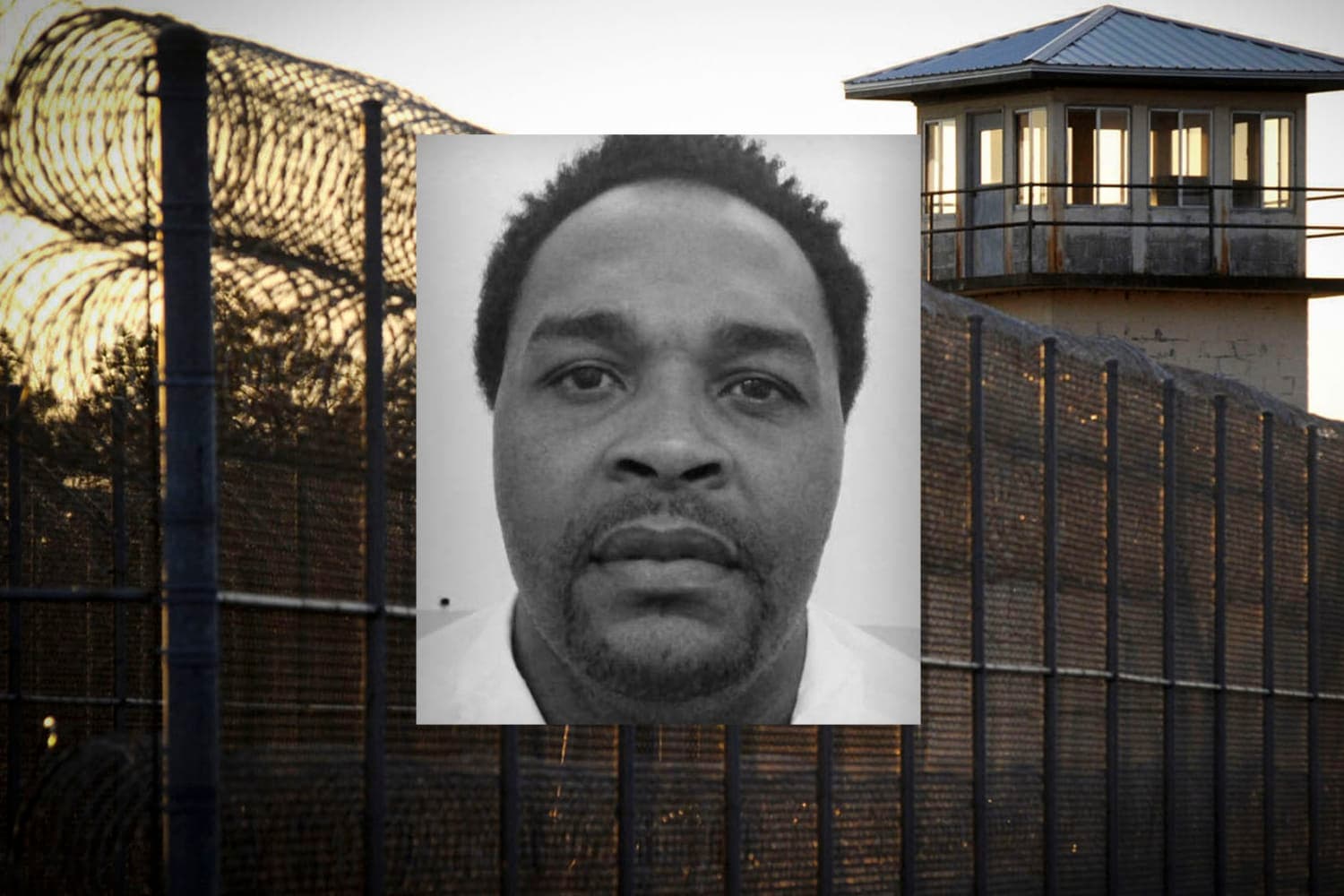
The Supreme Court on Thursday stopped Alabama from carrying out Jeffery Lee’s nitrogen gas execution, leaving the state’s newest death-penalty method mired in legal and moral doubt. The 6-3 decision, issued without explanation from the majority, kept in place rulings that said Alabama’s nitrogen protocol likely violates the Eighth Amendment ban on cruel and unusual punishment.
Lee, 49, had been scheduled to die Thursday evening at the William C. Holman Correctional Facility in Atmore. The justices’ refusal to lift the injunction meant Alabama could not proceed with the nation’s next planned nitrogen execution, and state officials said they would not switch to another method that night.
The split on the court sharpened the significance of the case. Justices Clarence Thomas, Samuel Alito and Neil Gorsuch said they would have granted Alabama’s request, a sign that the court remains far from a settled view on whether alternative execution methods can survive constitutional scrutiny. For death-penalty lawyers, the ruling underscored how nitrogen hypoxia, once pitched as a fix for lethal injection failures, has become the latest battlefield in the fight over what counts as humane punishment.
The legal path to the Supreme Court moved at breakneck speed. U.S. District Judge Emily Marks first ruled in May 2026 that the protocol was constitutional. But a three-judge panel of the 11th U.S. Circuit Court of Appeals reversed Monday, saying the roughly three minutes it could take for an inmate to lose awareness was an “intolerable” period if the protocol caused suffering. Marks then issued a new ruling Tuesday permanently blocking Lee’s nitrogen execution, while noting that Alabama could still execute him by lethal injection or the electric chair.
Attorney General Steve Marshall’s office appealed to the Supreme Court, arguing that a permanent ban would be unprecedented in American history. Lee’s lawyers said Alabama was trying at the eleventh hour to revive a method already found unconstitutional.
The stakes extend far beyond one inmate. Alabama authorized nitrogen hypoxia in 2018 and first used it on January 25, 2024, in the execution of Kenneth Eugene Smith, the first such execution in U.S. history. Witnesses reported Smith appeared awake for several minutes and shook and writhed during the execution, and the United Nations Office of the High Commissioner for Human Rights said UN experts condemned it as cruel, inhuman or degrading treatment. By the time Lee’s execution was halted, nitrogen had been used in eight U.S. executions total, seven in Alabama and one in Louisiana. Lee would have been the ninth person executed by nitrogen gas in the United States.
Gov. Kay Ivey said she was disappointed by the court’s refusal to let Alabama proceed, but remained committed to ensuring justice for victims. At the prison, officials said Lee had not requested a final meal, though he had potato chips, Skittles, water and a Sprite in the hours before the scheduled execution. The court’s split left Alabama’s experiment with nitrogen hypoxia in limbo, and it signaled that the next round of death-penalty litigation will turn not just on procedure, but on whether the method itself can be reconciled with the Constitution.
This article was produced by Prism’s automated news system from verified source data, official records, and press releases, then run through automated quality and moderation checks before publishing. The system is built and supervised by the people who set the standards it runs under. Read our full AI policy.
Know something we missed? Have a correction or additional information?
Submit a Tip