Trump administration plans deportations to Central African Republic
The first U.S. deportation flight to the Central African Republic could carry about 20 people, including migrants with court protection against return to Iran.
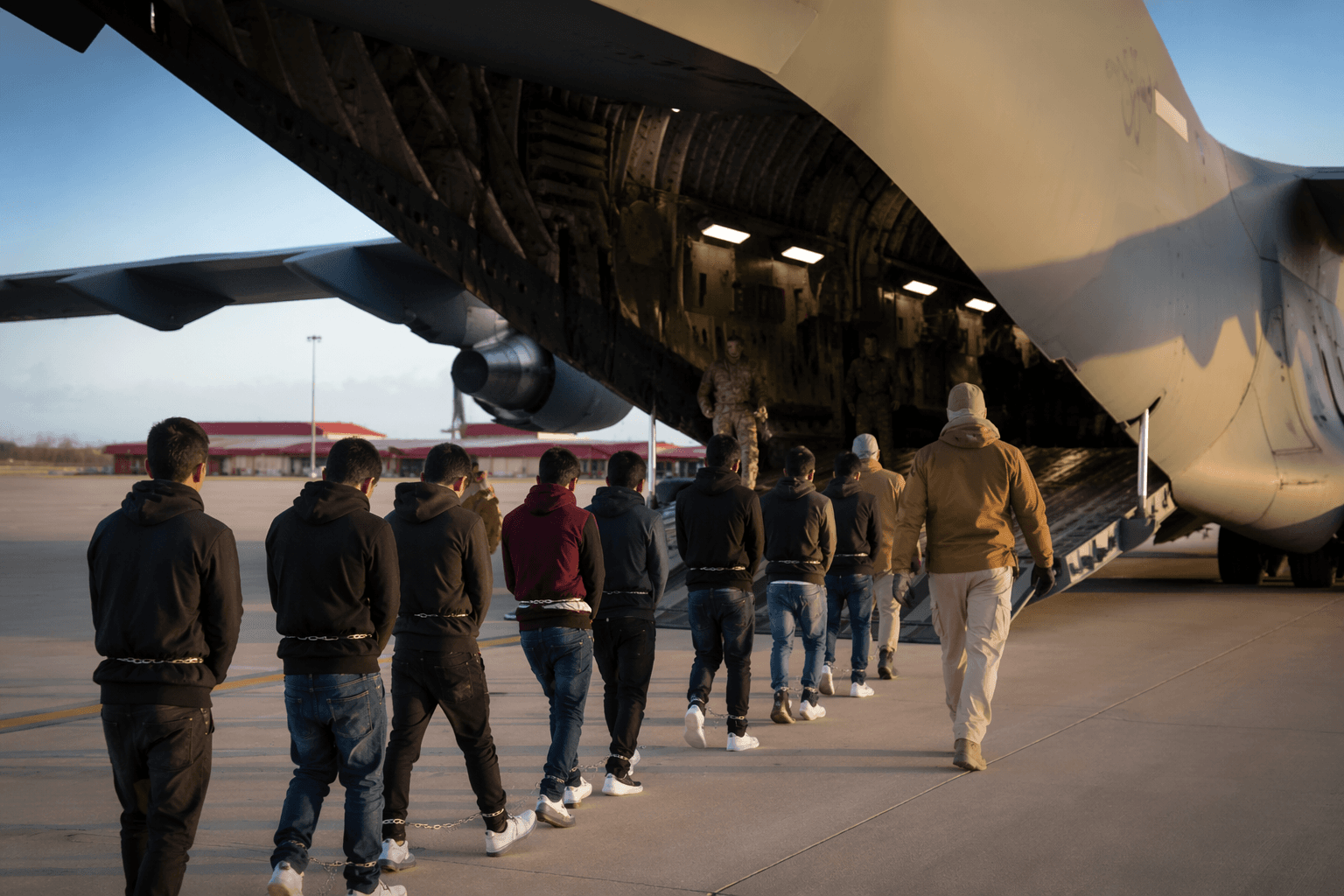
The Trump administration is preparing to send a small group of Iranians and other migrants to the Central African Republic under a third-country arrangement that raises sharp legal and diplomatic questions. The first flight could carry about 20 people and may include Syrians, Afghans, an Iranian passenger and a Turkish national who fled political persecution.
The plan matters because several of the people identified for removal have already won protection in U.S. immigration court. Two Iranian women detained after arriving in the United States in November 2024 had applied for asylum and later received withholding of removal, a ruling that meant a judge found they faced more than a 50 percent risk of persecution or torture if returned to Iran. Their lawyer, Emily Trostle, said they could face “potential torture and persecution” if sent back.
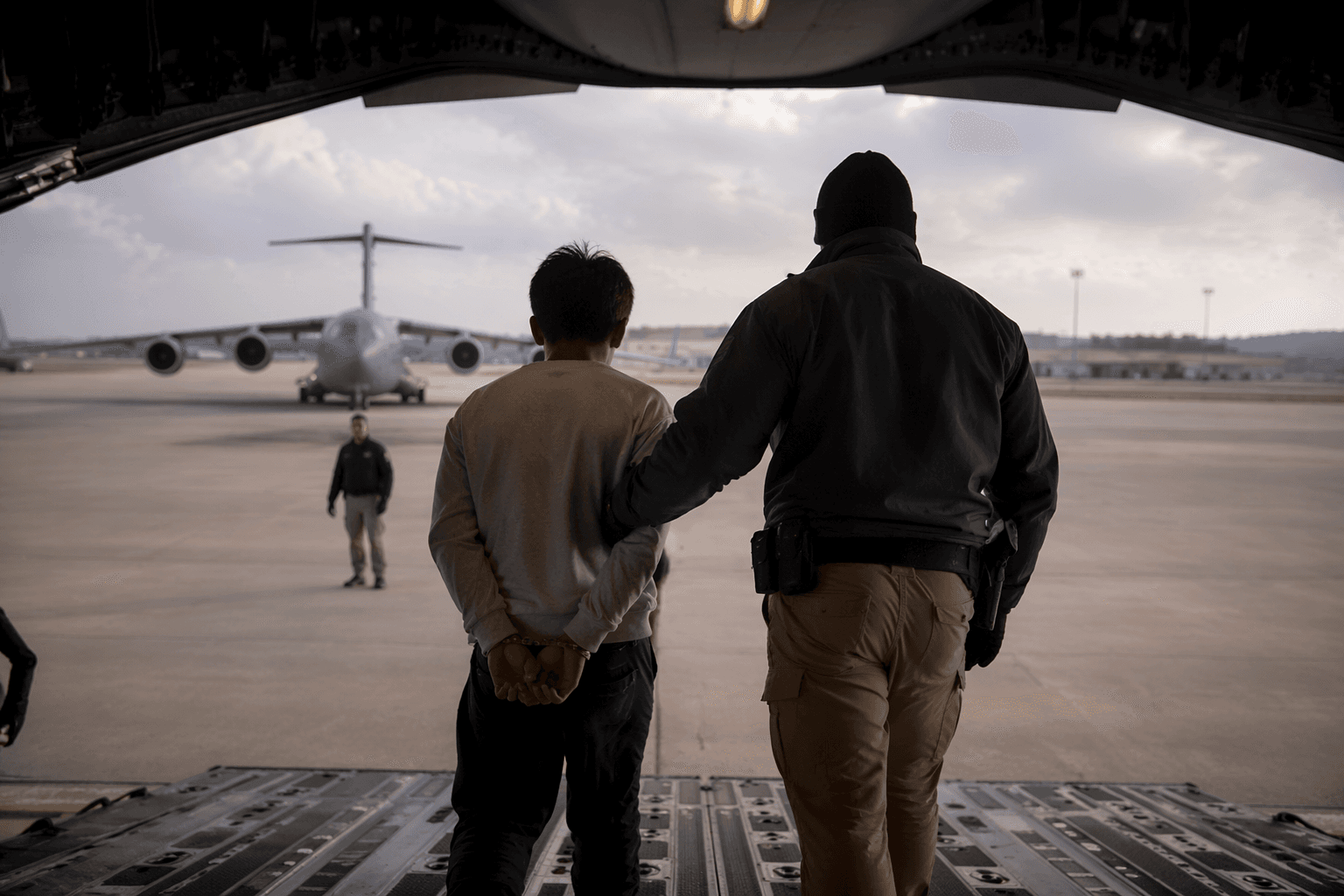
The Central African Republic has agreed to accept migrants deported from the United States even if they are citizens of other countries, extending a strategy Washington has already used with the Democratic Republic of Congo, Ghana, Sierra Leone and Equatorial Guinea. Senate Democrats have said such opaque third-country deals have cost tens of millions of dollars, underscoring how the practice is becoming a recurring tool in the administration’s immigration crackdown when direct return to a migrant’s home country is legally barred or practically difficult.
The choice of destination is especially contentious because the Central African Republic remains one of the world’s most fragile states. United Nations humanitarian agencies estimate that 2.3 million people in the country will need humanitarian assistance in 2026, while more than 52,700 refugees and asylum seekers are already hosted there. In April, UNFPA said renewed armed incursions displaced about 6,000 people in Bowaye on April 21, a reminder that insecurity and displacement continue to overlap in a country already strained by conflict, floods, disease outbreaks and regional instability.
The administration’s use of third-country deportations has become a broader test of how far Washington can go in outsourcing removals to governments with no prior connection to the deportees. That approach has drawn criticism from rights advocates, who say it can strip migrants of meaningful protection and push them into countries where they face unfamiliar legal systems, weak safeguards and serious safety risks. Neither the U.S. State Department nor Central African Republic officials immediately responded to the latest plan, leaving the scope of the arrangement and its protections for deportees unclear as the administration hardens its immigration policy.
This article was produced by Prism’s automated news system from verified source data, official records, and press releases, then run through automated quality and moderation checks before publishing. The system is built and supervised by the people who set the standards it runs under. Read our full AI policy.
Know something we missed? Have a correction or additional information?
Submit a Tip