Powell may stay at Fed after chair term, amid Trump threats
Powell's chair term ends May 15, but his board seat runs to 2028, setting up a rare fight over Fed independence and Trump's removal threat.
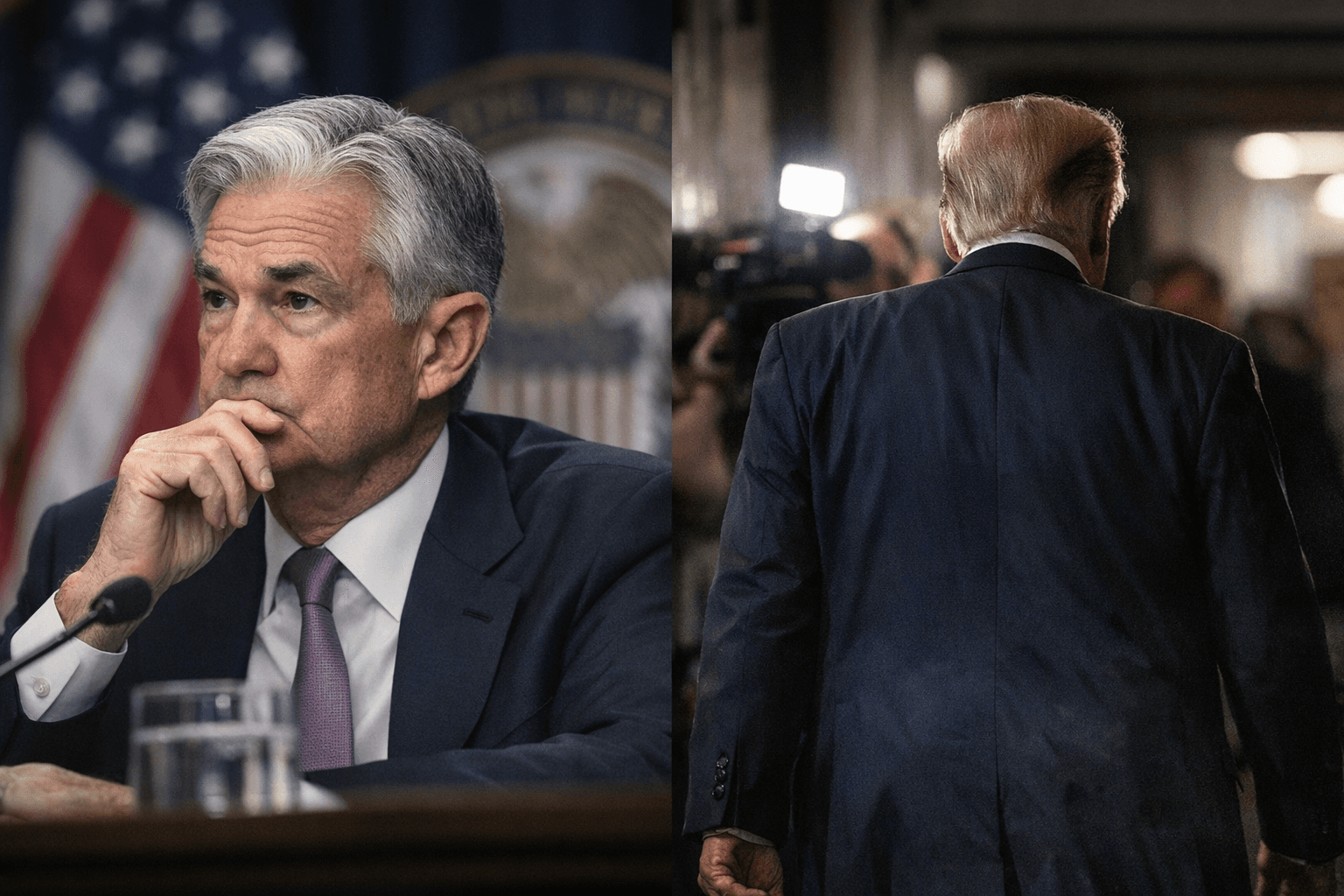
Jerome H. Powell could remain at the Federal Reserve after his chair term ends May 15, turning Donald Trump’s latest threat into a test of central bank independence as well as presidential power. Powell’s separate term on the Federal Reserve Board of Governors runs until January 31, 2028, giving him a legal path to stay in the institution even after leaving the chairmanship.
Trump said on April 15, 2026, that he would fire Powell if Powell does not step down when a new Fed chair is installed, and he said the U.S. Department of Justice probe into the central bank renovation should continue. The investigation centers on the multibillion-dollar renovation of the Fed’s Washington headquarters and whether Powell misled Congress about the project’s scope and cost. The threat sharpened an already sensitive issue: who controls the nation’s central bank, and how far a president can go to shape it.
Powell has made the legal stakes explicit, saying the Fed’s independence is “a matter of law” and that governors are “not removable except for cause.” That language points to a likely legal fight if the White House tries to force him out of the Board of Governors before his term expires. Powell was re-nominated by President Joe Biden in November 2021 and confirmed by the Senate on May 12, 2022, underscoring that his current authority rests on the normal appointment process, not a personal alliance with any president.
If Powell stays on as governor after his chair term ends, the move would be unusual. Most outgoing Fed chairs have also left the board, though Marriner Eccles remained on the board in the late 1940s after a clash with President Harry Truman. That history makes Powell’s next move more than a personnel question. It would shape how future presidents, markets, and lawmakers view the reach of the White House over monetary policy.
Central bank independence matters because investors and economists treat it as a core safeguard for credible interest-rate decisions. Reuters and AP coverage has noted that political pressure on the Fed can rattle confidence in borrowing costs and market stability, even when no formal removal takes place. With Powell’s chair term ending in May and his board term stretching to 2028, the confrontation now carries constitutional weight, financial consequences, and a clear warning for the next phase of the fight over the Fed.
This article was produced by Prism’s automated news system from verified source data, official records, and press releases, then run through automated quality and moderation checks before publishing. The system is built and supervised by the people who set the standards it runs under. Read our full AI policy.
Did this article answer your question?

