Powell to attend Supreme Court arguments in dispute over Fed governor
Fed Chair Jerome Powell will attend Supreme Court oral arguments in the fight over President Trump's attempt to remove Governor Lisa Cook; the move heightens tensions over central-bank independence.
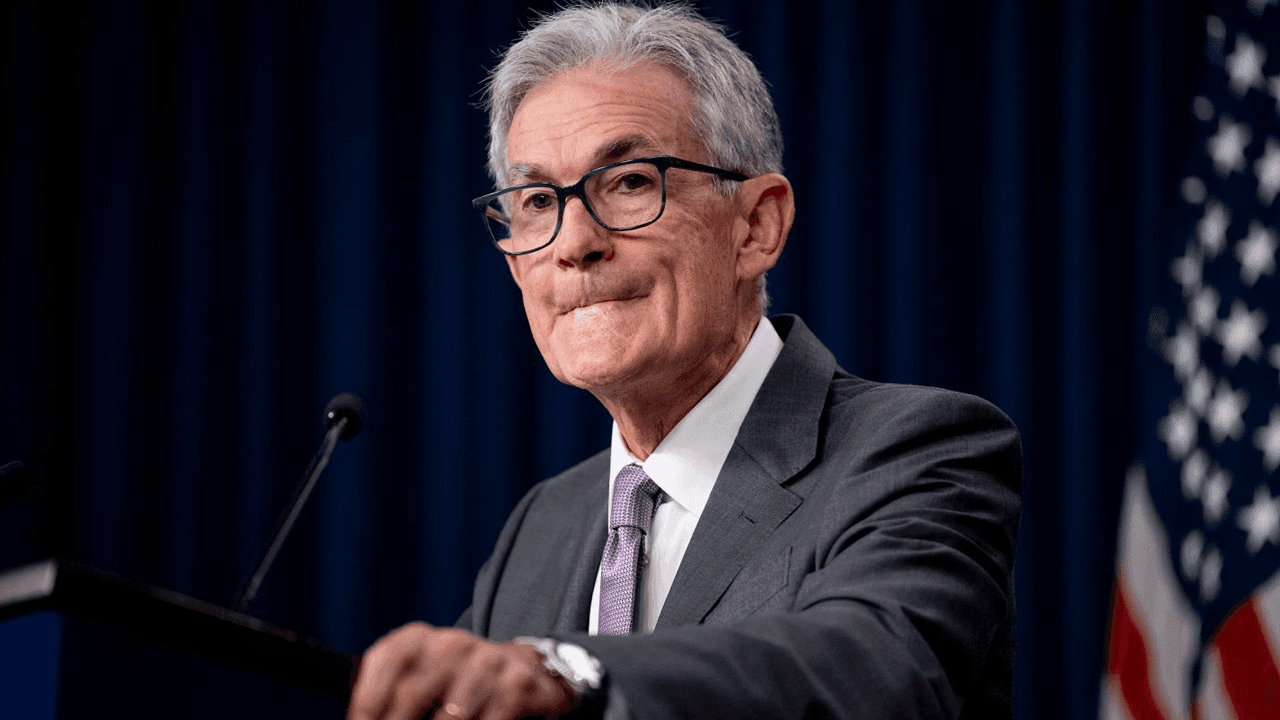
Jerome Powell will attend oral arguments at the U.S. Supreme Court in the case testing whether the president may remove Federal Reserve Governor Lisa Cook, a decision confirmed to reporters by a person familiar with Powell’s plans. The appearance, set for Jan. 21, places the sitting Fed chair directly in the courtroom spotlight as the high court considers an unprecedented challenge to the Fed’s governance.
The case centers on the Trump administration’s late‑August announcement that it would seek Cook’s removal from the seven‑member Board of Governors. Cook, a Biden appointee, sued to block the firing and has remained on the board under a Supreme Court order that permitted her to stay while the court reviews the dispute. The narrow legal question before the justices is whether the president has the authority to remove a Fed governor outside the statutory processes that have long insulated the central bank’s leadership.
The administration has alleged misconduct by Cook, including accusations of mortgage fraud; Cook has denied the allegations and no criminal charges have been filed. The Federal Reserve as an institution has told the courts it will follow any court orders and, in filings, declined to take a broader public position on the legality of the removal effort. Powell’s decision to appear in person departs from the Fed’s customary institutional distance from personnel disputes and will be read by legal and market observers as an unusually explicit signal of support for a colleague.
Powell’s attendance occurs against the backdrop of an intensifying clash between the White House and the Fed. In a video statement released Jan. 11, Powell said the Department of Justice had served the Fed with grand jury subpoenas earlier that month and warned the subpoenas raised the prospect of criminal charges tied to his June 2025 testimony about a multi‑year, roughly $2.5 billion renovation of Fed office buildings. He called the subpoenas "pretexts," asserting they were being used to pressure the Fed to sharply reduce interest rates, an allegation that, if true, would mark a stark escalation in efforts to influence monetary policy through legal means.
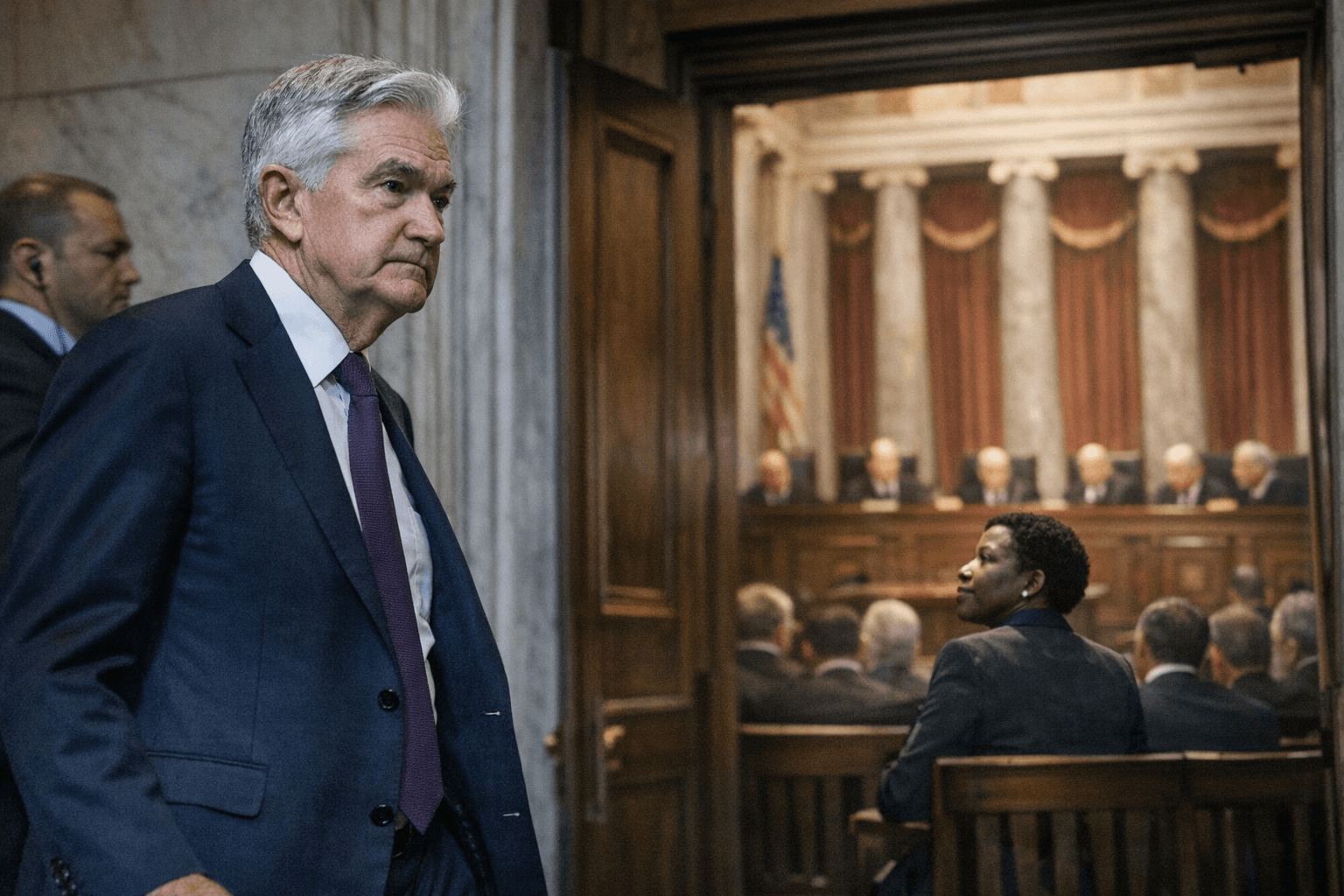
That tension has material implications for monetary policy. The Fed under Powell implemented three rate cuts in late 2025, bringing the federal funds rate to roughly 3.6 percent. President Trump has argued publicly for much lower rates, calling for levels near 1 percent, a stance that has limited support among economists. Political attacks on the Fed have intensified as the central bank balances inflation risks and employment considerations, while trying to preserve institutional independence that is central to investor confidence worldwide.
Powell’s term as Fed chair expires in May 2026, and his position at the helm has been the subject of speculation amid signals from some administration officials that a new nominee could be named. The Supreme Court’s decision on the Cook removal question will carry consequences far beyond one personnel dispute: it could reshape the separation of powers governing independent agencies, influence global perceptions of U.S. policy reliability, and affect market expectations at a time of fragile economic crosscurrents.
For now, all eyes turn to the courtroom on Jan. 21, where the justices will weigh legal precedent, statutory text and the institutional stakes of allowing a president to remove a sitting central‑bank governor. The outcome will reverberate through Washington and through markets that prize predictable, law‑bound governance of monetary institutions.
This article was produced by Prism’s automated news system from verified source data, official records, and press releases, then run through automated quality and moderation checks before publishing. The system is built and supervised by the people who set the standards it runs under. Read our full AI policy.
Did this article answer your question?

