Practical beginner’s guide to starting CrossFit safely and consistently
A concise beginner's guide lays out how new athletes should approach CrossFit to build strength, prevent injury, and stay consistent.

CrossFit is functional fitness built around varied, high-intensity workouts that are designed to be scalable for anyone. Workouts of the day, or WODs, mix gymnastics, weightlifting, and conditioning; the goal for new athletes is to learn the movement vocabulary, prioritize consistency, and scale intelligently rather than chase Rx numbers out of the gate.
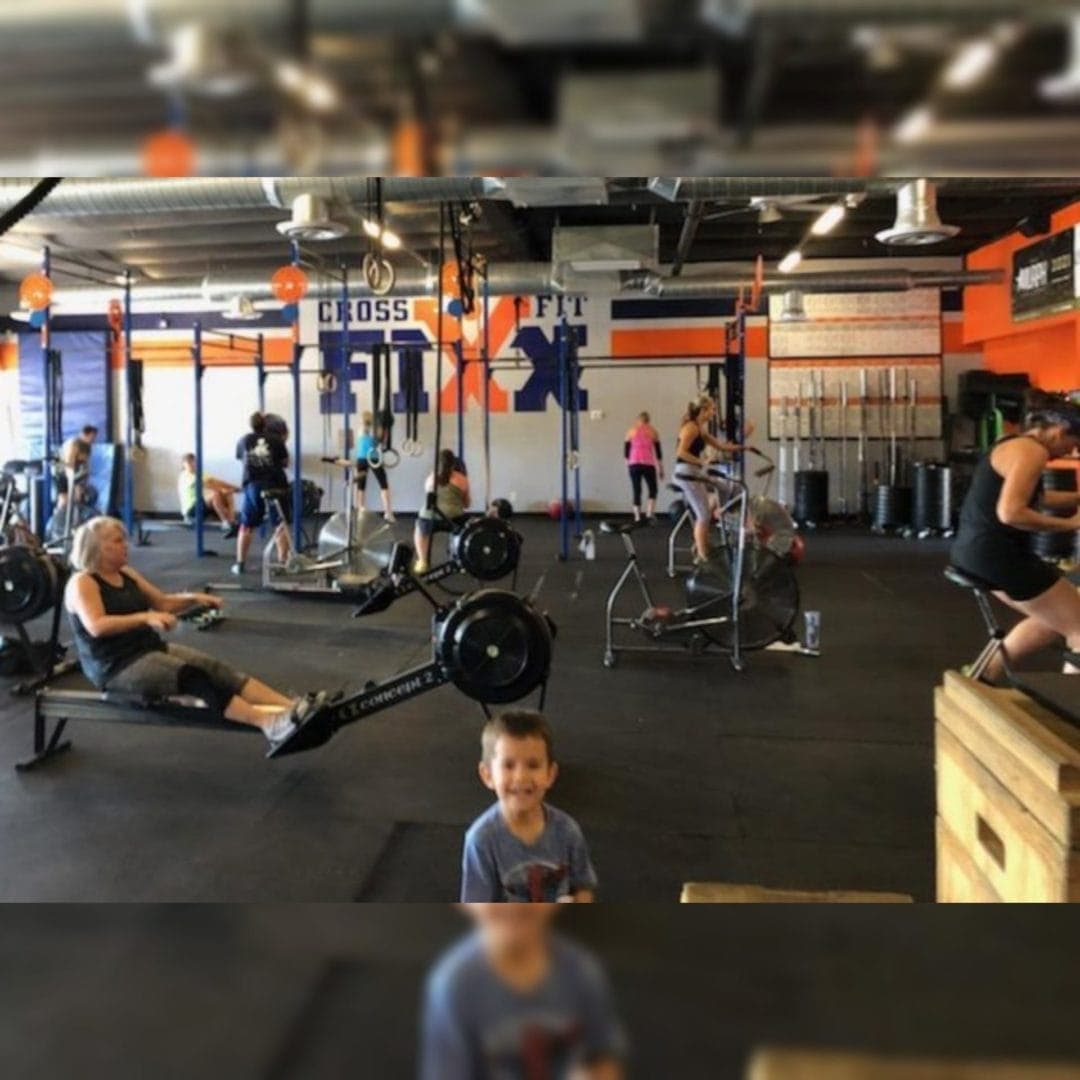
Choosing the right box makes everything easier. Look for certified coaches who give cues and correct mechanics, a predictable class structure that includes a coached warm-up and skill block, clean and safe equipment, and a community that supports sustainable progress. Coach availability during classes, clear class sizes, and visible safety practices are practical selection criteria that influence long-term adherence and injury risk.
Scaling is where a lot of beginners stumble, so follow concrete rules. Use RPE to guide intensity rather than heart-rate guessing. Reduce range of motion for gymnastic moves when strict positions aren’t yet safe; substitute ring rows or banded pull-ups for chest-to-bar attempts; drop load and split sets for heavy barbell work. Break high-intensity sets into manageable intervals, for example, partition a fast 20-rep set into 4 sets of 5 to preserve technique. Treat scaling as smart programming, not as a concession.
Programming and progression should emphasize skill and two strength-focused sessions per week. Build in dedicated time for Olympic lifting technique and gymnastics basics outside of metcons. Keep conditioning measured: include controlled AMRAPs, EMOMs, and benchmark WODs to track progress without burning out. Track one to three measurable metrics, such as deadlift 1RM, unbroken pull-up reps, and 1-mile run time, and progress them with gradual load, volume, or intensity increases.
Injury prevention starts with a consistent warm-up and scheduled mobility work. A warm-up should prime the joints and movement patterns used in the WOD, and mobility sessions should be planned rather than ad hoc. Know when to deload: consistent heavy soreness, persistent technique breakdown, or rising RPE for easy workouts are signals to back off. See a qualified professional for acute pain or persistent dysfunction.
Nutrition and recovery basics matter more than flashy diets. Prioritize protein intake to support strength gains, get regular sleep, stay hydrated, and refuel after high-intensity sessions with a mix of carbs and protein. Small, consistent habits compound into better training quality and recovery.
Preparing for competitions and the Open should start with judge standards practice, mock attempts, and a sensible attempt strategy that balances ambition with safety. Practice standards under fatigue, plan warm-ups for event pacing, and pick attempts that give room for progress while protecting health.
Start simple: find a box that coaches movement, scale smart, program consistency, and schedule recovery. Those habits build strength, keep you healthy, and make CrossFit a sustainable part of your life.
Know something we missed? Have a correction or additional information?
Submit a Tip