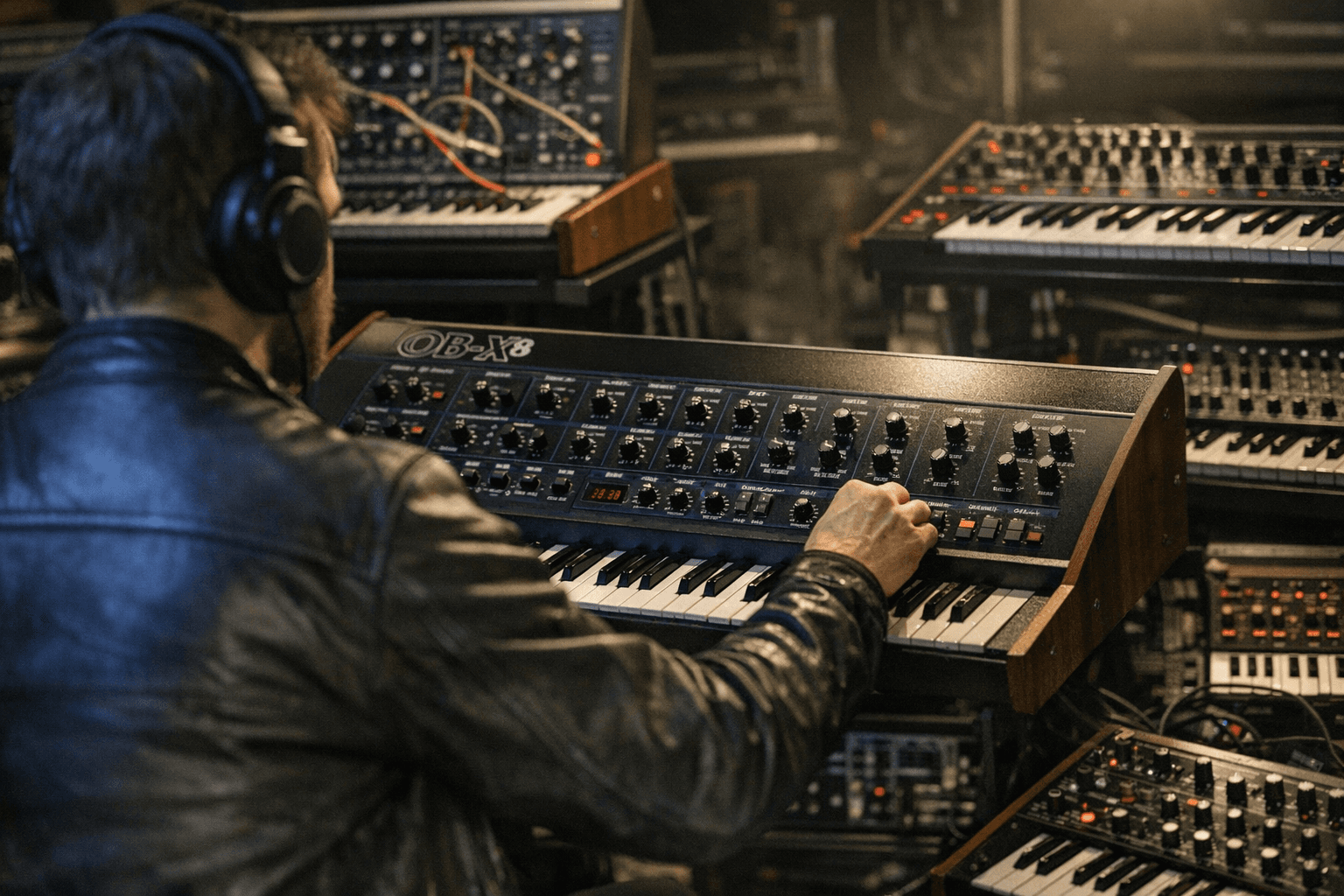
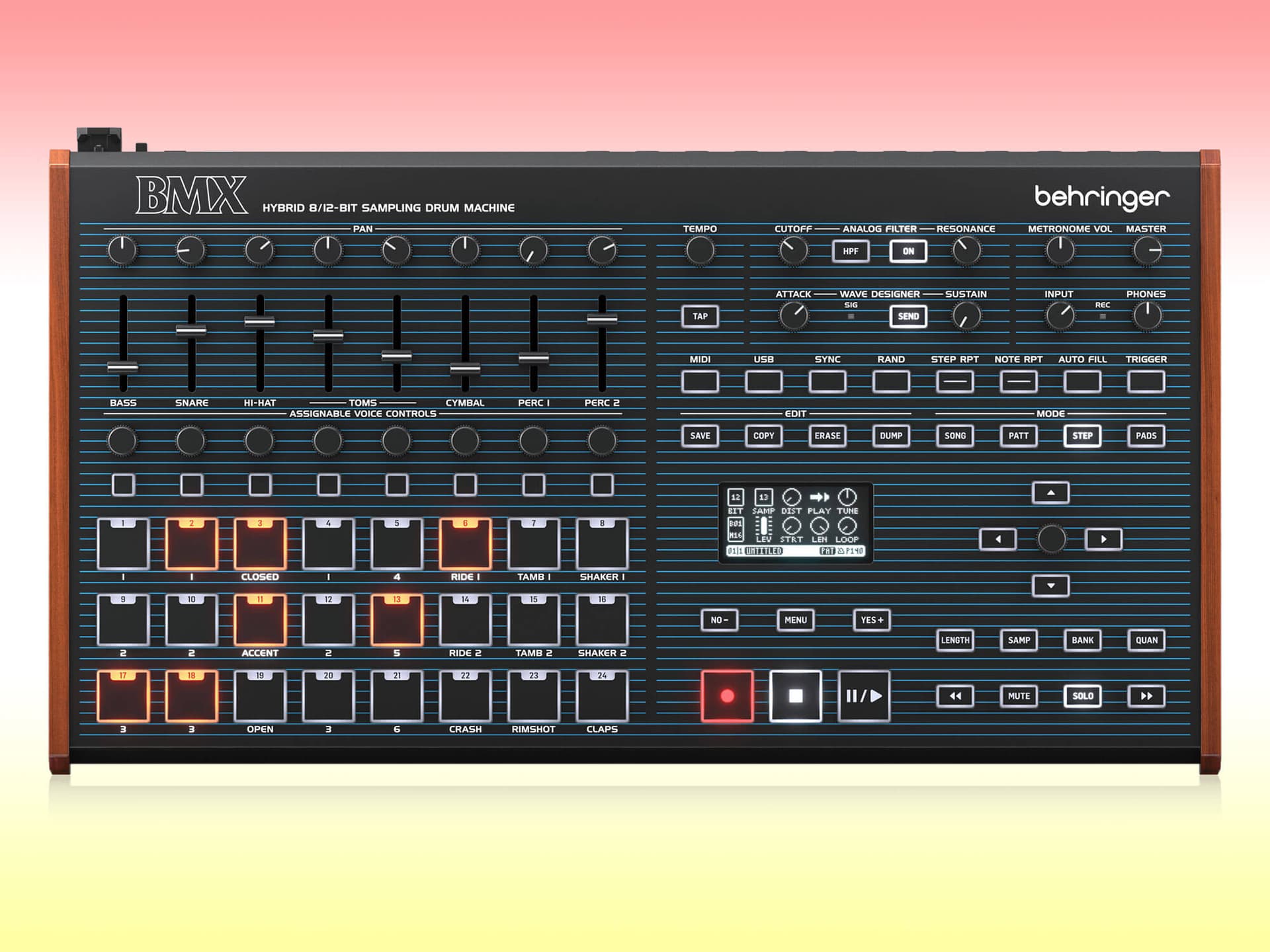
Practical Buying Guide, Vintage Analog Synths Versus Modern Modeling
Long running advice widely cited by collectors lays out a practical checklist for choosing between vintage analog instruments and modern modeling alternatives. The guidance matters because it helps you weigh sound, maintenance and integration costs before committing to a purchase or restoration.
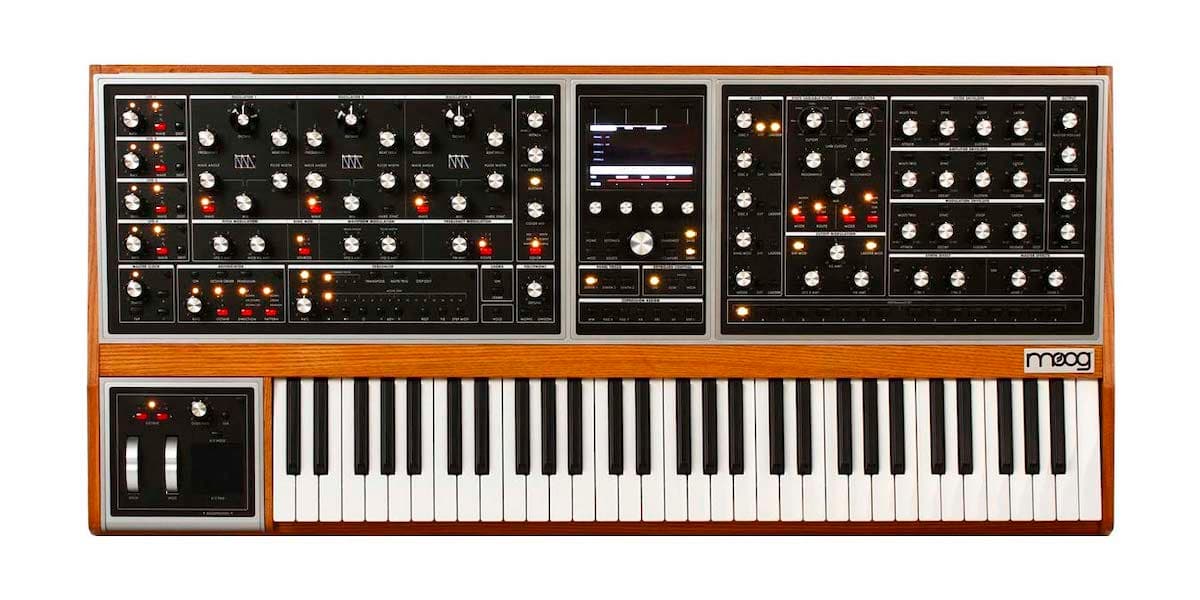
For anyone weighing a purchase or restoration, a clear set of practical checks can save time and money. The core guidance collectors use recommends a close mechanical and electrical inspection, a realistic appraisal of service costs and parts availability, and careful testing to decide whether the sound justifies investment. These steps are essential whether you are buying a prized classic or a recently refurbed instrument.
Start with the physical. Inspect mechanical condition, listen for noisy pots and switches, and probe for intermittent or electrical faults. Test every section of the instrument if possible, and try to reproduce conditions under which faults appear. Mechanical wear often signals larger repair bills later, so determine whether the unit will need calibration, alignment, or parts that may be scarce.
Factor in service and parts. Research the cost and availability of replacement components and repair technicians before you buy. Refurbished units from reputable dealers reduce risk, and some come with limited warranties that cover short term failures. Verify warranty terms and the dealer s return policy if you are not able to fully test the instrument on site.
Think about integration. Consider MIDI retrofit or other interfacing needs to fit the instrument into a modern rig. Retrofit work can be straightforward for some models but complex or expensive for others, so budget for professional installation when necessary.
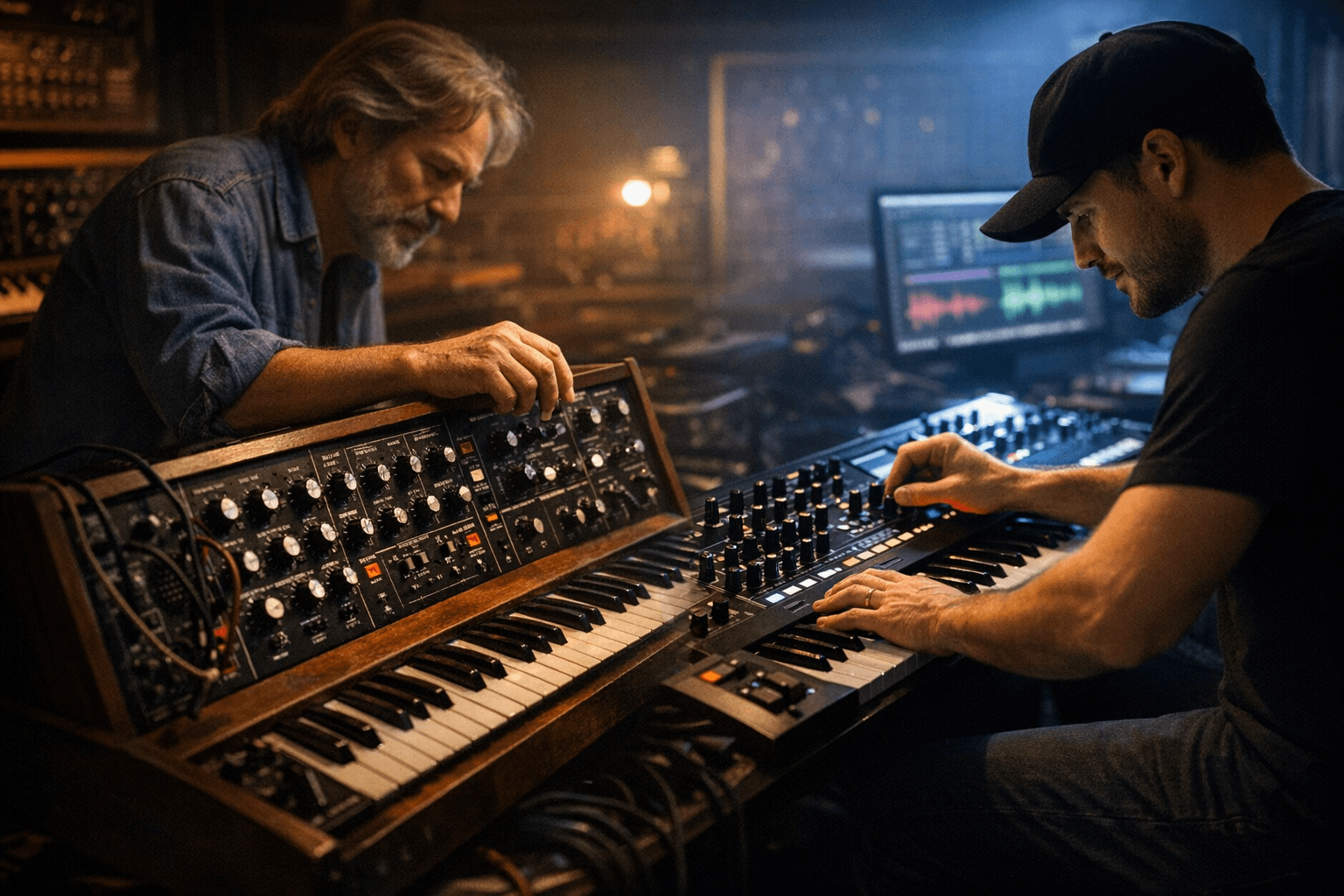
Make the sound versus cost calculation. Test instruments critically to determine whether the sonic character justifies restoration expenses. Some vintage units are cherished precisely for their idiosyncrasies and aged behaviors, so decide whether those traits are desirable or if a modern modeling unit that emulates the sound might be more practical.
Set realistic ownership expectations. Factor in long term maintenance costs and possible component obsolescence when valuing a purchase. Verify sources, ask for service histories, and prioritize reputable sellers to reduce risk. Following this checklist will help you make informed choices that preserve both sound quality and your budget.
Know something we missed? Have a correction or additional information?
Submit a Tip