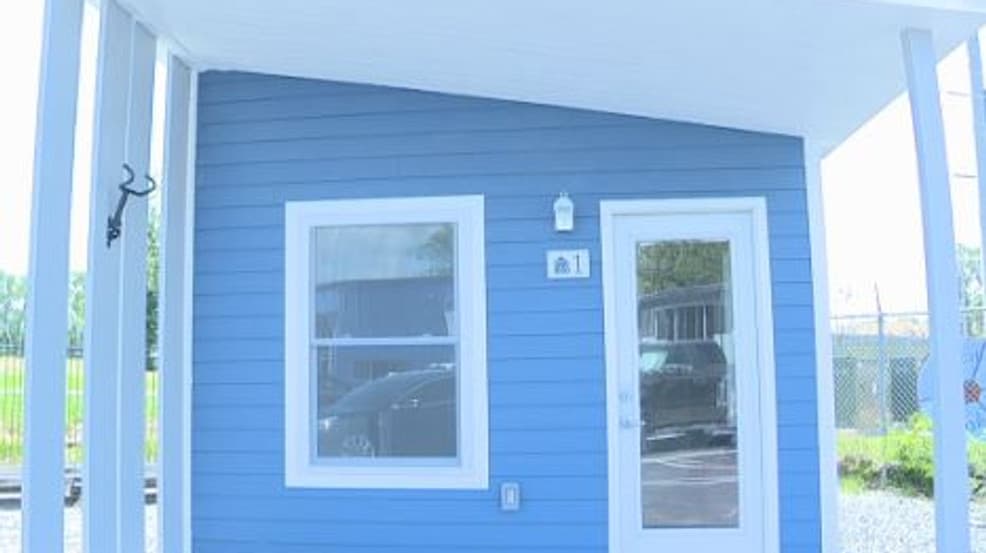
Practical checklist helps place tiny houses on wheels legally
A step-by-step checklist outlines legal and safety steps to prepare a tiny house on wheels for placement and occupancy, with practical items to verify before you move in.
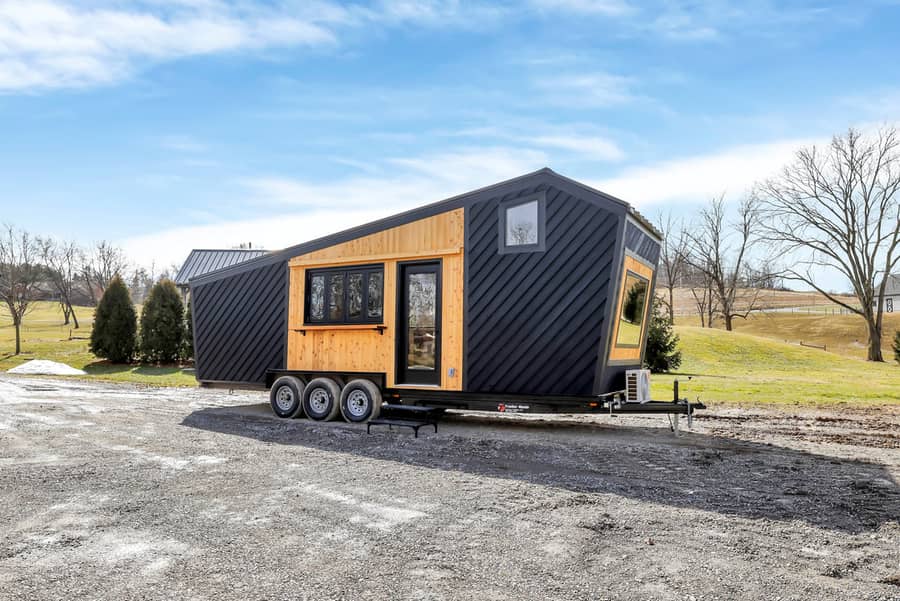
A practical, step-by-step checklist lays out what to verify before placing a tiny house on wheels (THOW) so you avoid last-minute fines, failed inspections, or a stranded delivery. Because cities treat THOWs differently, classification and local rules drive nearly every decision from hookups to taxes.
Start with zoning and ADU rules. Confirm whether a THOW can count as an accessory dwelling unit or whether the municipality treats it as an RV or manufactured home requiring special permits. That classification matters: it changes inspection criteria, tax status, and which utility hookup rules apply. Determine early whether your unit will be titled and registered as an RV, classified as a manufactured home, or treated as an ADU.
Site selection is more than curb appeal. Verify lot restrictions, minimum setbacks, maximum units allowed per parcel, and parking or driveway access for delivery. Check whether the site needs a level load-bearing pad, concrete piers, or skirting for winterization and stability, and confirm any required tie-downs or anchoring. Some jurisdictions require specific pads even for wheeled units.
Plan utilities before you schedule delivery. Map electric supply options, mains connection, generator backup, or a solar-plus-battery system, and arrange any required connection permits or utility easements. Decide on water: municipal, well, or hauled tank. For sewage, verify whether you can tie into sewer, need a septic system, or must contract pump-out service. Coordinate with providers early; meters, trenching, or inspections can add weeks to setup.
Fire and life-safety requirements are common trigger points for failed installations. Check local fire-code rules for clearances, egress window size and placement, smoke and CO detectors, and whether sprinklers or hard-wired alarms are required. Factor these into design and window planning so alterations aren’t needed after placement.
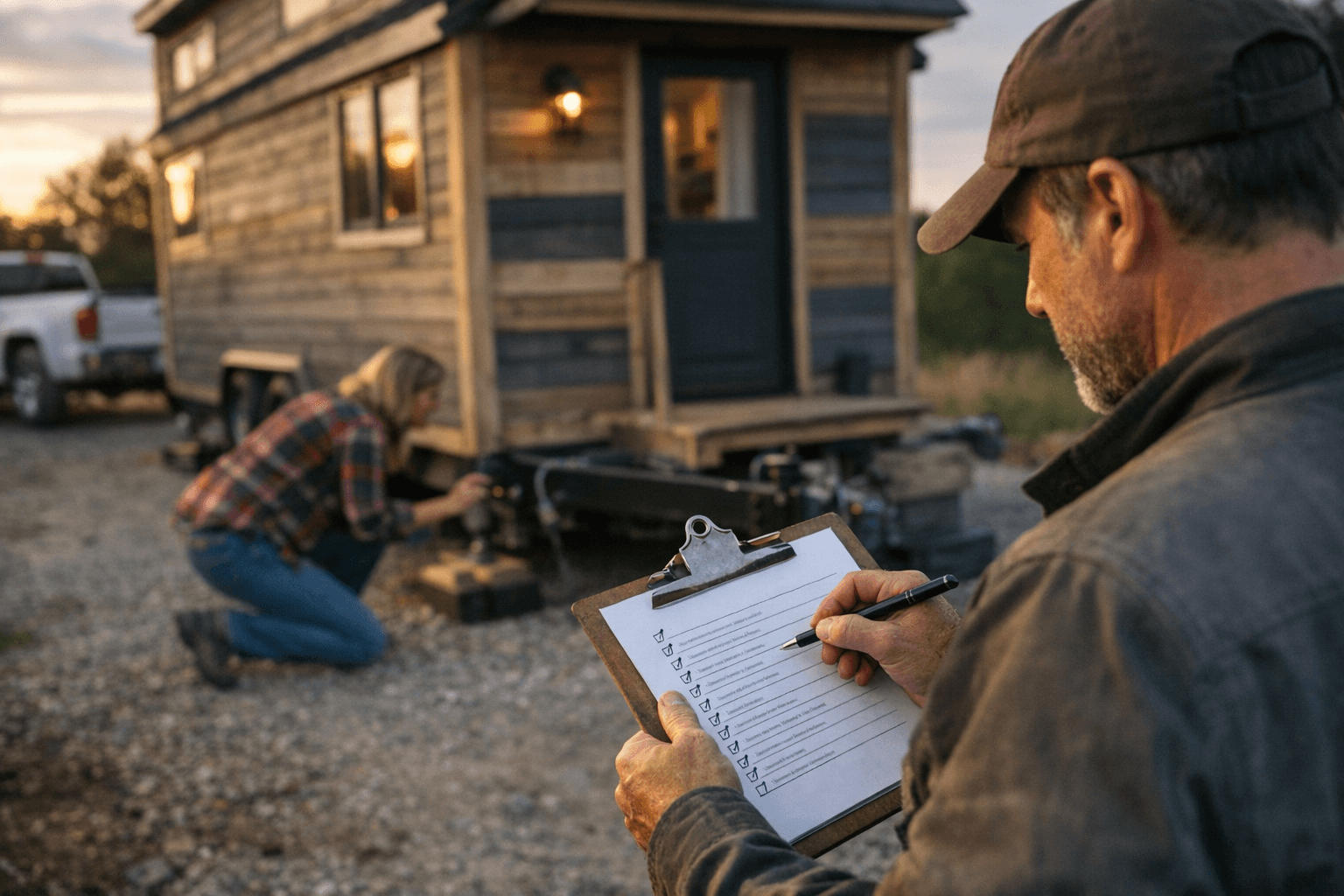
Delivery day logistics include road permits, height and width limits, and arranging a crane or tow service for placement. You may need temporary street closures or escort vehicles for oversized loads; get permits far enough in advance to reserve services. Inspections follow placement: identify required electrical, plumbing, and building inspections and obtain final occupancy or installation certificates before moving possessions in.
Insurance and taxes deserve attention. Discuss homeowner, RV, or hybrid policies with insurers and clarify tax implications tied to your unit’s classification. If the lot sits in an HOA, secure written approval and any covenant waivers to prevent future disputes.
This checklist is a practical starting point; verify specifics with local permitting offices. Our two cents? Measure twice, permit once, plan hookups and delivery around real-world timelines so your THOW is legal, secure, and actually livable when you wheel it home.
Know something we missed? Have a correction or additional information?
Submit a Tip