Practical checklist to speed D&D 5e combat and spotlight players
A compact checklist gives DMs concrete tactics to tighten combat pacing, boost player engagement, and reduce bookkeeping. Small changes mean faster fights and bigger moments at the table.
DMs can cut sloggy combats and give every player a moment to shine by shifting from scripted encounters to goal-driven design. The core idea is simple: define stakes and a few colorful environmental elements up front, then let player choices steer the scene. That keeps prep light while making outcomes feel meaningful.
Pacing matters. Use simple math: aim for 3-6 meaningful rolls per player across an encounter so individuals stay busy without being overwhelmed. That number helps you size enemy groups, timing, and when to introduce reinforcements or new objectives. Meaningful rolls include attacks, saves, skill checks, or roleplay-driven checks that change the flow of the fight.
Enemy variety keeps combats tactical. Mix melee, ranged, and support roles so encounters read like small skirmishes rather than a single pile of hit points. Pair a frontliner that pins the party with a ranged harasser and a support caster that buffs or debuffs. One-line enemy tactics are a quick DM tool: a sentence per foe that reminds you what it will try to do each round.
Signals and telegraphs let player choices matter. Give readable tells before big moves, an ogre rearing back for a charge, a ritual circle starting to glow, or a cultist planting a dagger for a sacrifice. Those cues reward observation and give players rope for clever responses.
Carve out spotlight moments. Build short windows where each character can use a skill, clever item, or a beat of roleplay to turn the tide. That might be a locked gate one rogue can open, a makeshift tripping hazard a barbarian can exploit, or a diplomatic pause for a bard to sway a group. These windows keep players invested and reduce the urge to autopilot.

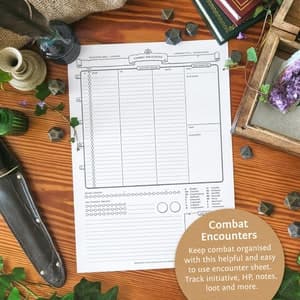
Speed up bookkeeping with visible, minimal tracking. Put essential HP and conditions on sticky notes or a shared digital tool, pre-roll or use a simple initiative tracker, and ask players to have rough intentions ready. Use a one-page encounter sheet listing initiative, enemies, hazards, and victory conditions so the table sees the fight state at a glance.
Make the battlefield dynamic. Plan collapses, cover, hazards, or shifting objectives and prep three-map variants, open, chokepoint, and vertical, to fit different tactics. Favor fail-forward consequences over instant kills: soft failures should complicate the story instead of ending it outright, preserving momentum and player creativity.
Finish combats with a brief 2-5 minute after-action beat covering loot, story consequences, and an in-character reaction to lock in stakes. These patterns help make combats faster, fairer, and more cinematic without adding prep time.
Our two cents? Start by cutting one unnecessary roll next session and add a single spotlight moment, small changes compound into smoother, more memorable fights.
Know something we missed? Have a correction or additional information?
Submit a Tip