Practical cold plunge guide - safe starts, benefits, and athlete tradeoffs
Cold plunges (ice baths/cold-water immersion) can ease soreness and stress but carry risks; follow stepwise temperatures, short sessions, and clear safety steps to protect your health.
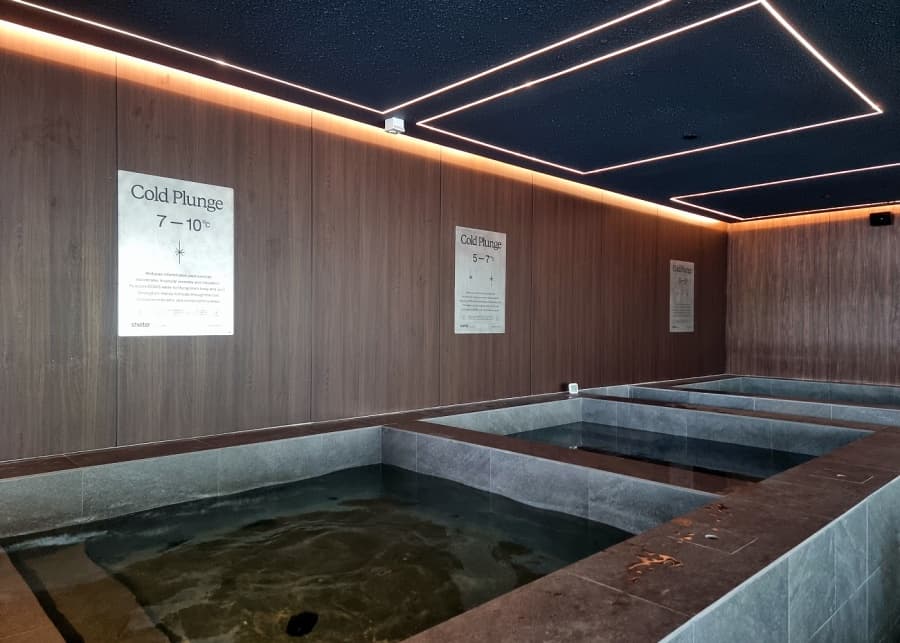
Cold plunges, also called ice baths or cold-water immersion, are short exposures to cold water used for recovery, mood and sleep benefits. They can reduce post-exercise muscle soreness, give short-term stress relief and sometimes improve sleep, but they are not risk-free. Knowing safe temperatures, sensible session lengths and clear contraindications matters for everyone who takes the plunge.
For beginners the practical baseline is simple: aim for water around 50–59°F (10–15°C) and start with just 30–60 seconds. Many clinicians recommend keeping sessions at or under five minutes as a general ceiling while you adapt. Progress slowly, monitor how you feel, and treat cold immersion as a dose-based therapy rather than a contest in who can shiver the longest.
Safety is non-negotiable. Do not plunge alone. Have warm clothing and a planned rewarming method ready at the edge of the tub. Check water temperature with a thermometer rather than guessing. If you have cardiac or vascular disease or you are taking medications that affect circulation or heart rate, consult a clinician before trying cold immersion. Benefits and risks vary by individual and by how often and how long you plunge.
Athletes should weigh tradeoffs. Frequent cold immersion after resistance training can blunt some strength and hypertrophy adaptations, so use it selectively. Cold plunges are often most valuable after long endurance sessions, on heavy volume days where recovery is the priority, or on dedicated recovery days. For strength-focused microcycles, favor other recovery tools or delay the cold plunge several hours after lifting.
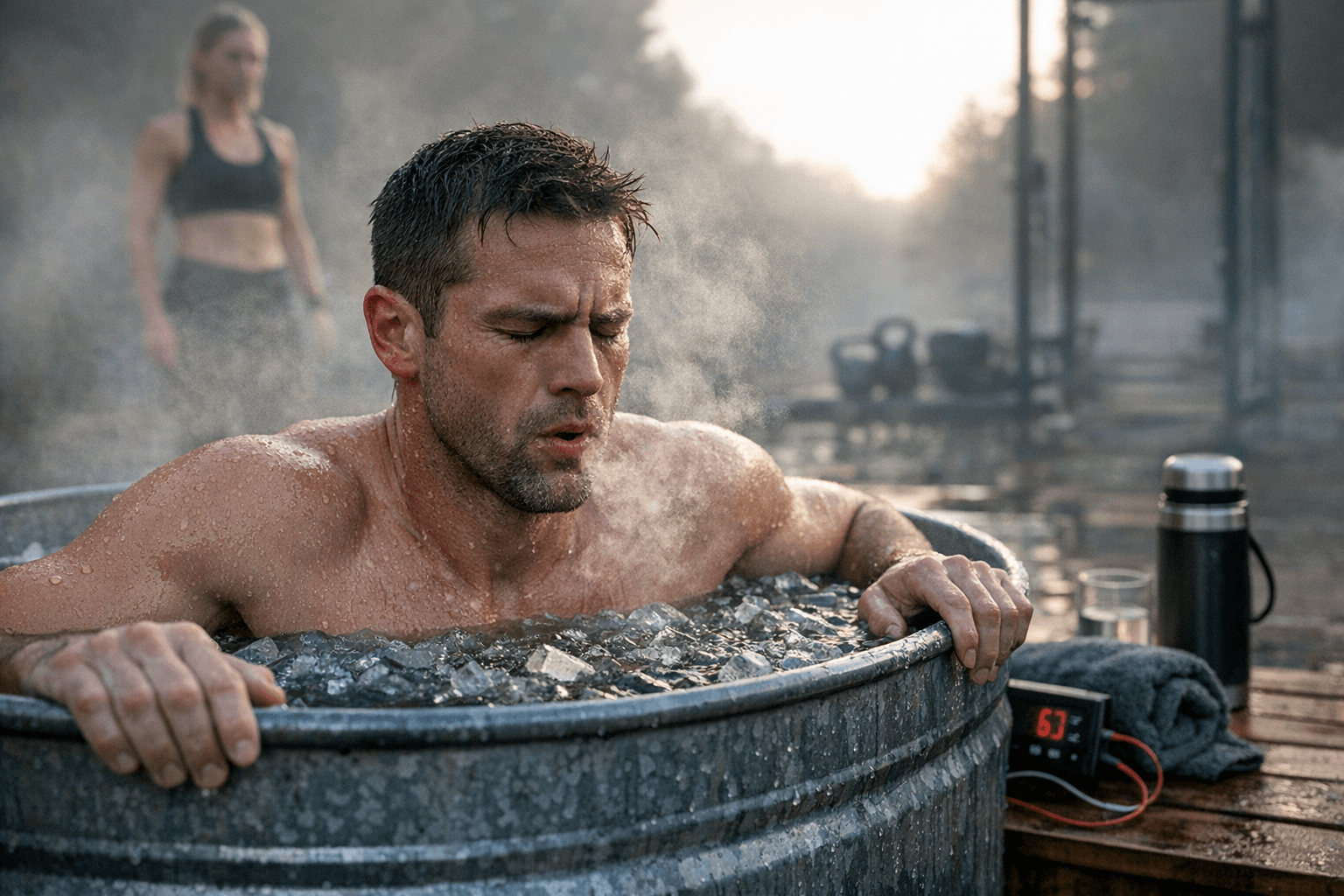
Practical setup and protocol tips: control the temperature, time your session, use slow, steady breathing during immersion, and rewarm gradually with warm clothes and a warm environment. Keep sessions short during winter or when starting, and track how your sleep, soreness and overall stress response change over days and weeks. If you experience chest pain, fainting, persistent numbness, or prolonged dizziness, stop and seek medical advice.
This is about measured gains not extreme exposure. Stepwise adaptation and clinician-informed precautions reduce risk and maximize the likely short-term perks of reduced soreness and lower stress reactivity. Community-tested tweaks like warming drinks after a plunge and having a partner nearby make the routine safer and more sustainable.
Our two cents? Start small, respect the cold, and make safety the non-negotiable part of your ritual. If it helps your recovery and mood, integrate it on recovery days; if you train for strength, avoid daily post-workout plunges. Stay chill, but stay smart.
Sources:
Know something we missed? Have a correction or additional information?
Submit a Tip