Practical Guide for Clubs, Shows, and Open House Events
A comprehensive guide is now available to help model railroaders join clubs, present layouts at shows, and host visitors at home. The guidance covers finding clubs, club etiquette, safety and insurance, event staffing, and follow up, giving hobbyists concrete steps to grow membership and safely share layouts with the public.
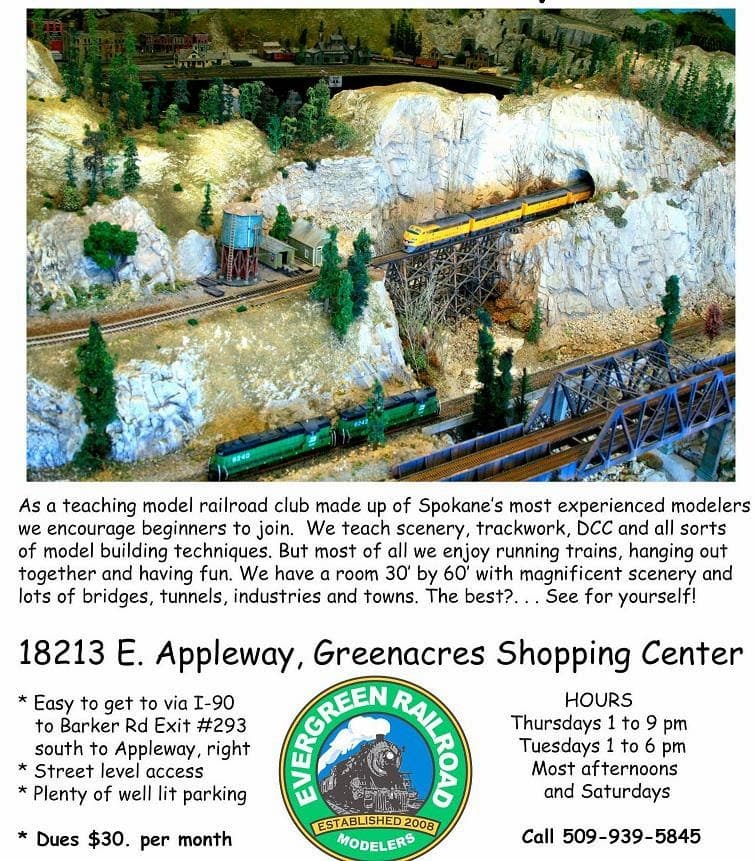
Model railroaders seeking to expand community ties or bring their layouts to a wider audience have a practical roadmap to follow. The guide opens with how to find and evaluate clubs, recommending searches of NMRA local divisions, Facebook groups, Meetup, and local hobby shops. Prospective members are urged to visit meetings and operating sessions as guests before committing, and to ask about club rules such as dues, work nights, and expectations for setups.
Once attached to a club or preparing to show a layout, attention to etiquette and operations is essential. The guide emphasizes punctuality, bringing required paperwork like consist cards and throttle instructions, and learning the club operating scheme whether it uses car cards, waybills, or freelanced switching. Operators should follow radio and LocoNet rules and seek orientation runs with a mentor to avoid costly mistakes on the layout.
Preparing a layout for public open house events requires both presentation and safety work. Recommendations include tidying workbench areas, clearing and labeling walkways, securing loose scenery, adding guard rails where visitors may lean, and improving lighting for photographs. Explanatory signage such as maps and notes on era and region will help visitors understand what they are seeing. Electrics should be secured and power cords kept out of paths, and homeowners or club officers should check liability coverage. For larger public events a short term event insurance policy is suggested.
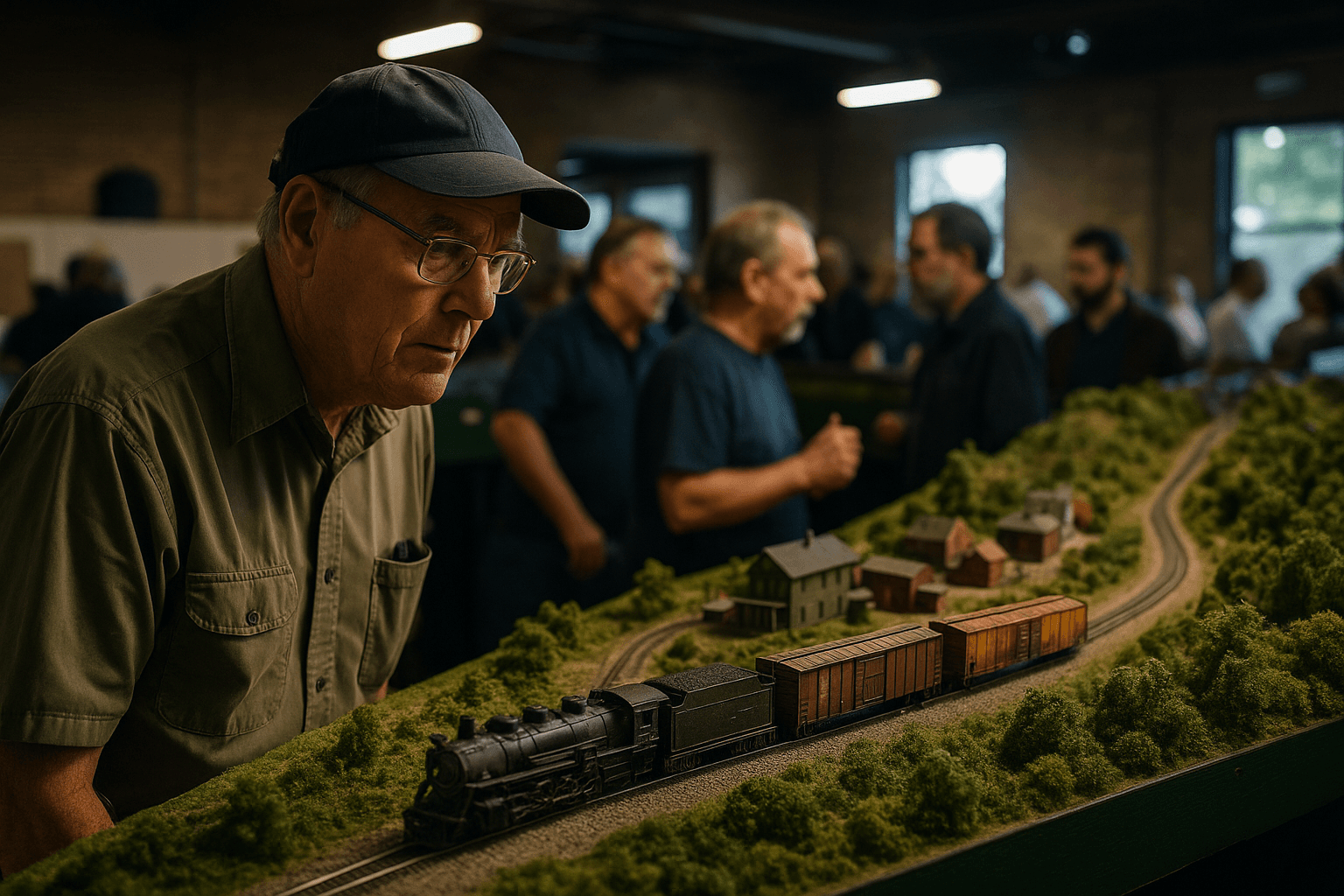
Staffing and visitor engagement are covered in detail. Rotating operators prevents fatigue, while assigning greeters, Q and A volunteers, a technician for on the fly fixes, and someone to handle sales or a raffle keeps events running smoothly. Hands on engagement such as a short demo script and supervised learn to run a train sessions for children can convert casual visitors into new members. Practical follow up matters too, collect visitor email addresses with opt in permission, post photos to social media, thank volunteers and sponsors, and log repairs needed after the event.
Finally the guide outlines modest fundraising and outreach options like raffles, small admission fees, refreshment sales, and partnerships with museums or libraries for seasonal displays. Taken together, these steps help hobbyists protect their layouts, welcome newcomers, and build stronger local model railroading communities.
Know something we missed? Have a correction or additional information?
Submit a Tip