Practical mindfulness exercises and tips to build daily habit
Simple mindfulness practices and tips to build a daily habit that reduces stress, sharpens focus, and fits into busy schedules.

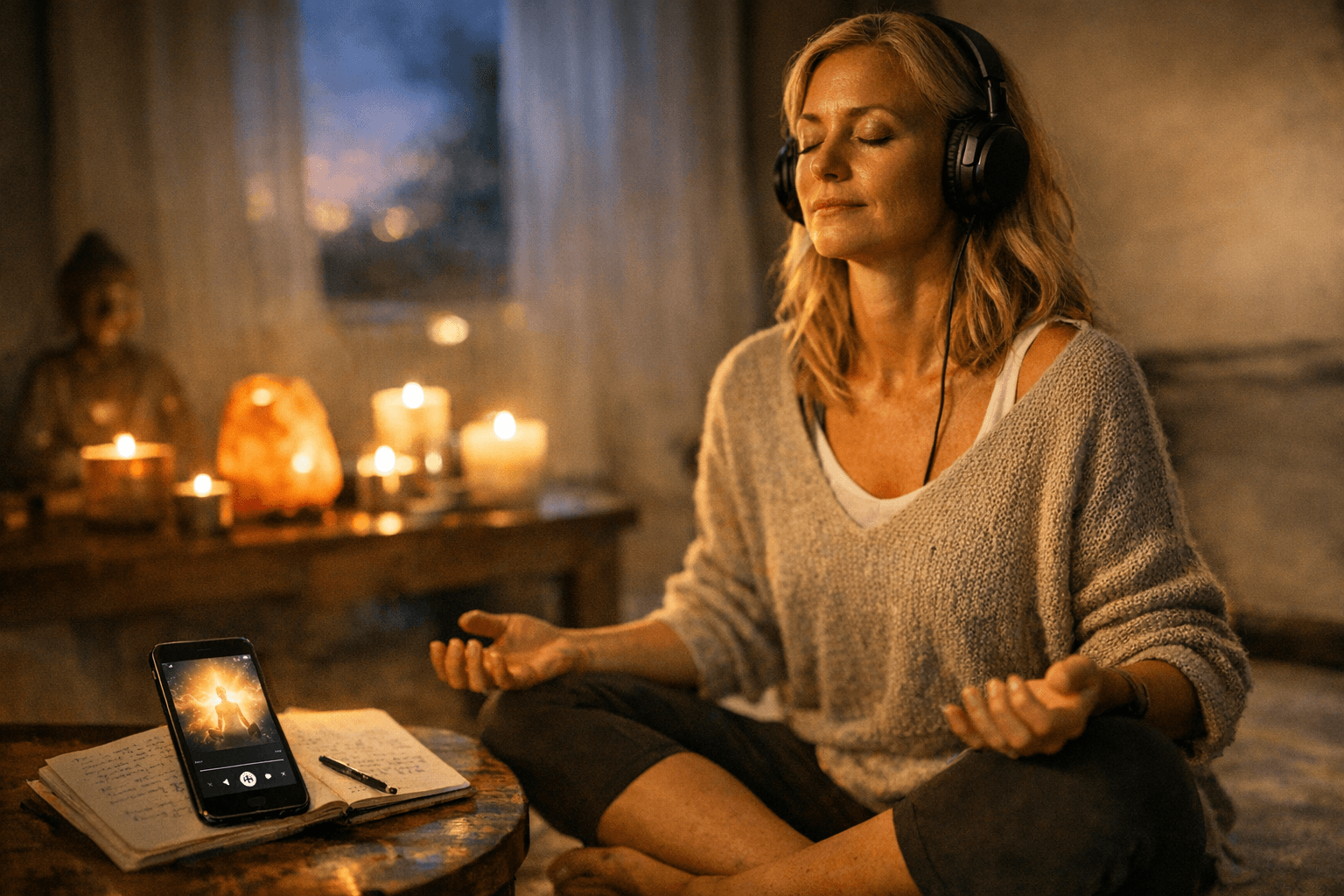
Mindfulness practice centers on present-moment, nonjudgmental awareness of thoughts, feelings and bodily sensations, and it can be built into your day with short, repeatable exercises. Start with 5-10 minutes a day and treat practice like a skill you develop through consistency rather than intensity.
Begin with breath awareness as your anchor. Sit or stand comfortably and notice the inhalation and exhalation, letting the breath be its own guide. If attention wanders, return with gentle curiosity instead of self-criticism. Use three-breath breaks as a micro-practice whenever you need to re-ground attention: inhale, exhale, repeat three times and note how the body responds.
A basic body scan gives a fuller map of sensation. Systematically move attention from the toes up through the legs, torso, arms and head, noticing tension, tingling or ease without trying to change anything. Mindful walking brings practice out of formal sitting and into movement. Attend to the sensations in your feet, the rhythm of steps, and how weight shifts from heel to toe. These steps make practice portable and practical for commutes, errands or moments between meetings.
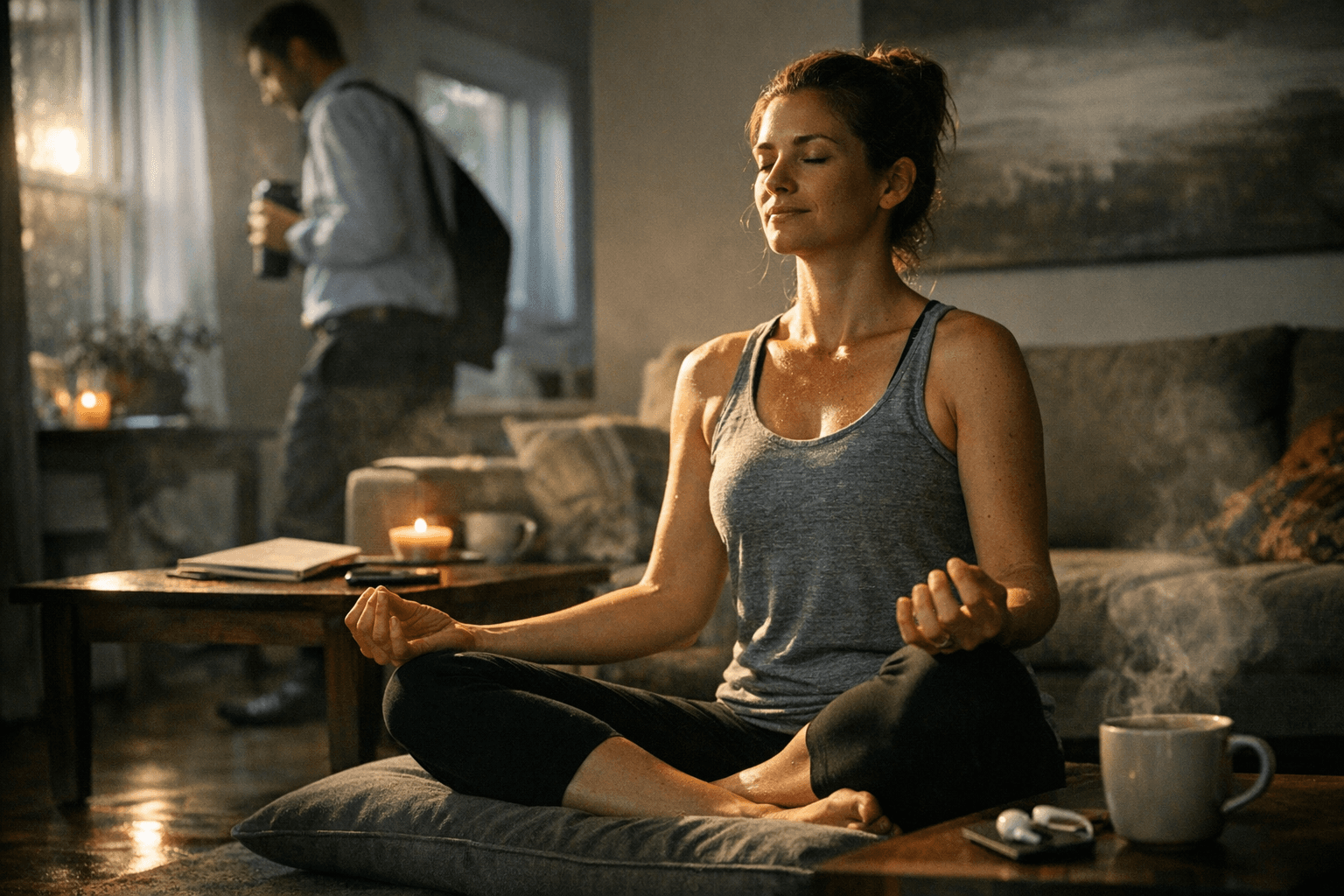
The benefits people report include reduced stress, improved focus and better mood. These are community-tested outcomes that show up when you make practice regular. To keep it sustainable, choose brief sessions that fit your day, pair practice with an existing routine such as morning coffee or lunchtime breaks, and keep expectations modest. Build a streak of small sessions rather than sporadic long sits.
There are cautions to keep in mind. Mindfulness is not a one-size-fits-all remedy, and those with severe psychiatric conditions should consult a clinician before embarking on intensive practice. If strong emotions surface during practice, pause and seek support rather than pushing through alone.
For everyday use, treat these exercises as tools you can pull out when focus drifts, stress ramps up, or you need a quick reset. Anchor your attention with the breath, map sensation with a body scan, and move mindfully when sitting feels impossible. Over time, these small practices add up and become accessible skills you can use anywhere.
What this means for you is straightforward: pick one micro-practice today, set a modest goal like 5-10 minutes, and notice changes in stress and focus over weeks. Keep curiosity front and center, and consult a clinician if you encounter intense distress as your practice deepens.
Know something we missed? Have a correction or additional information?
Submit a Tip