Practical Mindfulness Exercises to Start and Practice Safely Today
A clear, practical resource outlines step-by-step mindfulness exercises for both beginners and experienced practitioners, with safety guidance and tips for handling distracting thoughts. The guidance matters because it pairs accessible techniques, breath work, body-scan, walking meditation, guided imagery, and mindful daily habits, with cautions about when to seek professional help, making the practice safer and more useful for community members.

A comprehensive set of mindfulness exercises is available that explains what mindfulness meditation is and how to practice it safely. The material defines mindfulness as present-moment, nonjudgmental attention and lays out concrete practices you can use immediately, whether you are new to meditation or already established in a routine.
Core practices include focused breathing, where you count or simply track the breath to create an anchor; body-scan meditation, which moves systematic attention across the body to notice sensations; and walking meditation, where you attend to each step and the physical movement of walking. Guided imagery is offered as a structured way to use mental images for relaxation, and informal practices such as mindful eating or deliberate single-tasking extend mindfulness into everyday activities.
Practical structure is emphasized: start with short sessions and increase duration gradually as comfort and concentration grow. When distracting thoughts arise, observe them without judgment and gently return attention to your chosen anchor, whether breath, body sensations, or steps. These simple, repeatable instructions help you build resilience in practice and improve the chances that meditation becomes a sustainable habit.
The guidance also outlines documented benefits supported in the literature, including reduced stress, improved attention, decreased anxiety, and better sleep. Those community benefits translate into clearer focus at work, calmer responses in relationships, and healthier daily routines when practice is consistent.
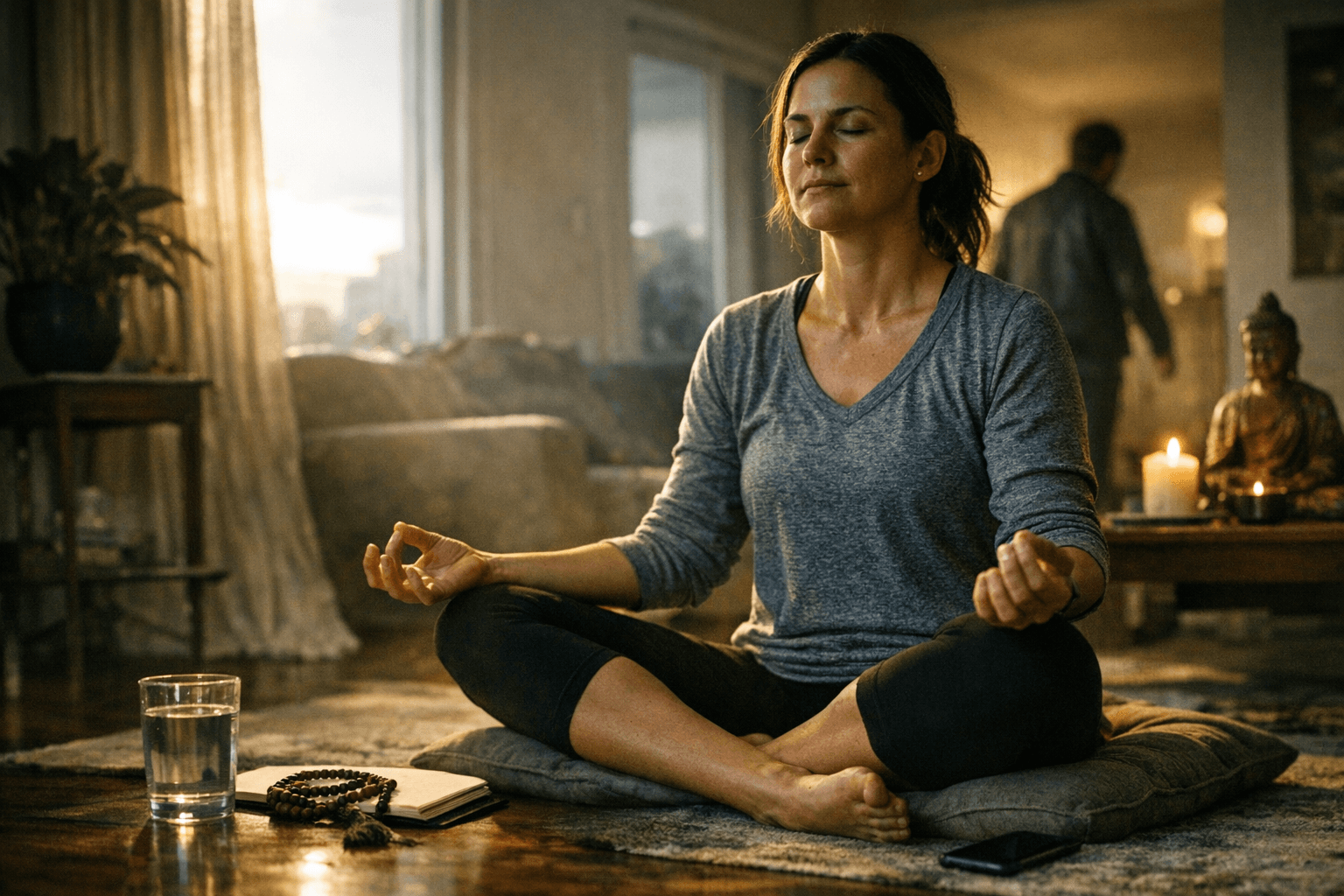
Safety and clear boundaries are part of the guidance. Mindfulness is not offered as a substitute for clinical care in high-acuity situations. If you have a history of trauma, severe anxiety, or other serious mental health conditions, seek professional help before beginning or intensifying a practice. The resource points out when to pause and consult a clinician, making it a practical tool for community members who want step-by-step instruction without overlooking risk.
For anyone curious about beginning or refining a practice, this resource serves as a straightforward how-to: short, guided starts, concrete techniques, and safety-minded advice that make mindfulness accessible and beneficial for everyday life.
Know something we missed? Have a correction or additional information?
Submit a Tip