Practical Mindfulness Guide Explains Benefits, Safety, and How to Start
A comprehensive guide lays out what mindfulness is, who can practice it, the evidence-backed benefits, and clear pathways to begin, ranging from structured 8-week courses to brief daily exercises. This matters because accessible, safe practices can reduce anxiety and depression symptoms, improve attention and relationships, and offer community members practical tools for everyday stress.
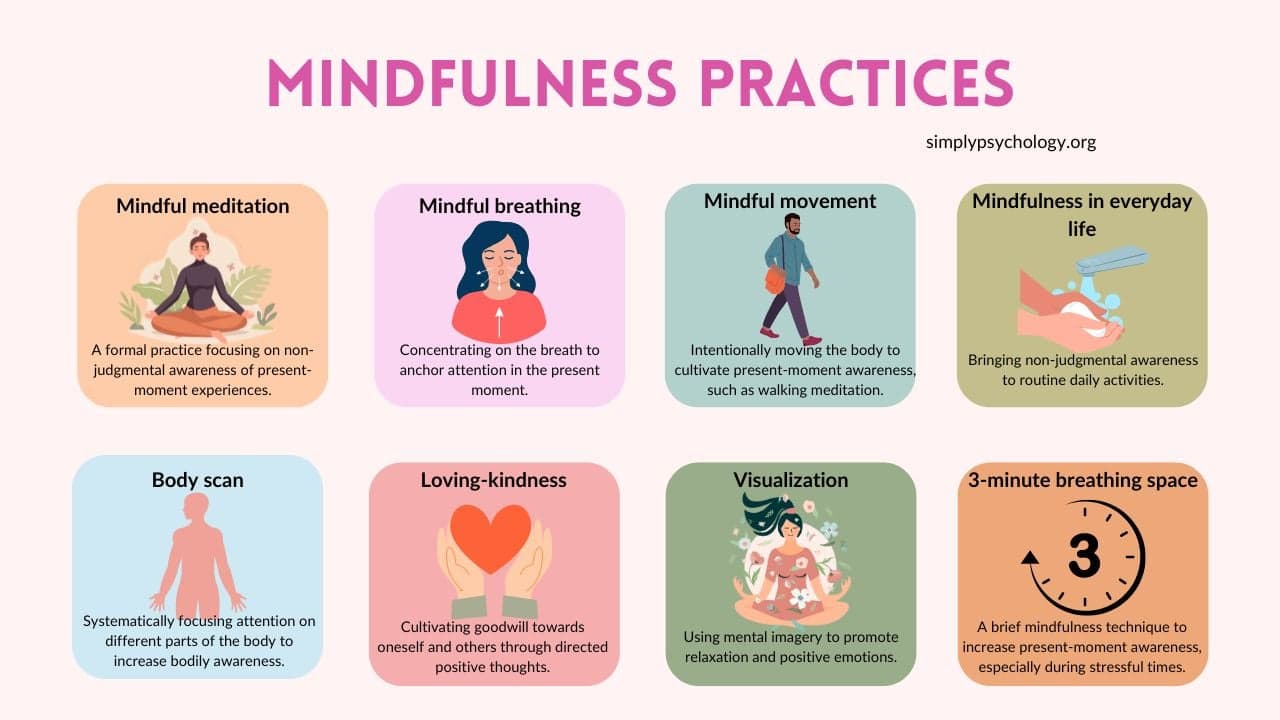
Mindfulness means paying non-judgemental attention to the present moment using techniques such as meditation, breathing exercises, and mindful movement. Evidence shows mindfulness-based approaches can reduce symptoms of anxiety and depression, improve attention and concentration, help you cope with difficult thoughts, and enhance relationships. Those outcomes make mindfulness a practical option for people looking to manage stress, sharpen focus, or strengthen emotional resilience.
Most people can learn mindfulness, whether or not they are religious, but practice requires care in certain situations. If you are acutely unwell or have post-traumatic stress disorder, approach mindfulness with caution and seek support from a trained clinician or facilitator. Mindfulness can sometimes be unhelpful or triggering; recognising that and choosing guided, supported practice is important for safety.
There are two clear pathways to learning: formal courses and self-guided practice. Structured programs such as MBCT, Mindfulness-Based Cognitive Therapy, and MBSR, Mindfulness-Based Stress Reduction, are typically delivered as eight-week courses by qualified facilitators. These programs include group sessions, home practices, and a curriculum designed to build skills progressively. Clinical recommendations endorse these approaches for certain conditions, and you can find further guidance through health services and clinical bodies.

If a formal course is not feasible, a wide range of self-guided resources can help you start. Books, apps, downloadable guides, and free audio sessions are effective ways to practise short exercises and build consistency. The Oxford Mindfulness Centre, for example, offers free audio sessions that are suitable for beginners. Short practices can be integrated into daily life: try mindful breathing for a few minutes, pay attention to sensations while eating, notice your posture and steps during routine activities, or choose a regular moment such as a morning commute or an evening walk to anchor your practice.
For community relevance, start small and practical. Set aside two to ten minutes daily, use guided audio if you’re new, and check qualifications when signing up for an eight-week course. If practice surfaces difficult emotions, pause and consult a trained facilitator or health professional. By balancing accessible self-practice with awareness of safety and clinical recommendations, mindfulness can become a sustainable tool for personal wellbeing and stronger community mental health.
Know something we missed? Have a correction or additional information?
Submit a Tip