Practical rig inspection guide for catamaran owners and cruisers
Learn a step-by-step deck-to-top rig check for catamarans that highlights common wear points, maintenance priorities, and when to call a pro.
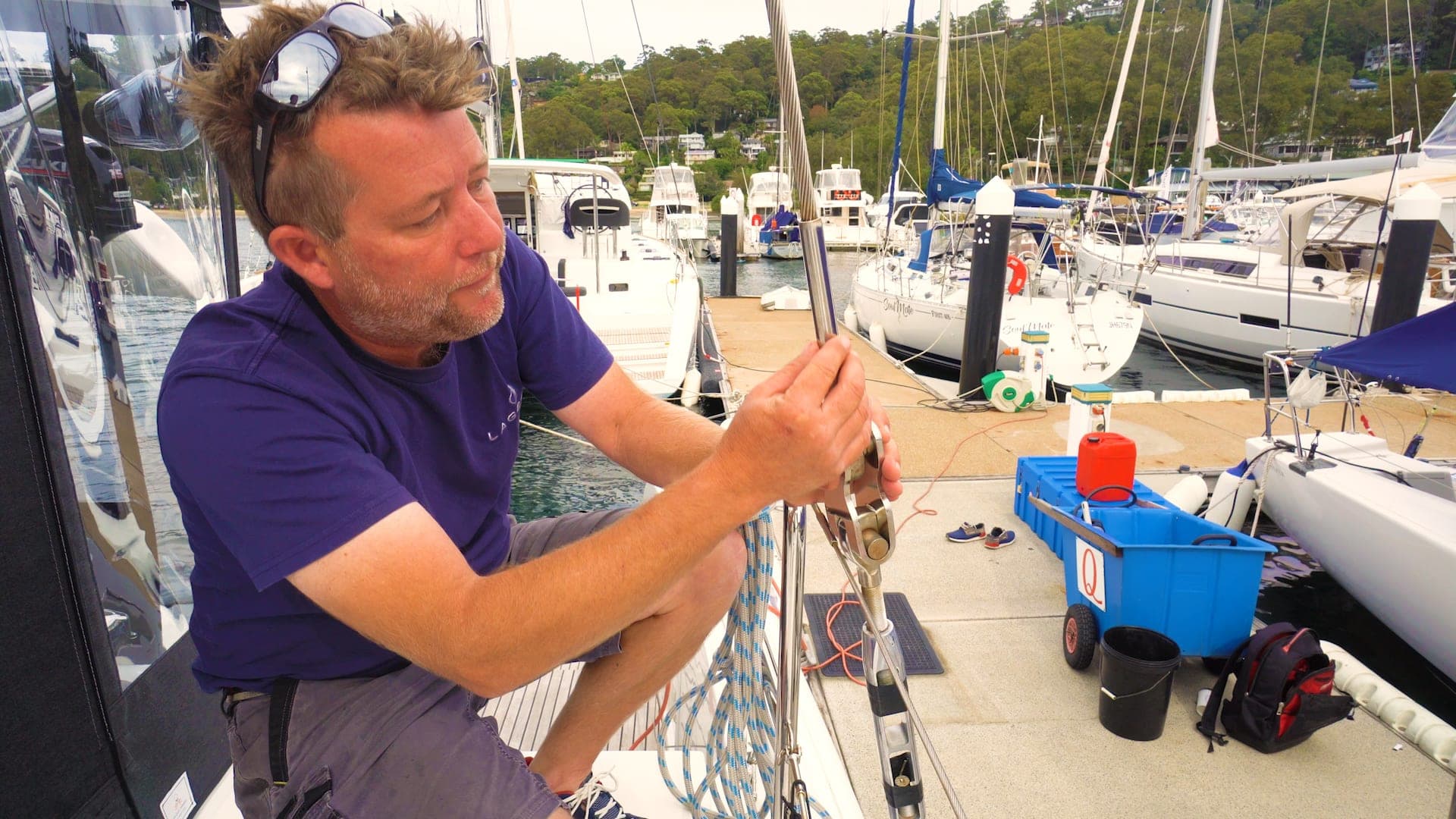
Start every inspection with a plan: work fore-to-aft, document as you go, and don’t rush. Below is a sequential checklist that walks you from forestay to masthead, explains what to look for, and gives practical steps that save you headaches offshore.
1. Start at the forestay and furling gear
Inspect clevis pins, split pins and toggles at the forestay attachment first; these are small parts that fail big. Operate the furler through a full revolution to ensure smooth action, listening for grinding and checking the drum attachment hardware and swivel. If the furler feels sticky or has slop, tag it for immediate service—failing furlers are frequent cause of sail-control emergencies.
2. Check crossbeams, fore beams and prodders
Move aft to the crossbeams and fore beams and inspect every fastening, rivet and bracket where beams join the hulls; look for cracked laminate, corrosion or loose bedded hardware. Pay special attention to prodders and fulcrum points: any movement or play can indicate bearing wear or hull attachment fatigue. Secure beams early—structural movement transfers loads into rigging and creates cascading failures.
3. Inspect standing rigging and terminals
Examine all shrouds and stays closely for broken strands, corrosion, crushed terminals or fretting at contact points; even a single broken strand near a terminal is a red flag. Check swage fittings and toggle areas for cracking and corrosion and make sure turnbuckles are correctly safety-wired or pinned and have adequate thread engagement. If terminal shoulders show distortion or barrels rotate, schedule replacement—these are primary load paths and not places to gamble.
4. Examine spars and spreaders
Scan the mast and boom for dents, impact marks, signs of compression or corrosion; soft spots or buckling require professional assessment. Inspect spreader bases and tang attachments for security and hairline stress cracks; a failed spreader tang will rapidly change rig geometry. Walk the mast track and mast fittings: ensure halyards lead cleanly, sheaves rotate freely and any lost grease or corrosion is addressed to avoid snagged halyards.
5. Review running rigging and deck hardware
Check all halyards, sheets and control lines for chafe, UV degradation and hard spots; replace any lines with core exposure or excessive wear. Service and grease winches, blocks and clutch jaws per manufacturer schedules—poorly maintained winches fail when you need them most. Verify that backing plates are secure under deck hardware and that there are no fresh leaks around fastenings; a loose backing plate on a catamaran can tear into the deck under load.
6. Inspect mast-top and above-deck systems
If you climb aloft safely and are qualified, inspect masthead fittings, halyard terminations, vang and topping lift attachments and antenna/radar wiring runs for chafe and secure routing. If you don’t go aloft yourself, photograph the lower rigging and mast areas and book a professional rigger for an annual close inspection or after heavy weather. Properly dressed electrical runs and tidy halyard leads reduce corrosion and prevent shorts in communication and navigation gear.

7. Perform pre-passage and scheduled professional checks
Do a basic rig check before any offshore passage: quick look for pins, visual shroud check, furler action and a winch function test. Complement that with a full professional inspection at least every 12 months and after any significant storm or your first major offshore voyage. Professionals detect fatigue you can miss; think of the pro survey as an investment in avoiding an emergency haul-out.
8. Keep photographic records and log maintenance
Photograph suspect areas, label images by date and store them with your logbook entries of rig tension settings, terminal replacement dates and past repairs. A simple before-and-after photo set makes it easy to spot progressive wear and speeds up conversations with riggers and insurers. Digital records also help you track component lifetimes and budget for replacements.
9. Fix small problems early to avoid big failures
Address worn pins, loose split pins, corroded toggle heads and frayed serving immediately—small parts are inexpensive and quick to replace, whereas failure at sea is expensive and dangerous. Re-serve turnbuckles, replace abraded halyards and nip identified chafe points before they become emergency repairs. Pragmatic maintenance now saves nights on the wire later.
10. Follow manufacturer service schedules and use qualified help
Service winches, furlers and blocks according to manufacturer intervals and keep spares of commonly failing items aboard: split pins, shackles and a service kit for winches. Choose qualified riggers for replacements and tension-setting; ask for torque or tension records and a written report after work is completed. A good rigger is part of the cruising community—build that relationship before you need it.
Closing practical wisdom Rig checks are not a laundry list—they’re a habit that keeps your catamaran safe and sailing longer. Work methodically, document everything, and treat tiny defects like the canaries they are: they sing before the mine collapses. Spend some time now inspecting and recording, and you’ll spend far fewer nights fixing problems underway.
Sources:
Know something we missed? Have a correction or additional information?
Submit a Tip