Practical rights and steps for Target team members facing workplace issues
Guidance for Target team members on immediate safety, wage rights, and reporting channels. Know how to respond, document, and seek help.

If you face a safety incident, wage dispute, or managerial problem at work, the first priority is your personal safety and then documentation. For threats, violence, or medical emergencies, call 911 immediately and follow your store’s emergency protocols. Where it is safer, move to designated safe areas such as back rooms or break rooms and notify store leadership and HR as soon as feasible.
Interactions with law enforcement have specific boundaries. Federal officers can be in public areas of stores, but if agents seek to enter employee-only spaces ask to see a warrant or legal paperwork and notify on-site leadership and HR. Do not obstruct lawful official activity, but document the encounter if it is safe to do so: record names, badge numbers and capture video only when it won’t escalate risk. Report any concerns about improper conduct to HR and consider contacting counsel if your rights appear violated.
Wage and hour questions are common on the sales floor. Federal law under the Fair Labor Standards Act and many state laws require employers to pay for all time worked, including overtime and off-the-clock work. Keep clear records of your schedules, missed breaks and any work performed outside clocked time. Start by raising discrepancies with store HR or your payroll team; if those conversations fail to resolve the issue, you can file complaints with your state labor office or the U.S. Department of Labor Wage and Hour Division.
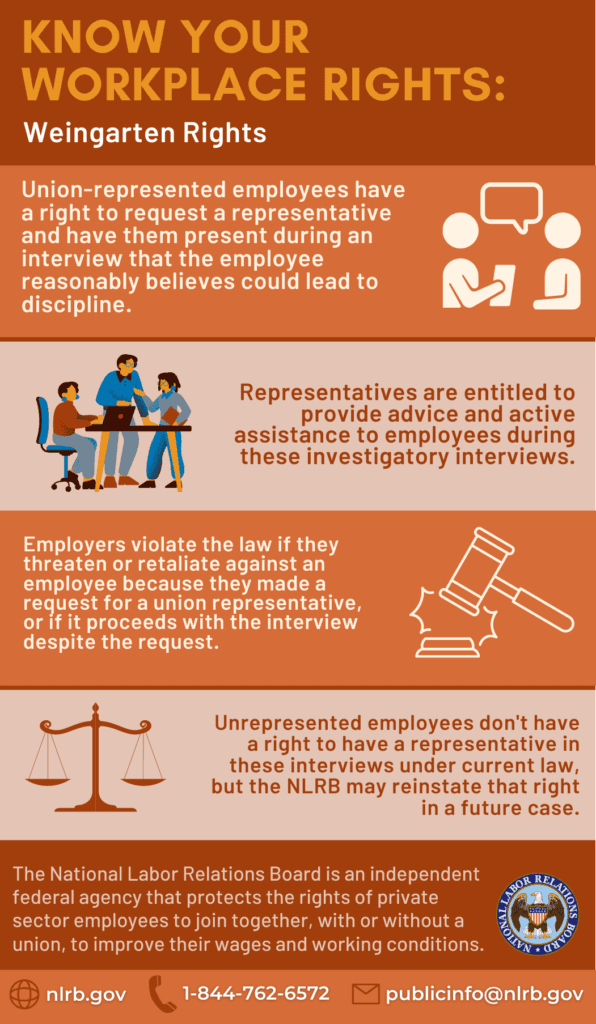
Target’s internal channels exist for ethics and retaliation concerns. Use the ethics hotline, HR contacts or the company reporting portal to submit complaints, and save copies of all communications. If you encounter retaliation for raising safety concerns, reporting misconduct or engaging in organizing activity, you may have protections under the National Labor Relations Act. Document incidents carefully and reach out to the NLRB or an employment attorney for guidance.

Union activity and collective action are protected in many contexts but can lead to workplace friction. If you are considering organizing, document workplace issues, consult a union representative, and review NLRB materials about protected concerted activity. Clear records and coordinated steps reduce risk and help clarify whether behavior you face is lawful or unlawful.
For benefits and post-separation questions - severance, COBRA or mental health support - consult the Team Member Hub or contact HR/Total Rewards. After traumatic incidents, use any employee assistance programs for counseling and immediate support. For serious legal claims such as assault, unlawful detention, wage theft or discrimination, preserve documents and screenshots and seek qualified employment or civil-rights counsel; worker-advocacy groups and state labor offices can assist with filings.
Document consistently, follow store protocols and use internal channels early. Good recordkeeping and timely reporting protect your pay, safety and legal options, and they shape workplace dynamics by clarifying responsibilities and exposing patterns that need fixing. Keep checking Team Member Hub and official federal and state agency guidance for updates so your next steps stay current.
Know something we missed? Have a correction or additional information?
Submit a Tip