Practical sourdough starter guide for consistent home baking success
Learn how to build, feed, troubleshoot, and maintain a lively sourdough starter for artisan loaves and discard recipes.
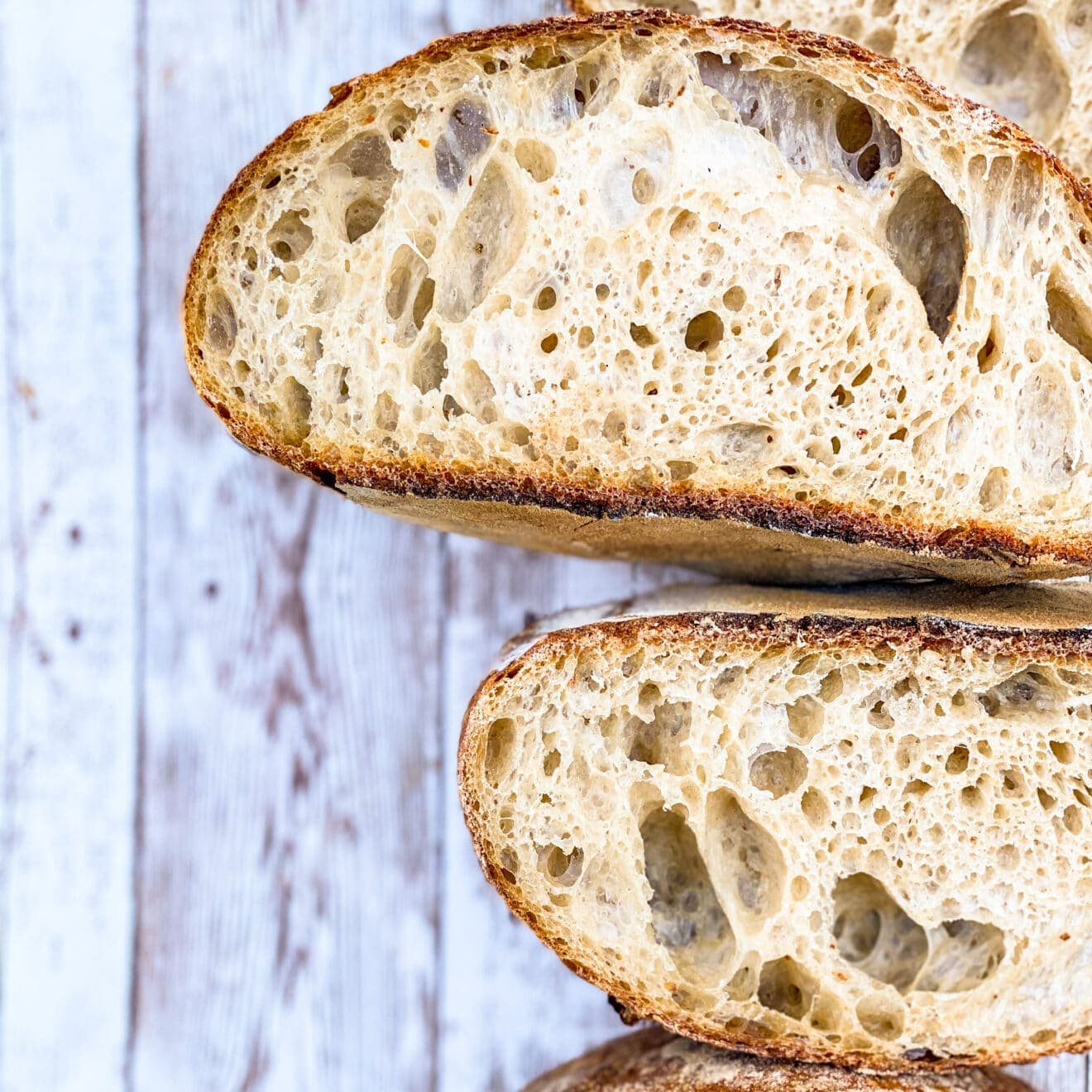
1. Starter basics: how to create from scratch
Begin with whole-grain flour, rye or whole wheat are excellent because they provide a diverse bacterial and yeast population to jump-start activity. Mix equal parts flour and water by weight (for example 50 g flour + 50 g water) in a clean jar, cover loosely, and let sit at room temperature. Expect a few days of slow changes before you see bubbles; patience at this stage builds flavor and resilience.
2. Feeding schedule: moving to regular feedings
Start with daily or twice-daily refreshments as the culture establishes; once activity increases, progress to a consistent twice-daily feeding to build strength. Feed by discarding a portion (see item 4) and adding fresh flour and water at a chosen ratio, common home ratios are 1:1:1 by weight (starter:flour:water) or higher to speed fermentation. A predictable schedule trains your starter to be reliably active for baking windows and reduces surprises on bake day.
3. Signs a starter is ready to bake
Look for consistent doubling in volume 6–8 hours after feeding, a lively surface full of visible bubbles, and a tangy but clean aroma, these are the starter’s green flags for readiness. Timing can vary with temperature and flour, but reproducible doubling and a stable rise-and-fall pattern mean you can use a predictable amount for your dough. If your starter peaks sooner or later, adjust feeding intervals or room temperature to match your baking rhythm.
4. Discard and managing starter volume
Discarding is a practical tool, not waste: removing most of the jar’s contents before feeding keeps the microbial population vigorous and prevents runaway volume. Regular discards concentrate the active organisms and let you maintain a manageable jar size without overfeeding. Save discard for recipes (see item 8) so nothing goes to waste, and remember discard frequency ties directly to how often you bake and how large a starter you maintain.
5. Temperature and hydration: dialing in environment
Temperature heavily influences fermentation speed, warmer environments speed activity while cool slows it, so match feeding intervals to your kitchen conditions. Hydration matters too: a 100% hydration starter (equal flour and water by weight) is common and easy to work with, while stiffer starters ferment more slowly and can yield different flavor and crumb. Use a thermometer, or learn your own kitchen’s rhythm: if your starter peaks in 4 hours, you may be feeding too infrequently for that temperature.
6. Troubleshooting common issues
If the starter is sluggish, try warmer temperatures, more frequent feedings, or a small boost of whole-grain flour to introduce new microbes; sometimes a refreshed schedule restores activity. Hooch (a thin layer of dark liquid) signals hunger, it’s not dangerous; pour it off or stir it back in and feed more promptly. Off-colors, fuzzy mold, or unpleasant rotten smells indicate contamination, discard the starter and start fresh to be safe.
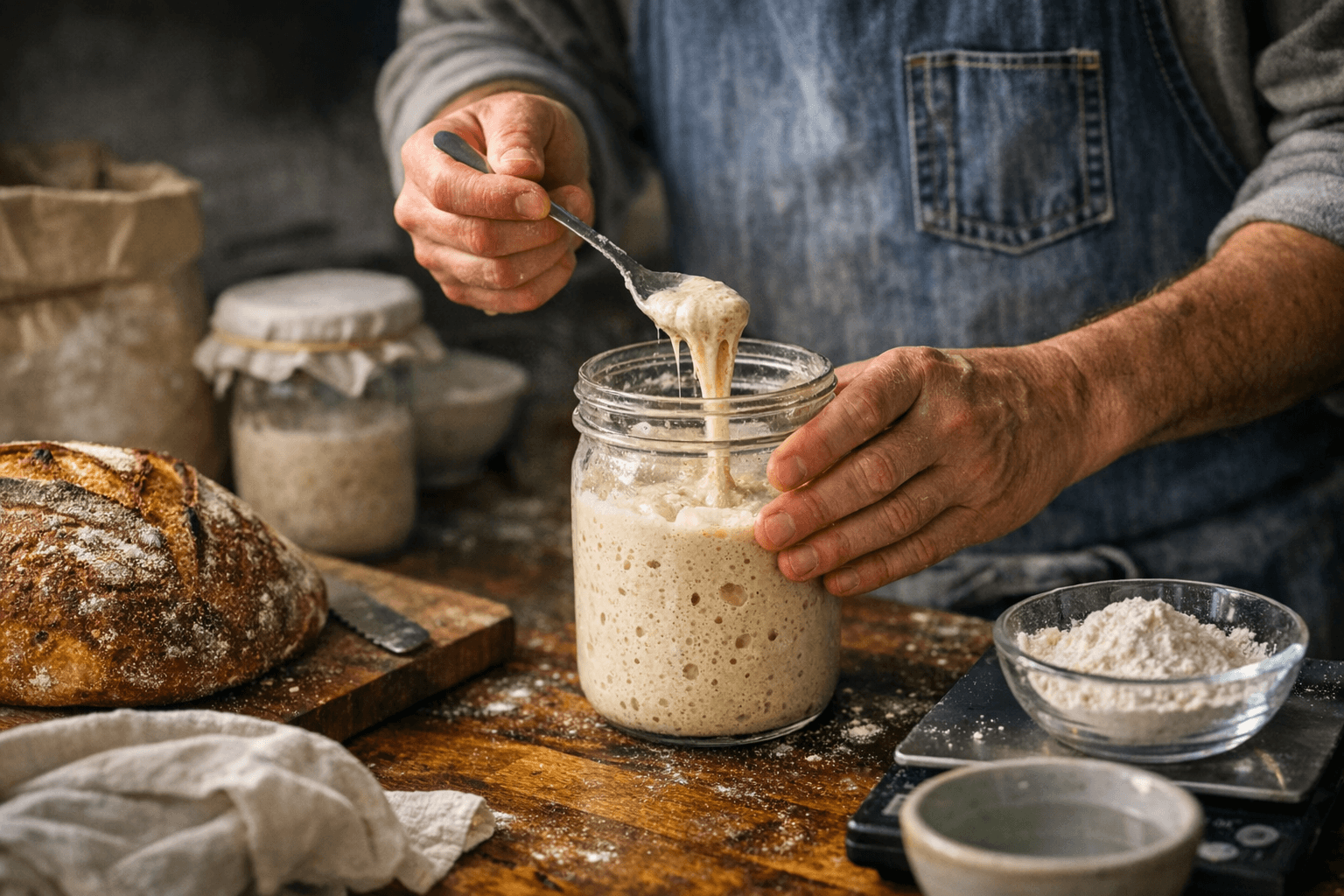
7. Maintenance options: room temperature vs refrigeration
Keep starters at room temperature with daily feedings if you bake frequently; this keeps the culture ready and predictable without long awakenings. For less frequent bakers, refrigeration with weekly or biweekly feedings is practical: chill the starter, then revive with a couple of room-temperature feedings before baking to bring vigor back. Choose the method that fits your schedule, both routes are legitimate paths to great bread.
8. Putting starter to work: recipes and uses
A mature starter can leaven artisan loaves, be converted to a stiffer starter for certain breads or pizza, and be the star ingredient in discard recipes like pancakes and crackers that celebrate your upkeep. For loaves, rely on measured levain builds and predictable feeding so you can time proof and bake windows; a strong levain yields better oven spring and flavor. Treat discard recipes as community-minded recycling, share extra batches at potlucks and watch neighbors fall in love with your crumb.
- Scale: accuracy for consistent feeding and baking.
- Mark jar: instant visual feedback on activity.
- Non-chlorinated water: healthier microbes, clearer results.
9. Practical tools, habits, and small workflows
Use a scale for precise, repeatable feedings and dough builds; grams remove guesswork and reduce erratic behavior from the starter. Mark jar levels with a rubber band or tape to track rise and doubling; simple visual cues save a lot of headaches. Prefer non-chlorinated water when possible, and keep a clean jar and spoon, small hygiene habits protect flavor and reduce contamination risks.
10. Companion resources and community relevance
Resources like King Arthur Baking’s starter guide and companion pages are widely used because they combine step-by-step instructions, troubleshooting, and starter-to-recipe connections in one place. Community bakers trade tweaks, flour swaps, proofing tricks, and discard favorites, and these shared learnings speed your rise from tentative rookie to confident baker. Engaging with local bake groups or online forums accelerates troubleshooting and gives you fresh recipe ideas built on the same starter foundation.
Practical closing wisdom Sourdough is more kitchen science than mystery: set a simple routine, keep a few reliable measurements, and let the starter tell you when it’s ready. When in doubt, feed, wait for the double, and bake, your crumb, crust, and community will thank you for the consistency.
Know something we missed? Have a correction or additional information?
Submit a Tip