Pranayama basics and safety: breathwork guide for yoga practitioners
Pranayama breathwork offers accessible tools to reduce stress and support yoga practice; beginners can learn simple techniques and follow safety guidance to practice confidently.
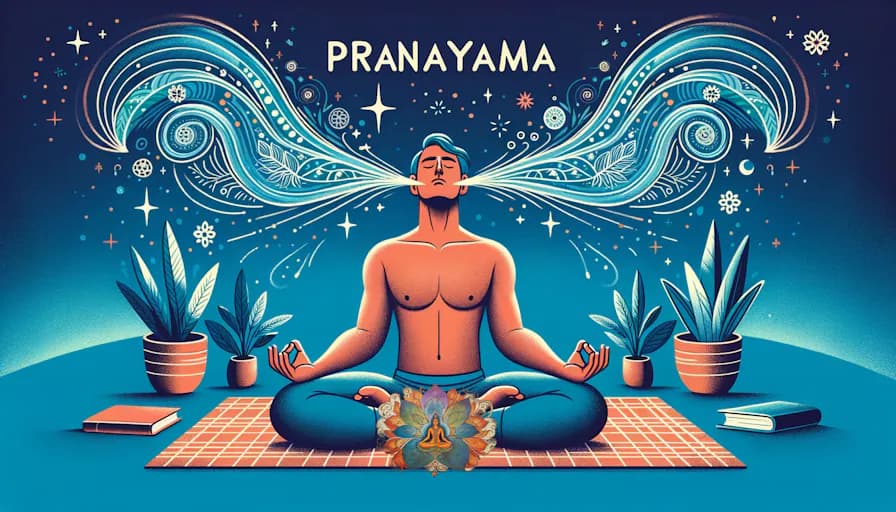
Pranayama, often called yogic breathwork, refers to structured breathing practices that manipulate the inhale, retention and exhale phases to influence nervous system balance, attention and physiological state. For yoga students and teachers, these techniques are a compact, high-impact tool: short daily sessions can amplify the benefits of asana and meditation and slot easily into restorative or beginner classes.
Clinical studies link controlled breathing with reduced perceived stress and anxiety, improvements in sleep, modest blood-pressure reductions and measurable effects on vagal tone and heart-rate variability. Some pilot work shows potential improvements in lung function for select patient groups, and randomized trials indicate benefits for anxiety and emotion regulation. Evidence quality varies by technique and population, and larger, rigorous trials continue to appear, but the overall pattern supports pranayama as a low-cost, low-barrier practice with physiological and psychological effects.
Teachers and students should start with accessible, low-risk techniques. Box or equal breathing (Samma Vritta) uses inhale-hold-exhale-hold with equal counts, an easy example is 4:4:4:4, and is especially useful for calming and sharpening focus. Alternate-nostril breathing (Nadi Shodhana) involves gentle, rhythmic switching between nostrils to center attention and provide short-term stress relief. Humming Bee Breath (Bhramari) pairs a slow inhale with a long humming exhale to release immediate tension. Gentle diaphragmatic breathing emphasizes slow, full belly breaths to engage the parasympathetic system and ease the body into rest.
Practical safety advice matters. Beginners should begin with short sessions of three to five minutes, building time as comfort and tolerance increase. Avoid forceful breath holds or rapid breaths if you are pregnant, hypertensive or have serious cardiopulmonary conditions. Consult a clinician before attempting vigorous pranayama techniques such as Kapalabhati or Bhastrika. When in doubt, start with diaphragmatic or box breathing and learn under an experienced instructor.
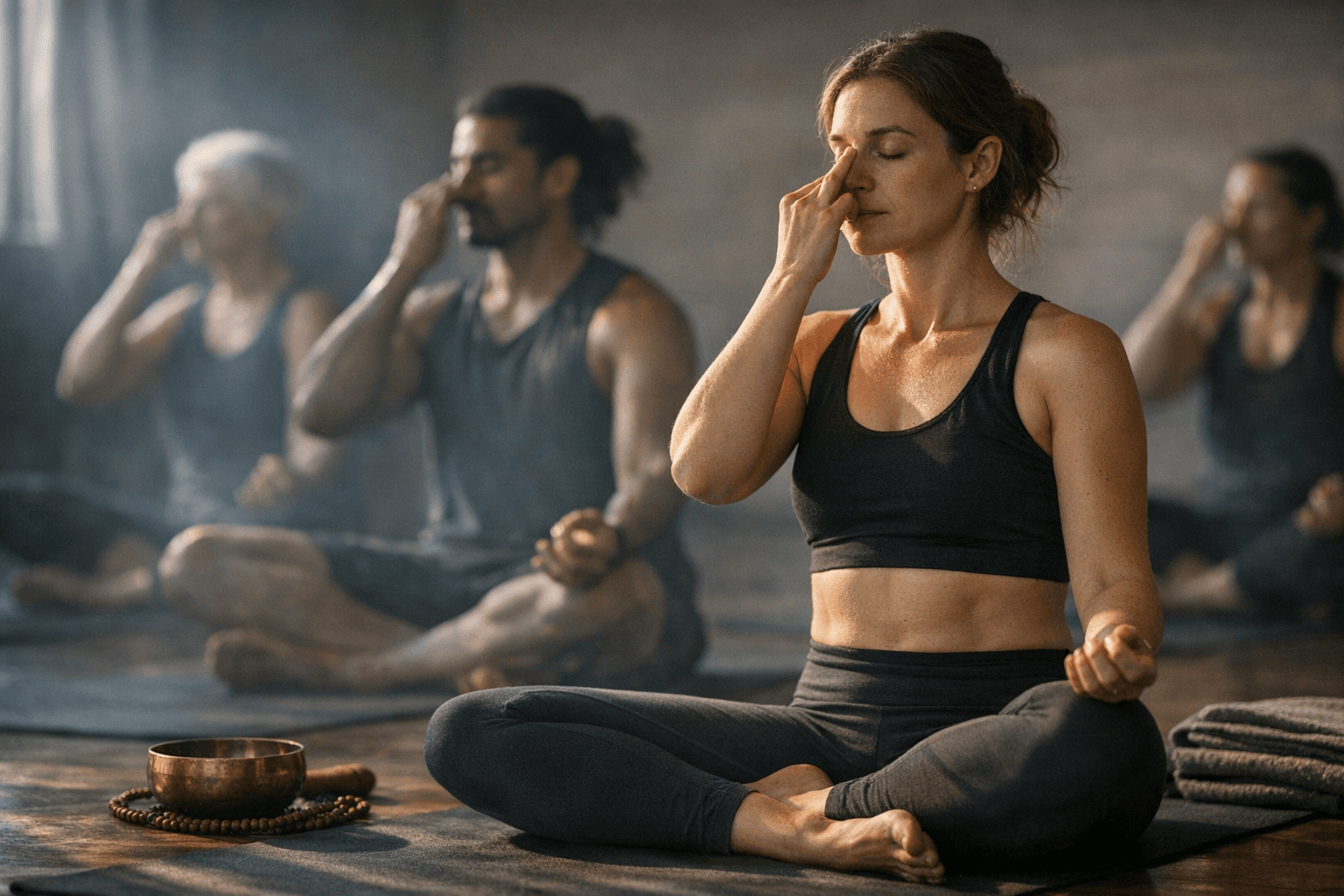
For community practice, pranayama is an inclusive piece of the toolkit: it requires no props, fits into a morning warm-up or evening wind-down, and can be adapted for chair or mat classes. Teachers can weave brief breathwork cues into sequencing to help students access calm and regulation between poses. Students can track small wins, better sleep, calmer mornings or steadier attention in meditation, as markers of progress.
What this means for your practice is simple and actionable: treat the breath as a daily micro-practice. Try brief, guided sessions of box breathing or Bhramari, respect contraindications, and seek qualified instruction for advanced techniques. As research grows, expect clearer guidance on which pranayama methods best match specific goals, but the immediate benefit is practical and available now.
Know something we missed? Have a correction or additional information?
Submit a Tip