Prank Trader Joe's Banner Sparks Social Buzz and Hiring Inquiries in Maryland
A prank banner in a small Maryland town promised a Trader Joe's and generated hundreds of social replies before people learned it was a high-school joke.
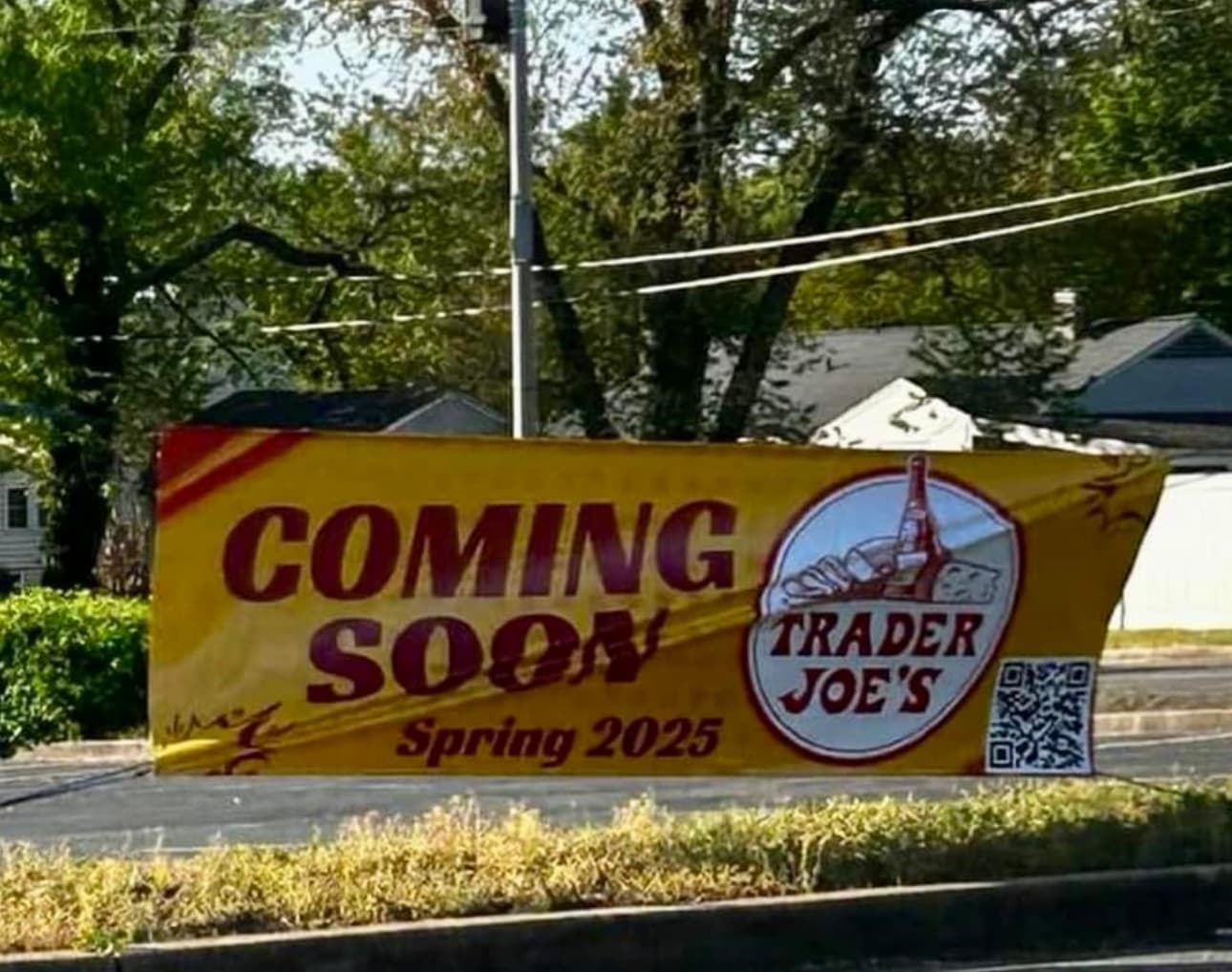
A "Trader Joe's coming soon" banner posted in a small Maryland town set off a flurry of online conversation and local curiosity before residents discovered the sign was a high-school prank. The banner drew hundreds of replies on social platforms as neighbors debated whether a new grocery option and related jobs were on the way, only to learn the banner's QR code played a song rather than linking to official store information.
Initial excitement centered on the prospect of new retail jobs and easier access to specialty grocery items. Local social feeds filled with questions about hiring timelines, store location guesses, and speculation about the economic impact on existing grocers. The reveal that students were behind the stunt left many residents disappointed, and it highlighted how quickly rumors about store openings can spread in small communities.
The episode matters for workers and workplace teams because unverified signals of new store development can generate substantial inbound interest for recruiters and municipal staff. When communities believe a major retailer is arriving, that belief often translates into calls to town planners and emails to local human resources contacts asking about hiring, wages, and schedules. Even a prank can create temporary spikes in public inquiries that store managers and HR teams must triage, slowing response to legitimate applicants and complicating communications about actual openings.
Retail employers and local officials also face reputational and operational risks when false information circulates. Social buzz can pressure planning departments to confirm or deny permit activity, and it can create unrealistic expectations among job-seekers about the timing and scope of hiring. For stores genuinely planning expansion, premature rumor can inflate community expectations and complicate staffing forecasts. For workers, the episode underscores the emotional stakes tied to major hires - a potential new store means new crew positions, shift options, and career pathways that communities quickly rally around.

The prank also offers a reminder about the role of modern signage and QR codes in shaping perceptions. A single banner with a scannable code was enough to catalyze widespread attention, showing how low-cost grassroots actions can produce outsized effects on local labor markets and public discourse.
For employees, HR teams, and municipal officials, the practical takeaway is to monitor social channels closely and to establish clear, rapid lines of communication about development and hiring. Verify official announcements before responding to applicant demand, and be ready to clarify whether a store opening is confirmed. The prank may have been a high-school joke, but its ripple effects illustrate how sensitive local hiring ecosystems are to even small signals of new retail activity.
Sources:
Know something we missed? Have a correction or additional information?
Submit a Tip