Precious metals surge to fresh records as Fed cuts and geopolitics drive demand
Precious metals rally on renewed Fed easing bets and geopolitical risk, pushing gold, silver and platinum to session records and reshaping market positioning.
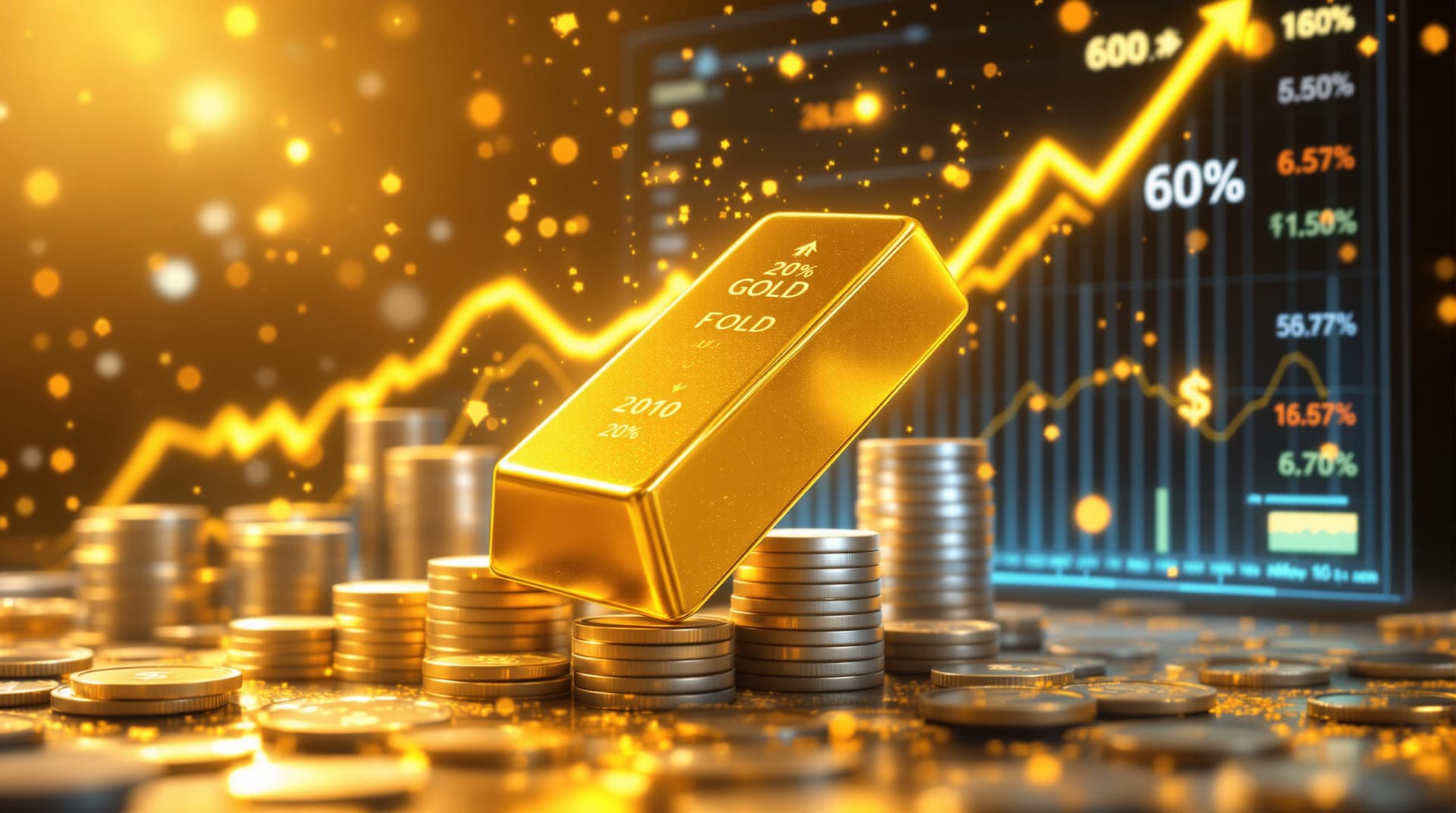
Precious metals extended a multi-session, record-setting rally on Jan. 23, 2026, as investors priced expectations for Federal Reserve easing, a softer U.S. dollar and heightened geopolitical uncertainty. Spot gold climbed toward a fresh intraday high near $4,966.59 an ounce, with U.S. February futures trading around $4,964.60, up roughly 1.1% on the session. Silver and platinum also touched session records, with spot silver peaking near $97.44 an ounce and spot platinum earlier reaching about $2,684.43 an ounce.
Market participants have pushed pricing toward at least two quarter-percentage-point Fed cuts later in 2026, with many traders expecting two 25-basis-point moves in the latter half of the year. That shift in rate expectations has weighed on real yields and bolstered the appeal of non-yielding bullion as an inflation and currency hedge. Economists and traders are watching upcoming U.S. data, notably Personal Consumption Expenditures inflation and weekly jobless claims, for fresh guidance on the pace and timing of policy easing.
A softer U.S. dollar amplified the metals’ advance. A key gauge of the currency was down roughly 0.8% for the week, and the U.S. dollar index fell to a more-than-two-week low, boosting dollar-priced commodities. At the same time, ongoing geopolitical tensions fed safe-haven flows into gold and related metals. In Brussels, an EU emergency summit followed a high-profile U.S. statement that President Donald Trump had secured "total and permanent U.S. access to Greenland," a remark that prompted NATO officials to call for stepped-up Arctic security amid concerns about Russia and China; Denmark reiterated that sovereignty over Greenland was not open for discussion. Those frictions have been cited by market participants as a trigger for risk-off positioning into metals.
Structural demand also underpinned prices. Central bank purchases and growing holdings in gold-backed exchange-traded funds have added longer-term support, while forecasts from major financial institutions have ratcheted higher: one large bank raised its gold target for December 2026 to $5,400 an ounce from $4,900. That kind of revision reflects a reassessment of macro fundamentals including lower terminal rates, de-dollarization trends and persistent geopolitical uncertainty.
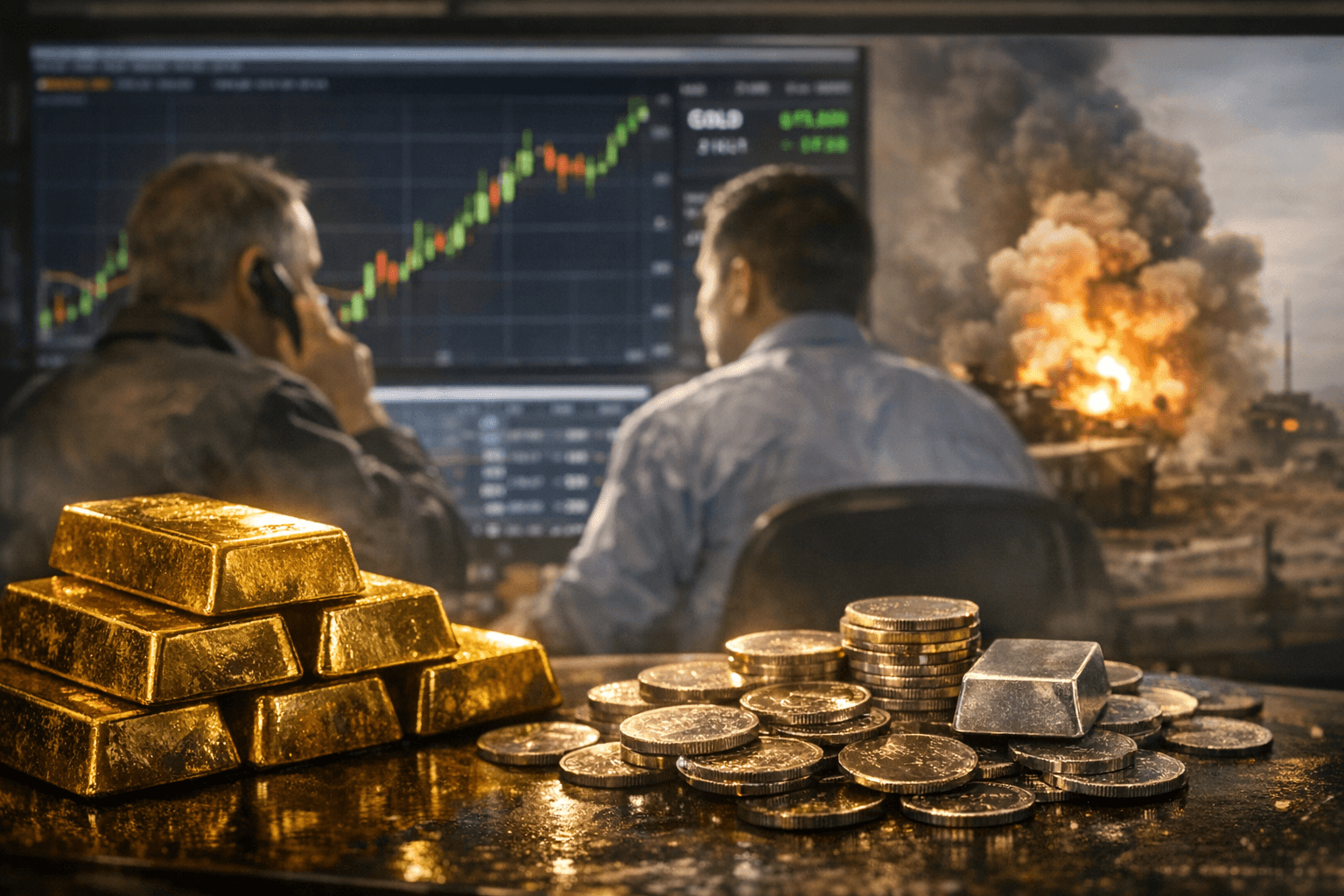
Despite the strong upward momentum, technical indicators flagged overbought conditions across the complex, and price action showed frequent intraday reversals. Silver displayed parabolic characteristics in some sessions, breaking toward $99 in early trading before pulling back; platinum and palladium likewise recorded volatile swings as traders cycled between profit taking and fresh bids. These dynamics increase the likelihood of sharp, timestamp-dependent swings that complicate benchmarking and intraday risk management.
For markets, the rally tightens the correlation between policy expectations, currency moves and commodity flows. Investors and portfolio managers will be watching PCE, jobless claims, central bank commentary and evolving geopolitical headlines for clues on sustainability. In the near term, metals appear set for a third consecutive weekly gain, but the combination of stretched technicals and data-driven policy risk points to a market that can move rapidly in either direction.
This article was produced by Prism’s automated news system from verified source data, official records, and press releases, then run through automated quality and moderation checks before publishing. The system is built and supervised by the people who set the standards it runs under. Read our full AI policy.
Did this article answer your question?