Preventive Maintenance Guide for Catamaran Yachts and Cruising Multihulls
Learn a practical preventive-maintenance routine for catamarans, covering hulls, engines, systems, rigging and seasonal work to keep your multihull seaworthy.
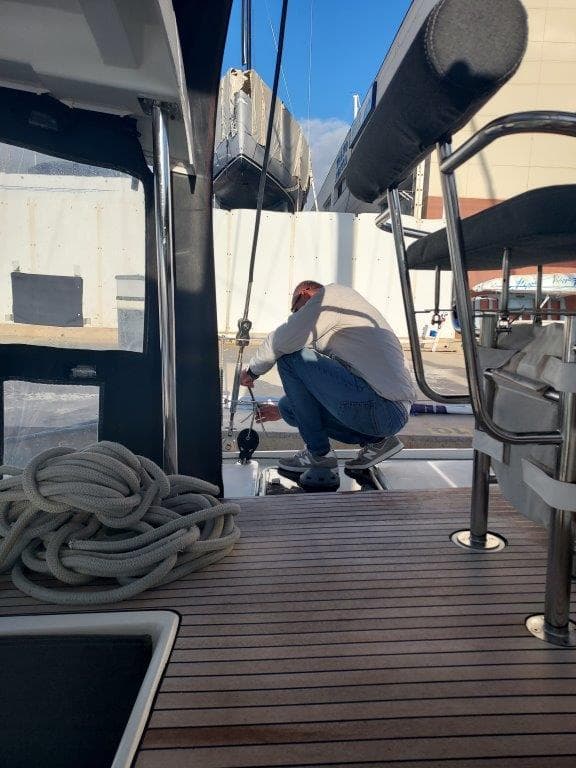
Keeping a catamaran ready for cruising is about predictable routines, early fixes and smart spares. This guide walks you through the checks and actions that make your cat purr instead of slap—practical steps you can schedule into weekend chores or pre-cruise checklists.
1. Hull and structural inspection
Inspect the gelcoat for cracks, crazing or blisters and address water intrusion early to prevent core damage. On GRP cats watch for soft spots and signs of delamination around high-load points and fittings; press and probe suspicious areas and mark them in your log. For aluminium hulls inspect welds and joints thoroughly—look for pitting, discoloured areas or flaking which signal early corrosion and address with a specialist where needed. Don’t forget bridgedeck clearance zones: clear growth and debris, and check for impact damage or deformation that can increase bridgedeck slamming in a seaway.
2. Through-hulls, seacocks and strainers
Make through-hull fittings and seacocks part of your routine inspection list; operate each seacock quarterly to ensure smooth action and check for corrosion at the interface. Clean and inspect raw water strainers before passages and replace gasket seals showing wear; a clogged strainer can lead to overheating or engine shutdown. Keep spares and basic repair materials for seacock emergencies readily accessible so you can isolate leaks quickly and avoid larger repairs. Label and diagram each fitting in your maintenance log so you or a crew member can act fast in an emergency.
3. Engine and propulsion care
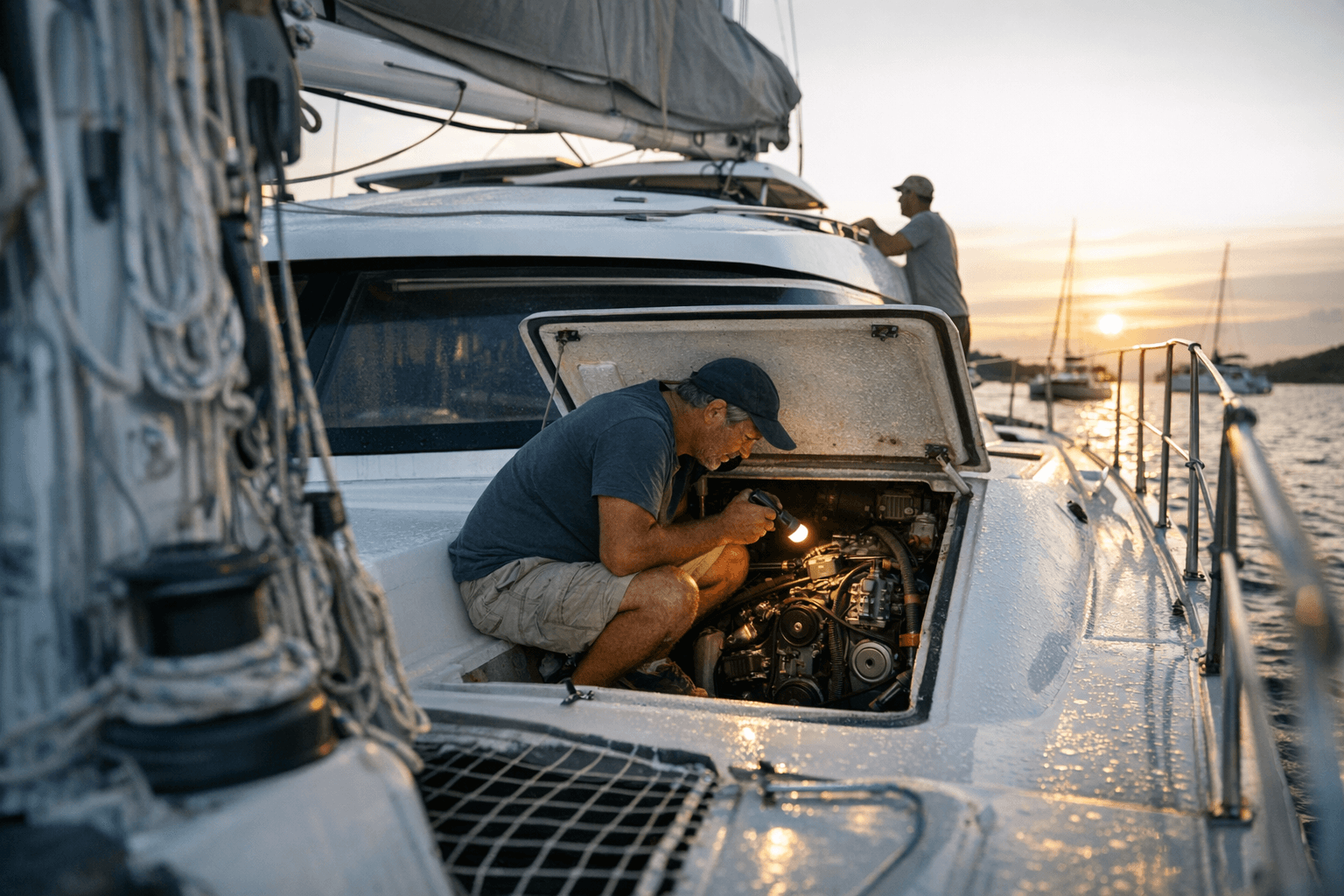
Follow your engine manufacturer’s service schedule precisely for oil and filter changes, and log dates and engine hours to predict future intervals instead of guessing. Inspect belts, hoses, coolant levels, raw water intake and fuel filters every season and before longer trips; replace any hose that is soft, cracked or bulging. Maintain separate, clearly labeled battery banks for starting and house loads, check electrolyte or state of charge regularly, and clean terminals to avoid hard-starting or unexpected electrical failures. Record propeller checks, shaft couplings and gear oil inspections—small vibration issues left unchecked can become major drivetrain repairs.
4. Electrical and electronics
Route and secure wiring to prevent chafe and strain; use proper clamps, drip loops and conduit where wires pass through bulkheads or decks. Apply dielectric grease to critical connectors and inspect enclosures for moisture intrusion; corrosion often starts at a wet connector you didn’t notice. Test navigation electronics (GPS, chartplotter), VHF, AIS and all bilge pumps and float switches before departure to ensure they trigger and power correctly. Keep spare fuses, connectors, and a small electrical tool kit onboard so you can make corrosion repairs or jumper fixes at sea.
5. Deck gear, sails and rigging
Inspect standing rigging terminals, turnbuckles, toggles and shackles for corrosion, thread wear and proper swaging; give particular attention to crevice corrosion on stainless fittings. Check sail condition for UV degradation, chafe and stitching wear; patch small tears immediately and use sail covers and lazy jacks to reduce UV stress in port. Service winches, blocks and furlers regularly—clean out salt, replace worn pawls or bearings and lubricate per manufacturer guidance so operations remain smooth under load. Walk the deck lines and halyards for chafe points and replace any lines showing core compression or exposed fibers.
6. Prevention, seasonal work and professional checks
Keep a maintenance log with dates, engine hours and parts changed; predictability comes from history, not guesswork, and your log becomes vital for resale or charter certification. Anti-fouling schedules vary by cruising ground and season—inspect bottom paint annually and reapply based on growth, performance loss or time elapsed rather than a fixed calendar if you move between warm and cold waters. Winterize cooling, HVAC and freshwater systems when laid up in cold climates and follow manufacturer winter procedures to avoid freeze damage. Plan professional surveys every few years, and schedule specialist checks after heavy-weather passages to catch fatigue, hairline cracks or stress damage you might miss on a casual inspection.
- Carry a compact spares kit: through-hull repair parts, seacock seal materials, pump impellers, essential fasteners and a basic electrical kit.
- Patch kit for sails and UV covers can save a cruise day; include shackles, spare blocks and chafe guards.
- Keep clear labeling and diagrams for battery banks, seacocks and critical valves so any crew member can act quickly.
Practical owner toolkit and habits
Small problems compound; fix minor leaks, loose fittings or worn lines promptly before they escalate into expensive or dangerous failures. Treat preventive maintenance as a rhythm—short, regular checks beat marathon weekends of catch-up. When you leave the dock with a clean hull, clipped-through seacocks, fresh checks, and organized spares, your cat will reward you with reliable passages and fewer surprises. Apply these routines, tune them to your cruising area, and you’ll keep your multihull safe, efficient and ready for the next tide.
Sources:
Know something we missed? Have a correction or additional information?
Submit a Tip