Prime Day ends, but Amazon deals on Apple and Oura Ring remain
Amazon’s sale may be over, but 200-plus deals, including Apple and Oura Ring, show how urgency can outlast the event itself.
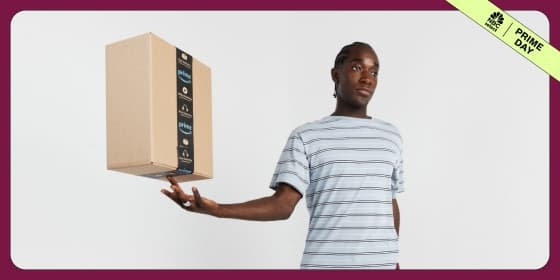
Prime Day is supposed to have a finish line, but Amazon kept extending the feeling of scarcity by leaving more than 200 deals live on the final day of its 2026 event. That matters because the company’s biggest shopping push was built around millions of member-exclusive offers across more than 35 categories, a structure that makes the boundary between a genuine bargain and a marketing timer harder to see.
Why the sale keeps breathing after the clock runs out
Amazon said Prime Day 2026 ran from June 23 through June 26 and that new offers kept rolling in through the event, including limited-time offers and Today’s Big Deals. It also said members saved billions across more than 35 product categories, while independent sellers, most of them small and medium-sized businesses, posted record sales and a record number of items sold. Those figures show how Prime Day now works less like a single-day promotion and more like a rolling retail campaign built to keep shoppers checking back.
That extended window is part of the psychology. A deal that remains available after the headline date can feel like a reprieve, but it can also train shoppers to treat urgency as a permanent feature of the marketplace. Amazon’s own pages leaned into that behavior with AI-powered deal alerts and virtual try-on, tools designed to surface discounts continuously rather than once and for all.
Which markdowns tend to survive the deadline
The discounts most likely to linger are usually the ones tied to large categories, broad inventory, or brands already used to promotional cycles. Amazon said Prime Day 2026 featured up to 40% off fashion, up to 30% off electronics, and up to 30% off beauty and personal care, while Amazon Haul was promoted at 50% off sitewide on Day 1, with exclusions. Those are category-wide ceilings, not promises on any single product, but they reveal where Amazon was willing to push price the hardest.
That is also where you tend to see the most durable post-event offers. Electronics, beauty, and fashion sit at the center of Amazon’s deal architecture because they can absorb steep headline discounts without clearing every item out of inventory. The fact that Amazon highlighted Apple, Bose, Le Creuset, and Samsung among the brands still available on the final day suggests that the best surviving deals were not random leftovers but part of a curated set meant to keep traffic high even as the sale wound down.
Apple and Oura Ring show how “still available” can be meaningful
Apple remained one of the featured names in Amazon’s late-stage deal coverage, which matters because high-demand electronics often see shorter, more selective markdowns than lower-cost impulse items. When a premium brand remains in the mix after the main promotion has technically peaked, the real question is not whether the sale exists, but whether the price is better than the brand’s usual discount pattern.
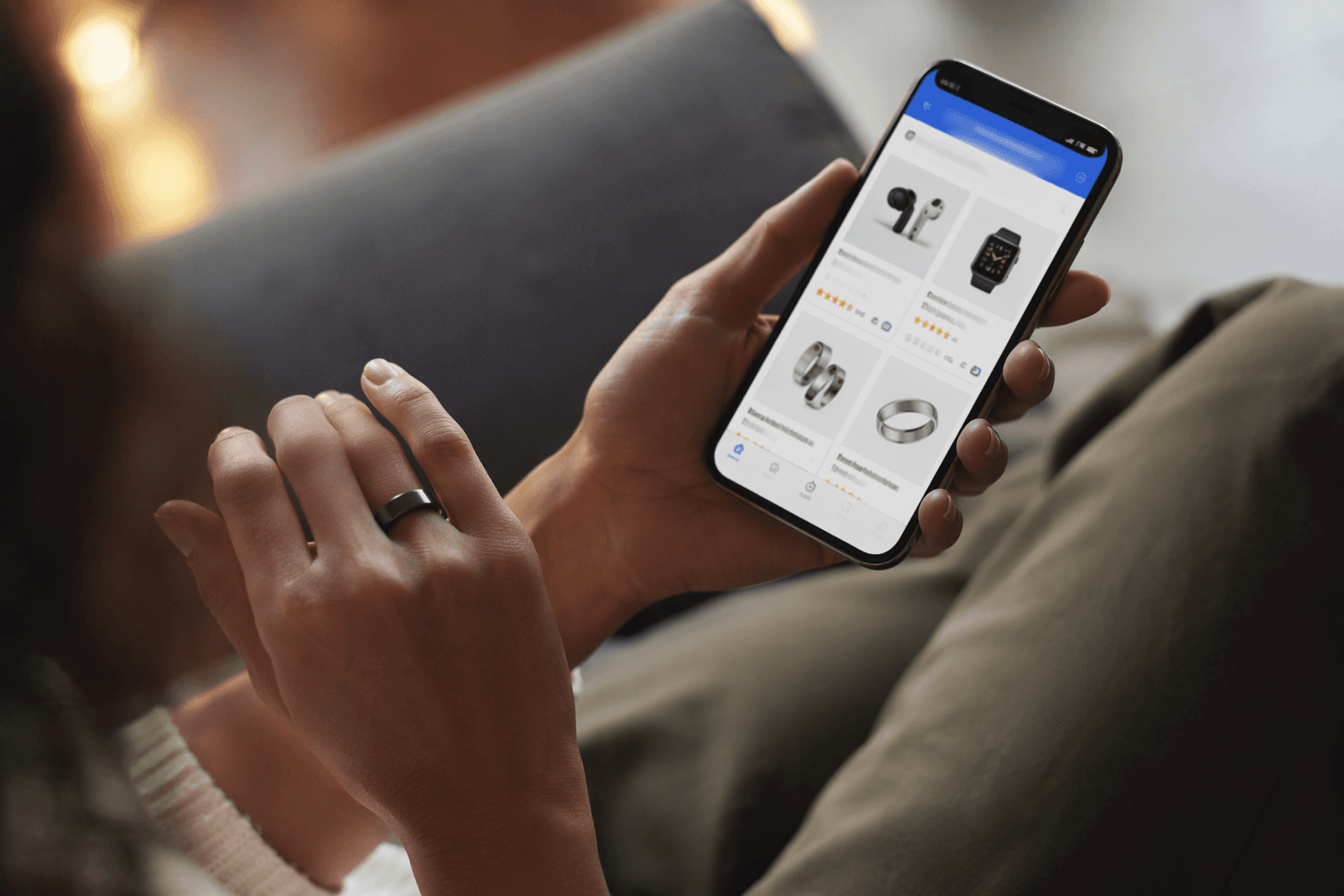
Oura Ring is an even sharper example. Amazon’s Prime Day pages included Oura Ring 4 and Oura Ring 5 listings, and some Oura Ring 4 models were marked with Prime Day Deal Exclusive pricing. One listing also showed FSA or HSA eligibility, which can change the economics for buyers who can use pre-tax health spending. In other words, the value is not just the sticker price. It is the combination of discount, eligibility, and whether the model you want is actually the one being promoted.
How to tell a real bargain from urgency theater
The easiest trap is mistaking a deadline for proof of savings. Amazon said its Prime Day 2026 sale included millions of deals across more than 35 categories, but the presence of a badge does not automatically make the offer exceptional. A better signal is whether the discount sits inside Amazon’s own published ranges, whether it is tagged as a limited-time offer or Today’s Big Deal, and whether the item still carries a special designation like Prime Day Deal Exclusive.
A quick checklist helps cut through the noise:

- Compare the current price with the item’s normal sale pattern, especially for electronics and premium wearables.
- Pay attention to wording such as “up to,” because Amazon used that phrase for fashion, electronics, and beauty, which means the biggest cut applies only to selected items.
- Treat “still available” as a merchandising tactic, not proof that the deal is unusually strong.
- Check whether any added benefit matters to you, such as FSA or HSA eligibility on an Oura Ring 4 listing.
- Ignore the countdown pressure unless the item is actually one you planned to buy at that price.
The broader lesson from Prime Day 2026 is that Amazon has turned the sale into a long-form attention event. Millions of deals, 200-plus offers still live on the final day, and a steady stream of alerts and special labels create the sense that something valuable is always about to disappear. The smartest response is not to rush, but to separate a real price cut from a sales system designed to make almost every discount feel urgent.
This article was produced by Prism’s automated news system from verified source data, official records, and press releases, then run through automated quality and moderation checks before publishing. The system is built and supervised by the people who set the standards it runs under. Read our full AI policy.
Know something we missed? Have a correction or additional information?
Submit a Tip