Saks exits bankruptcy as Exemplar Luxury Group, slashes debt and stores
Saks emerged from Chapter 11 as Exemplar Luxury Group, with 49 stores, nearly 75% less debt and a board reshaped by its new backers.
Saks Global emerged from Chapter 11 as Exemplar Luxury Group, shedding nearly 75% of its debt and emerging with 49 stores after cutting its luxury and off-price footprint. The restructuring wiped out old equity holders and left the company with a smaller, cleaner balance sheet to support a business built around Saks Fifth Avenue, Neiman Marcus and Bergdorf Goodman.
The company filed for Chapter 11 on Jan. 13 and Jan. 14 in the U.S. Bankruptcy Court for the Southern District of Texas before Judge Alfredo R. Pérez, with 113 affiliated debtors in the case. The court approved the plan of reorganization on June 5, and the effective date was June 26. The plan won support across the capital structure, with the overwhelming majority of participating creditors voting in favor.
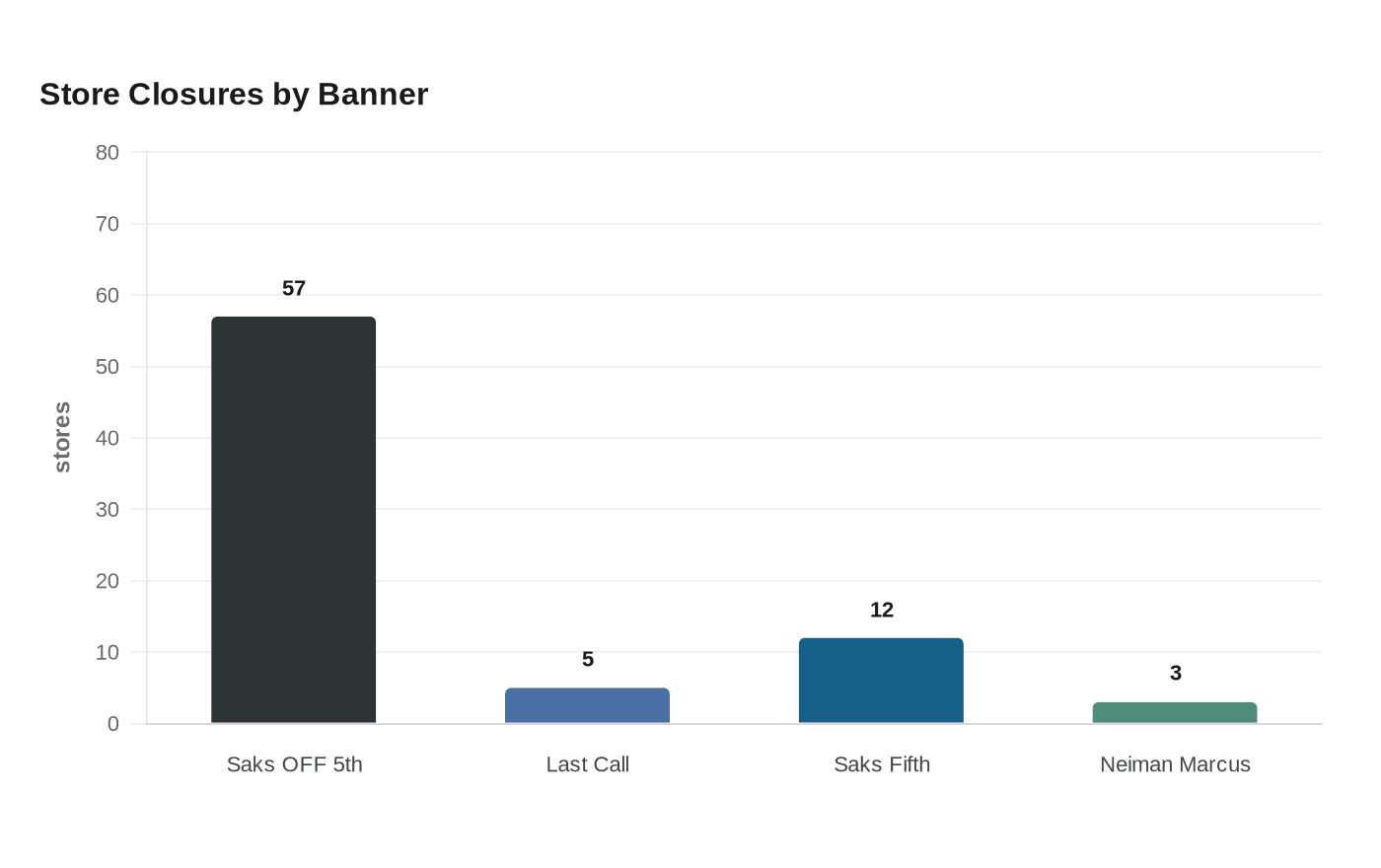
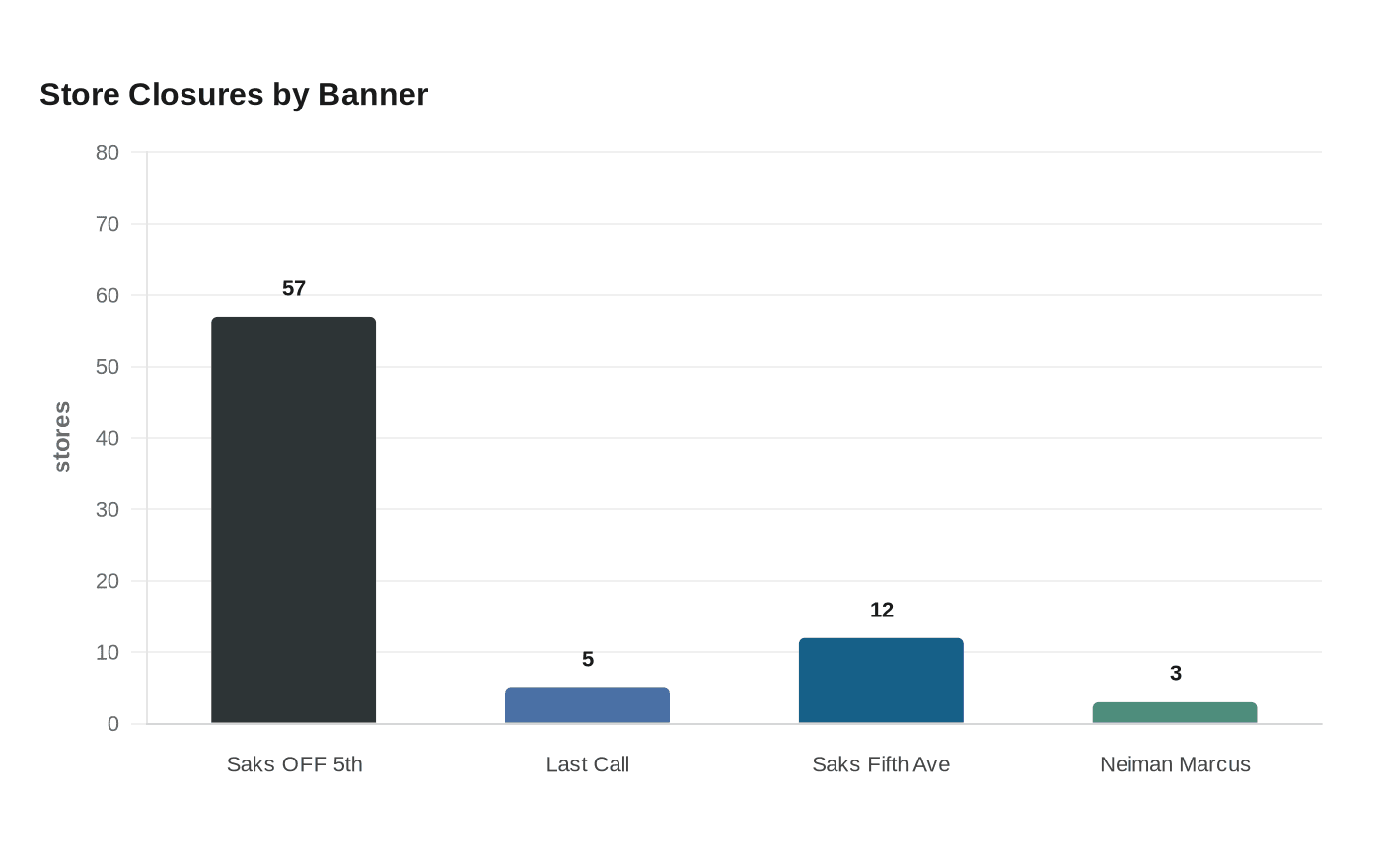
The company closed 62 off-price locations, including 57 Saks OFF 5th stores and all five Neiman Marcus Last Call stores. In March, it also shut 12 Saks Fifth Avenue stores and three Neiman Marcus locations. The remaining store base is centered on its three flagship luxury banners.
Exemplar Luxury Group is also changing the way it is governed. The reorganized board will include two representatives each from Pentwater Capital Management and Bracebridge Capital, the investment firms that backed Saks through the restructuring. Geoffroy van Raemdonck, the company’s chief executive, said the broad support from capital partners, brand partners and other stakeholders reflected confidence in the company’s future. Chief financial officer Brandy Richardson said Saks had already secured substantial cost savings through changes to its footprint, operations and organization.
The company is now targeting $9 billion in total gross merchandise value and double-digit adjusted EBITDA by fiscal 2030. The restructuring gives it liquidity to support operations and future investment.
This article was produced by Prism’s automated news system from verified source data, official records, and press releases, then run through automated quality and moderation checks before publishing. The system is built and supervised by the people who set the standards it runs under. Read our full AI policy.
Know something we missed? Have a correction or additional information?
Submit a Tip