Prime Day tests U.S. consumers as spending shifts to essentials
Prime Day is becoming a stress test for inflation-hit shoppers, with baskets shifting toward toilet paper, backpacks and other basics instead of big-ticket splurges.
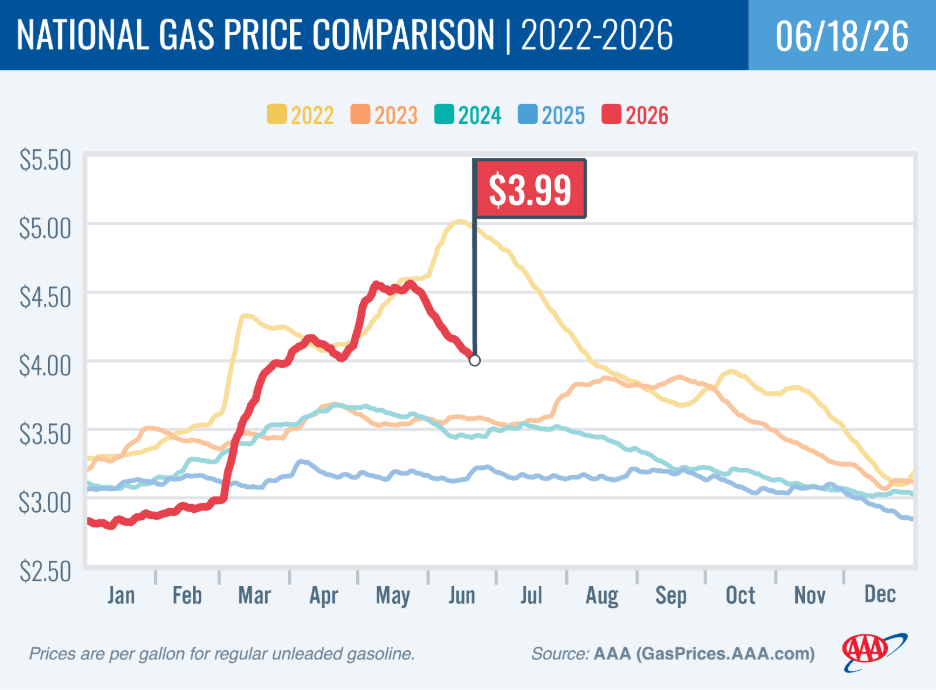
Amazon’s four-day Prime Day will test how much spending power U.S. households still have after months of inflation pressure and higher gasoline costs, and the early signals point to a more cautious shopper. The sale is increasingly centered on essentials, with analysts watching whether consumers are trading down, delaying purchases or leaning harder on deals to cover household basics.
Prime Day runs June 23 through June 26 and is open only to Prime members, with deals across more than 35 categories. Amazon is highlighting groceries, household goods, travel, fashion, beauty and school supplies, and says early deals and limited-time offers are already live. The company is also pushing Alexa for Shopping, an AI tool that can build a personalized Deals Guide and set deal alerts, part of Amazon’s effort to keep more purchases inside its own ecosystem.
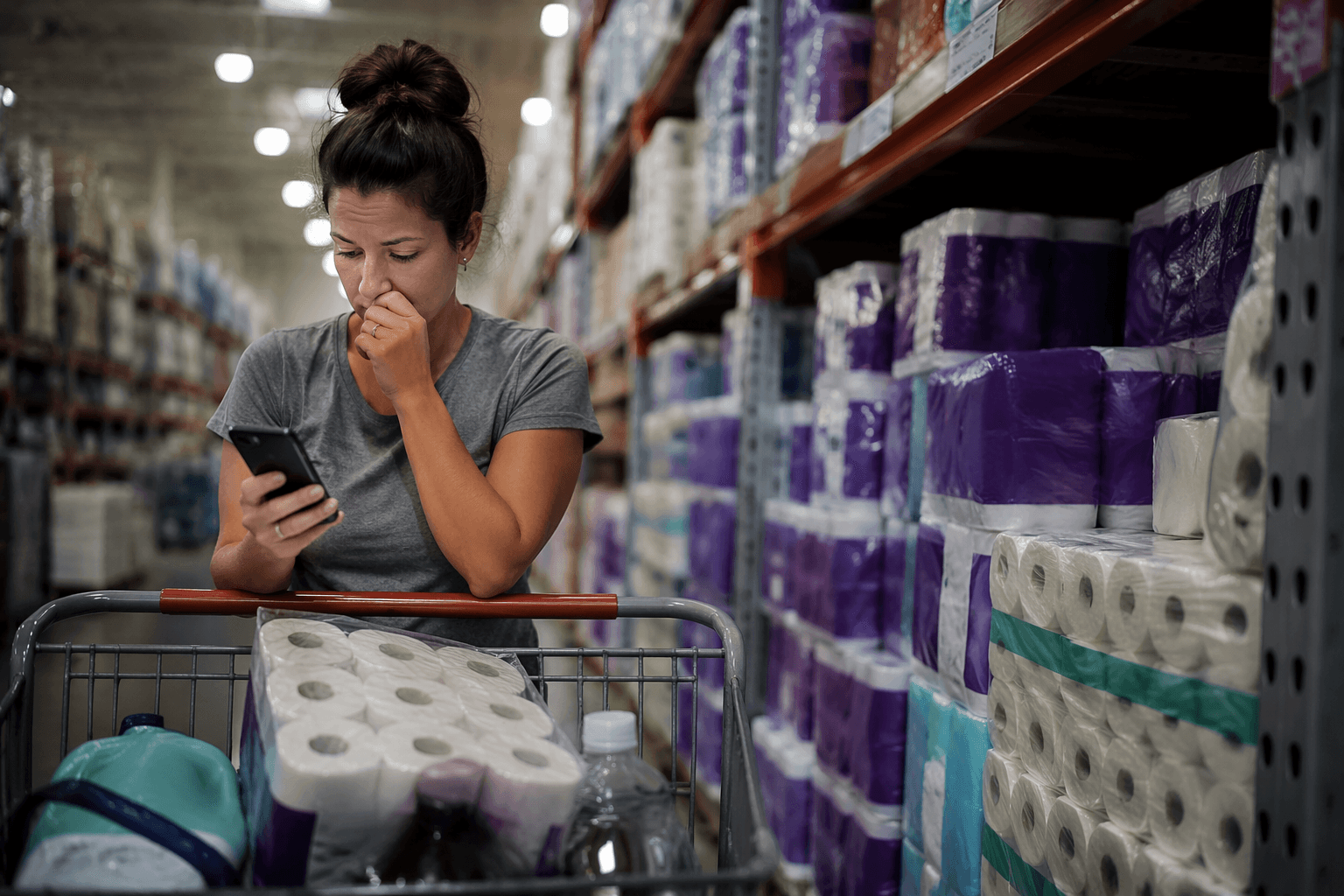
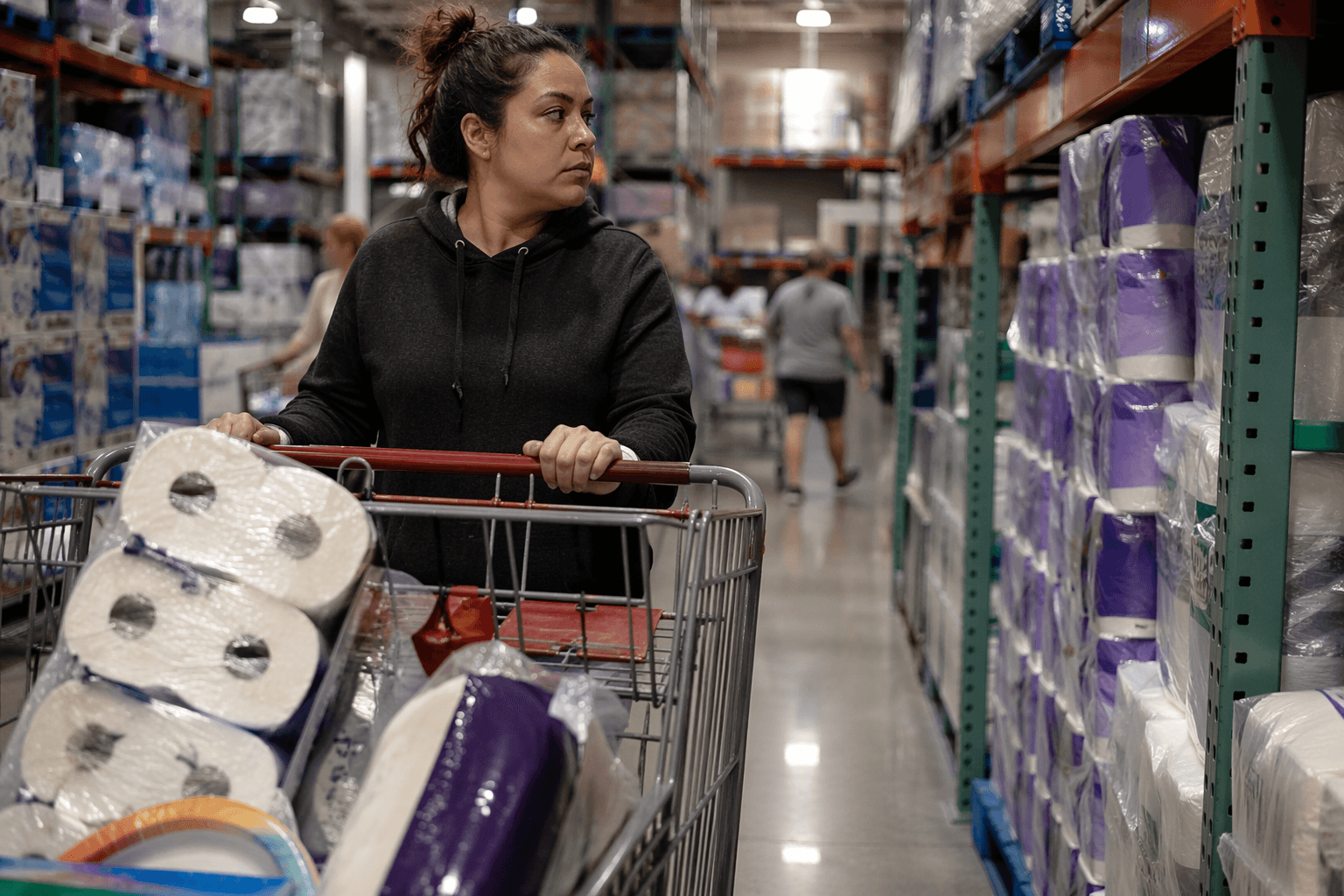
That emphasis matters because the basket looks different from the carefree discount spree Amazon once sold. Fresh food and essentials are becoming a larger share of Prime members’ spending, and a small-business lender said many shoppers do not have cash for big-ticket purchases, instead using sales to stock up on items such as toilet paper and garbage bags. The pattern fits a broader consumer mood in which households remain active, but are far more selective about what they buy.
The numbers from last year show how big that behavior can be. Adobe said Prime Day 2025 drove $24.1 billion in U.S. e-commerce spending across retailers, with mobile accounting for 53.2% of online sales. School supplies jumped 175% and dorm essentials rose 84%, underscoring how Prime Day has become a back-to-school moment as much as a summer sales event.
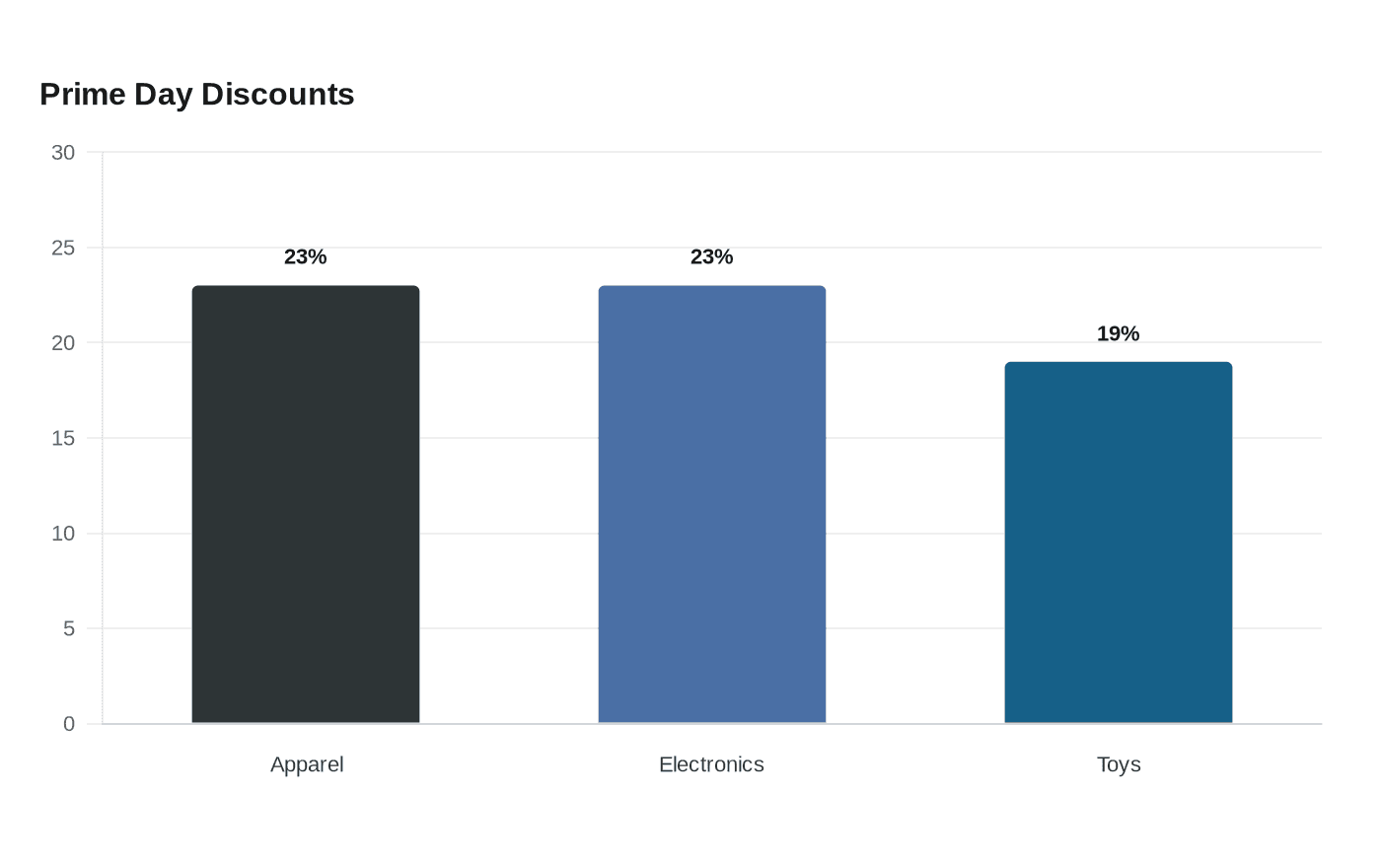
For 2026, Adobe expects average discounts of about 23% on apparel, 23% on electronics and 19% on toys, roughly in line with last year. Its category watch list includes children’s apparel, lunch boxes, backpacks, refrigerators, power tools and vacuum cleaners, a mix that leans heavily toward practical purchases rather than discretionary splurges. Bank of America estimates Prime Day 2026 will generate about $21.6 billion in gross merchandise volume over four days, including about $11.6 billion from first-party sales and $10 billion from third-party sales, or roughly 5% growth.
Amazon launched the first Prime Day on July 15, 2015, to celebrate Prime members on its 20th birthday. What began as a 24-hour sale in nine countries has become one of the company’s biggest retail fixtures, and this year’s June timing could widen its economic reading by catching summer travel, July Fourth stock-ups and early school shopping all at once.
This article was produced by Prism’s automated news system from verified source data, official records, and press releases, then run through automated quality and moderation checks before publishing. The system is built and supervised by the people who set the standards it runs under. Read our full AI policy.
Know something we missed? Have a correction or additional information?
Submit a Tip