Princeton council restores winter quarter averaging for sewer bills
Princeton reinstated winter quarter averaging for residential sewer bills. The change may lower charges for some residents after nearly $1 million in refunds last year.

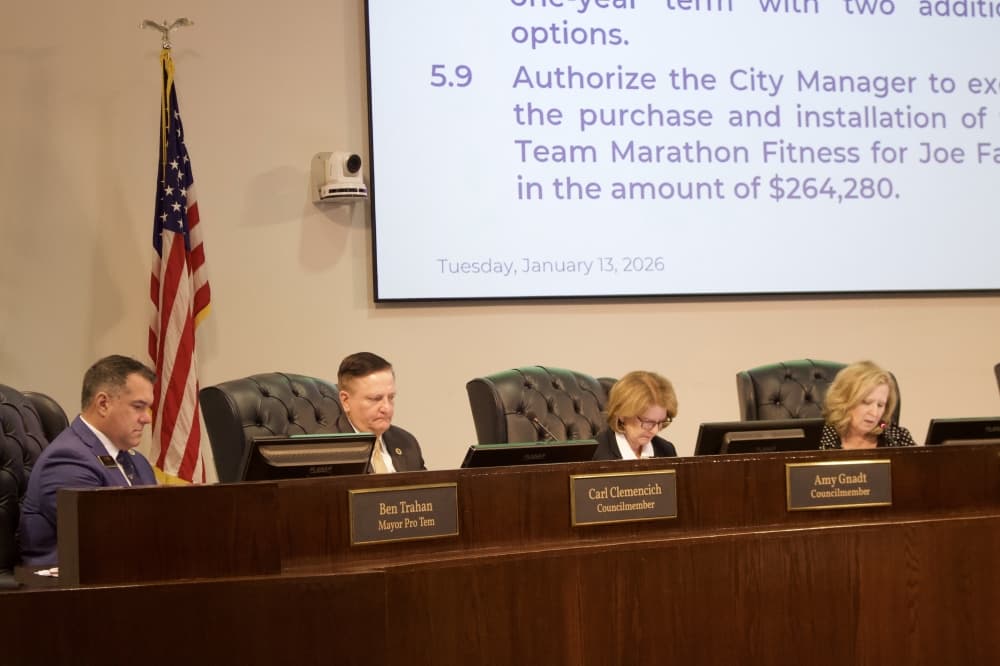
At its Jan. 12 meeting, the Princeton City Council moved to reinstate winter quarter averaging, a method for calculating residential sewer bills that city leaders say will alter how usage is averaged for billing purposes. The council repealed its September 2024 repeal and adopted new ordinance language to return winter quarter averaging, reversing earlier council action and restoring the billing approach first approved in April 2023.
Winter quarter averaging was initially adopted in April 2023 but never put into practice. Council members removed the ordinance in September 2024 amid concerns over billing accuracy and implementation. Those concerns culminated in significant corrective action last year, when the city refunded nearly $1 million to residential customers after auditing utility charges and addressing billing problems.
The Jan. 12 action replaced the prior repeal with updated ordinance language intended to bring winter quarter averaging back into the city’s utility calculations. Council documents state the change may reduce sewer bills for some residents by recalculating residential wastewater charges on a different consumption baseline. The reinstatement is aimed at resolving the billing inconsistency that prompted last year’s refunds and restoring a predictable methodology for residential sewer charges.
For Princeton homeowners and renters, the immediate impact will be on upcoming sewer bills and how monthly charges reflect household water use. The shift back to winter quarter averaging could be most noticeable for households whose water use varies seasonally. City utility customers should review their statements closely as billing cycles adjust to the reinstated method and watch for official notices from city staff about precise timing and implementation details.
The council’s move also carries administrative consequences. City staff will need to update billing systems and ordinance references, and utility accounting will have to reconcile prior adjustments with future calculations. The direct fiscal effects for the city budget depend on how many accounts see reduced charges versus prior billing levels, and whether further reconciliations are required.
Princeton residents will want to monitor communications from the city for implementation dates and any guidance on how the change affects individual accounts. The council’s decision closes a chapter of uncertainty that led to substantial refunds and signals a return to a billing method the city initially approved in 2023; the next months will determine how smoothly the shift is translated into customer bills.
Sources:
Know something we missed? Have a correction or additional information?
Submit a Tip