Prison Yoga Project programs linked to improved well-being and rehabilitation outcomes
Prison Yoga Project programs are linked to improved mental well-being and rehabilitation outcomes, offering trauma-informed yoga and facilitator training inside jails and prisons.
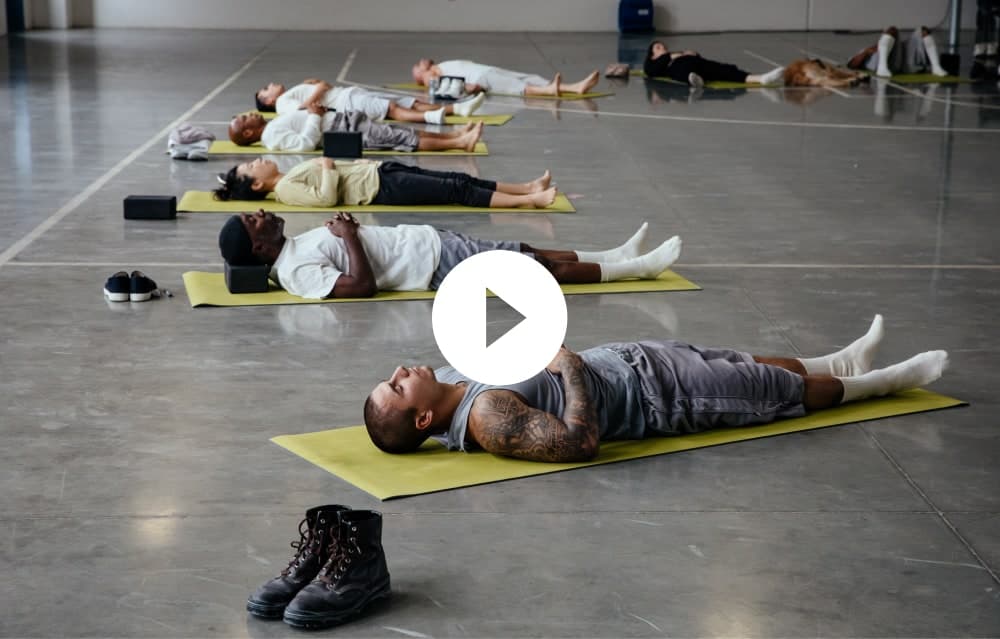
Prison Yoga Project programs have been linked to measurable improvements in participant well-being and rehabilitation outcomes, strengthening the case for trauma-informed yoga and mindfulness inside correctional settings. For yoga teachers, program coordinators, and community advocates, the findings spotlight practical ways to support people impacted by incarceration and to adapt practice for high-needs environments.
Prison Yoga Project is a U.S.-based nonprofit that provides trauma-informed yoga and mindfulness programming inside jails and prisons and runs facilitator training to support rehabilitation and re-entry. Programming is built around accessible asana, breathwork, and somatic mindfulness, with an emphasis on safety, consent, and emotional regulation. Facilitator training prepares yoga teachers and peer leaders to deliver classes and to respond to trauma dynamics common in correctional populations.
Program evaluations and research linked to Prison Yoga Project interventions report improvements in mental health and behavioral measures among participants. Reports show reduced symptoms of anxiety and depression, stronger self-regulation, and gains that program leaders connect to better engagement with rehabilitative services. Correctional staff who have observed classes report changes in classroom climate and participant behavior that align with these outcomes. Those effects contribute to a broader rehabilitation framework that emphasizes skill-building, coping strategies, and continuity of care.
For the yoga community, the practical value is concrete. Trauma-informed techniques such as invitational language, choices for movement and stillness, and emphasis on breath regulation can be applied in community classes to make practice more inclusive. Yoga teachers interested in correctional work should pursue facilitator training that addresses safety, boundary-setting, institutional protocols, and cultural humility. Building partnerships with correctional administrators, re-entry programs, and local nonprofits is essential to secure access and to align programming with existing rehabilitative services.

Community relevance extends beyond incarcerated individuals. Family members, returning citizens, and correctional staff can experience ripple effects when practices that reduce stress and improve emotional regulation are introduced into institutional settings. Facilitator training also creates pathways for peer leadership and employment skills that support transition out of custody.
Prison Yoga Project’s evidence-backed approach underscores a practical pathway for yoga professionals who want to bring practice into high-impact social programs. As the field continues to document outcomes, expect more training opportunities and institutional interest in trauma-informed yoga as part of rehabilitation strategies. For teachers and studios, integrating these practices and exploring facilitator certification can be a direct way to expand community impact and support people at a pivotal point in their recovery and re-entry.
Know something we missed? Have a correction or additional information?
Submit a Tip